
 Business License

The Power of One: Why Custom Single-Piece Carbide Dies Are a Game-Changer for Manufacturers
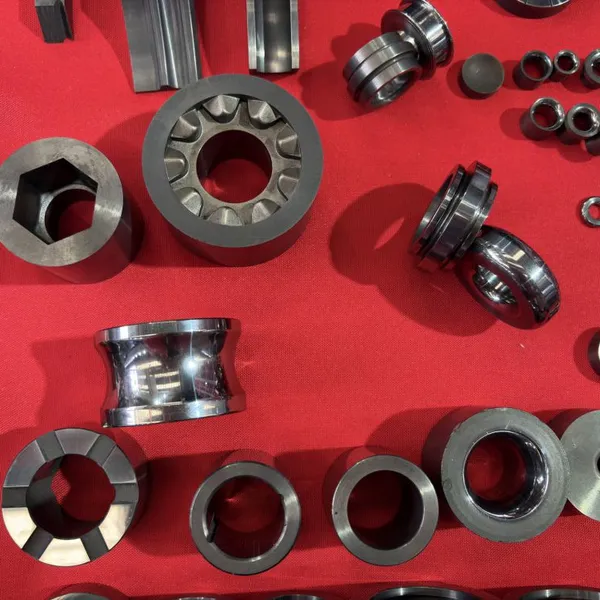
In the world of modern manufacturing, there is a persistent myth that cost-effectiveness only comes from mass production. Tooling engineers and production managers often assume that ordering a single, custom piece of tooling—especially from a high-performance material like tungsten carbide—is prohibitively expensive and time-consuming. However, this perception is rapidly changing. As industries evolve toward greater customization, rapid prototyping, and specialized low-volume production, the demand for single-piece custom carbide dies is surging. This blog explores why investing in a custom, one-off carbide die is not just a necessity, but a strategic advantage.
The Unrivaled Properties of Tungsten Carbide
Before diving into the benefits of customization, it’s essential to understand why carbide is the material of choice for demanding tooling applications. Tungsten carbide is a composite material, typically made by sintering tungsten carbide powder with a metal binder like cobalt. The result is a material that is incredibly hard—second only to diamond—and possesses exceptional compressive strength.
In a die application, whether it’s for cold heading, wire drawing, powder compaction, or stamping, wear resistance is the ultimate currency. Carbide dies outlast tool steel dies by a factor of ten to twenty times in many applications. They maintain their dimensional integrity under extreme pressure and heat, ensuring that the parts they produce remain within tight tolerances for millions of cycles. For a manufacturer, this translates to less downtime, fewer tool changes, and a consistently higher quality of the final product.
Why Choose a Single-Piece Custom Die?
The phrase "one-piece custom" might conjure images of a costly, artisanal process. In reality, modern CNC grinding and EDM (Electrical Discharge Machining) technologies have made single-piece carbide manufacturing more accessible and precise than ever. Here’s why you should consider it:
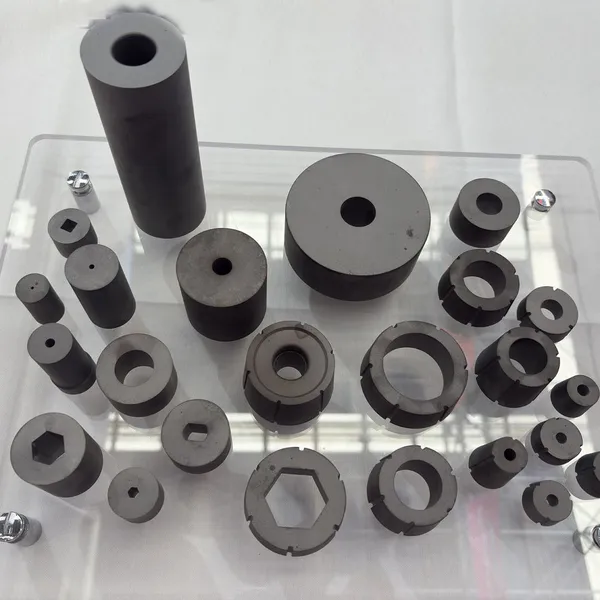
Precision Fit for Complex Geometries: Off-the-shelf dies are designed for general purposes. If your part has a unique profile, an undercut, or requires a specific radius, a standard die simply won't work. A custom single-piece die is engineered to your exact print. This is crucial for industries like medical device manufacturing or aerospace, where a fraction of a millimeter can mean the difference between success and failure.
Rapid Prototyping and Bridge Tooling: Before committing to a multi-cavity, high-volume production tool, engineers need to validate the design. A single-piece custom carbide die allows you to test the material flow, part ejection, and dimensional accuracy in a real-world setting. It acts as a "bridge" tool, providing production-grade parts for pilot runs or clinical trials without the lead time of a full-scale die set.
Cost-Effective for Low-Volume Production: While the per-unit cost of a custom die is higher than a standard one, the total cost of ownership tells a different story. For a production run of 5,000 to 50,000 parts, a single custom carbide die eliminates the need for multiple replacements of softer steel dies. It also removes the risk of poor part quality due to an ill-fitting standard tool.
The Process of Ordering a Single Piece
The journey of ordering a single custom carbide die is simpler than many assume. It typically involves four key steps:
Consultation and Design Review: You share your part drawing, tolerance requirements, and production volume. The tooling engineer will review the design for manufacturability, suggesting tweaks to optimize the die’s life and performance.
Material Selection: Not all carbides are created equal. The binder content (cobalt percentage) and grain size can be tailored. For a single die, the manufacturer can select the perfect grade for your specific application—whether you need maximum wear resistance for abrasive powders or higher toughness for impact-heavy stamping.
Precision Machining: The die is machined using CNC grinding and wire EDM. This ensures the intricate profile and mirror-like surface finish required for smooth part ejection.
Quality Assurance: A single-piece order receives the same rigorous inspection as a large batch. You will receive a detailed inspection report with dimensional data, ensuring the die meets your specifications.
In an era where flexibility and speed-to-market are paramount, the single-piece custom carbide die is a powerful tool in a manufacturer's arsenal. It bridges the gap between prototyping and mass production, offering the wear resistance of carbide without the commitment of a full-scale tooling project.
Don't let the myth of high cost deter you. By partnering with a specialized carbide die manufacturer, you can access precision tooling that solves specific problems, extends tool life, and ensures your product meets the highest standards. Whether you are refining a new design or producing a specialized batch, one custom carbide die can be the key to unlocking efficiency and quality in your operation.
Recently Posted
-
Carbide Punch Pins in Progressive Die Piercing of Sheet Metal
November 18, 20261. Progressive Die Punch Pin Loads at 300 Strokes a Minute A progressive die punch pin does not do one job. It does the job of its Read More
-
How to Order Custom Carbide Punch Pins From a Drawing
November 17, 20261. Why a Punch Pin Drawing Carries More Than a Part Number A part number describes a pin that already exists. Beyond the standard
Read More -
Solid Carbide Punch Pin vs Coated Punch: Which Holds Diameter Longer
November 17, 20261. Why a Solid Carbide Punch Pin and a Coated Punch Are Compared Wrong A solid carbide punch pin is usually compared with a coated Read More
-
Carbide Punch Pin vs HSS Punch: Wear Life per 100,000 Strokes
November 17, 20261. Why Punch Cost per Stroke Is a Better Question Than Pins per Year A terminal stamper a while back asked us to quote a punch pin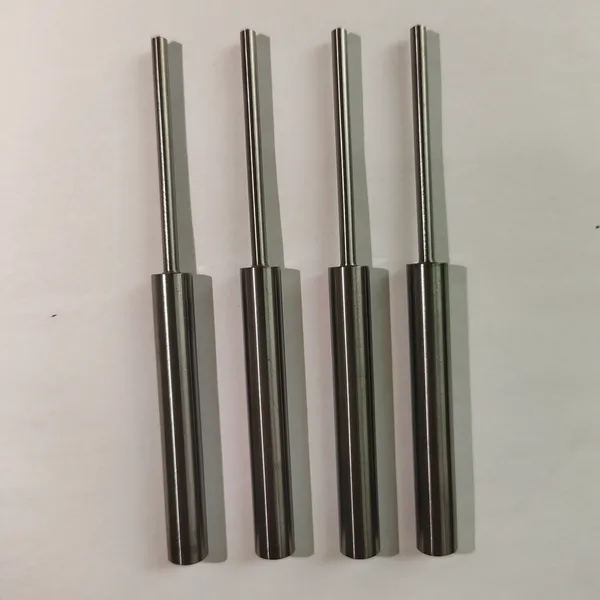 Read More

Contact Us
Recommended Products
-
 Non-Magnetic Nickel-Bonded Cemented Carbide Molds, Submicron Grain, Mirror Polished CavitiesNegotiableMOQ: 1 Blade
-
Non-Magnetic Carbide Grades for Specialized MoldsNegotiableMOQ: 1 Unit
-
Tungsten Carbide Punches HRA 90.5 Co 10% +/-0.002 mm Tolerance Mirror-Polished for Stamping DiesNegotiableMOQ: 1 Unit
-
Custom Carbide Strips and Round Blanks With 0.05mm Flatness for Machine ToolingNegotiableMOQ: 1 Unit
-
Custom Cemented Carbide Blanks ISO Standard Compliant With Ra 0.4 Surface FinishNegotiableMOQ: 1 Unit
-
Precision Ground Carbide Inserts and Blanks – Custom Grades and Tolerances up to ±0.01mmNegotiableMOQ: 1 Unit
-
Ground Carbide Rods Ø8mm x 200mm, h6 Tolerance, Ra 0.4μm, HRA 91.0NegotiableMOQ: 10 Units
-
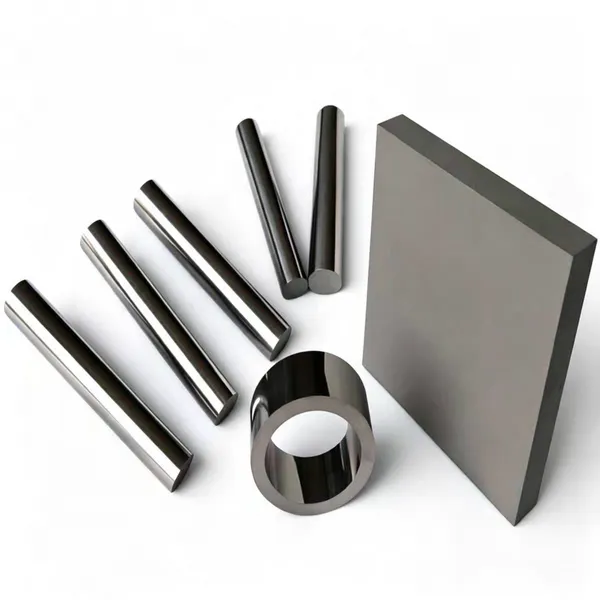
Polished Tungsten Carbide Hollow Rods for Precision Machining ApplicationsNegotiableMOQ: 1 Piece
-
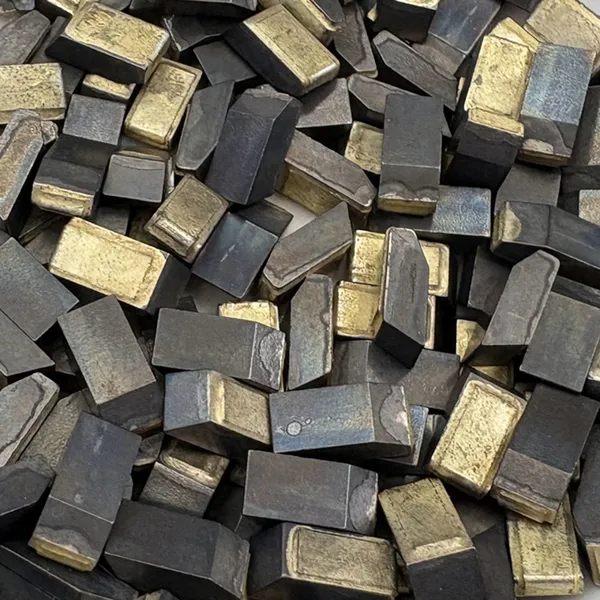
Tungsten Carbide Saw Tips for TCT Circular Saw Blades and Woodworking CuttingNegotiableMOQ: 100 Pieces
-
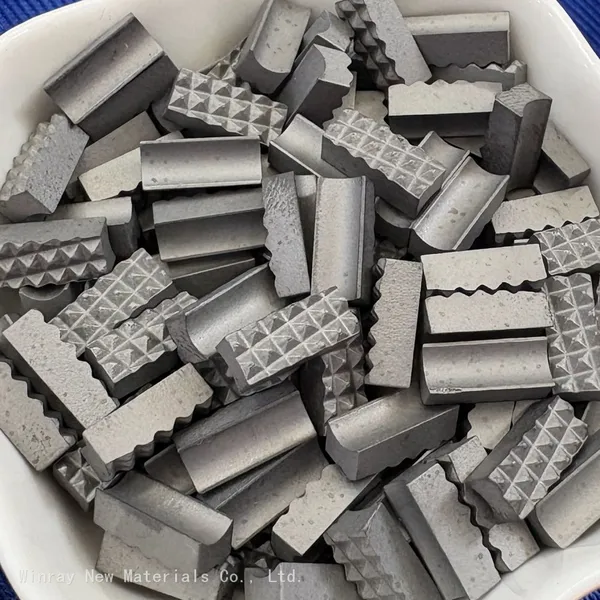
Tungsten Carbide Gripper Inserts for Oilfield Slip Assemblies – YG8/YG6/K10 Grades, High Hardness & Wear ResistanceNegotiableMOQ: 5 Kilograms

-
Precision Carbide Sleeves OD 5-50 mm ID 2-30 mm Concentricity Max 0.005 mm Ra 0.2 um CNC GroundNegotiableMOQ: 1 Unit
-
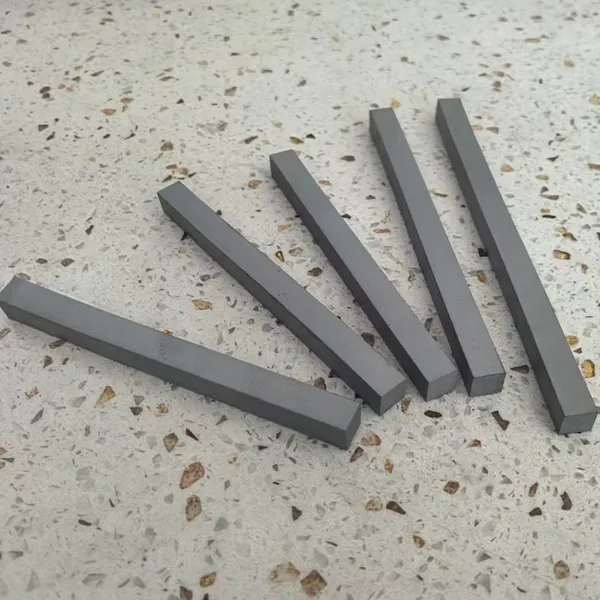
Submicron Tungsten Carbide Strips 2x8x330mm Ground Tolerance ±0.02mm HRA 92.0NegotiableMOQ: 10 Pieces
-
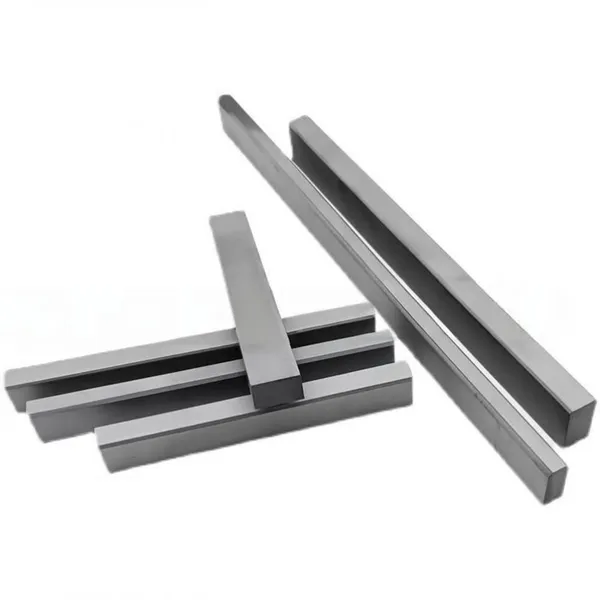
VSI Crusher Carbide Strips and Bars for Machine Tool Plane Blades Wood Cutting ToolsNegotiableMOQ: 10 Units
-
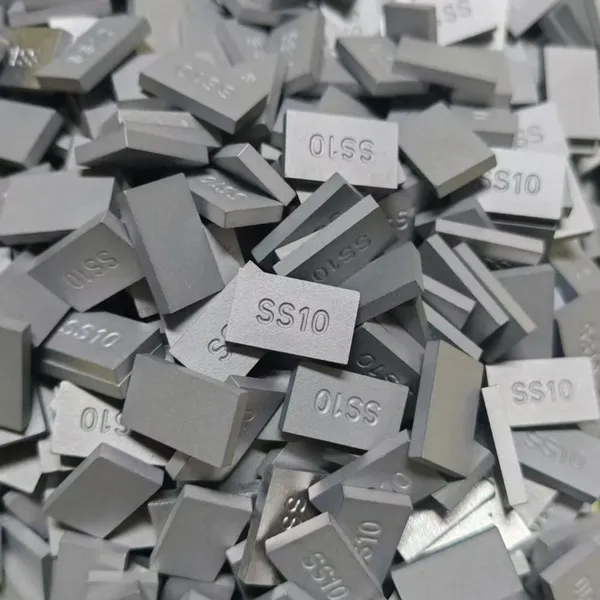
Yg8 Standard Tungsten Carbide Tips Ss10 for Stone Cutting ToolsNegotiableMOQ: 5 Kilograms
-
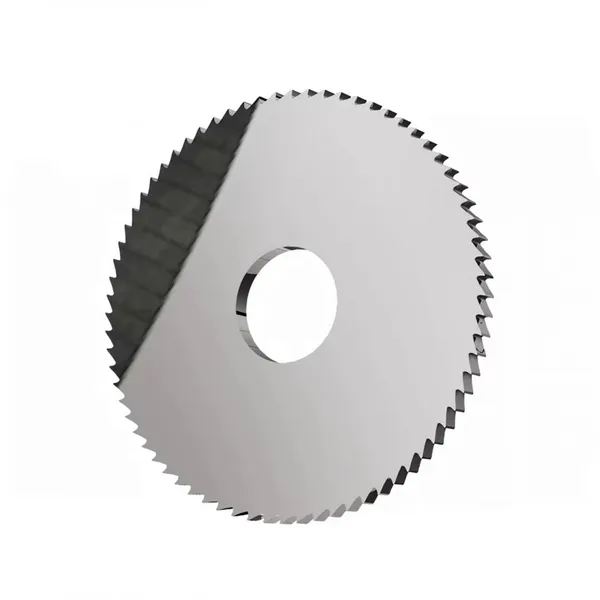
Tungsten Carbide Circular Saw Blade for Slitting Slotting Flat Tooth Saw Blades Cutting Metal Stainless Steel Aluminium Custom OEM Factory Bulk PriceNegotiableMOQ: 1 Blade
-
Tungsten Carbide Woodworking Blades – Replacement Cutting Blades for Wood Carving, Trimming & Planing ToolsNegotiableMOQ: 1 Box
-
Custom Carbide Wear Components From Samples and Prototypes to Volume Production WC-Co SupplierNegotiableMOQ: 10 Blades
-
Custom Tungsten Carbide Wear Parts Non-Standard Shapes Produced to Customer Drawings WC-CoNegotiableMOQ: 10 Blades
-
Tungsten Carbide Strips and Plates PYG7 Submicron Grade M10 Ultra High Strength Custom SizesNegotiableMOQ: 10 Blades
-
Tungsten Carbide Strips and Plates PK08 Grade K30 High Strength Impact Resistant Custom SizesNegotiableMOQ: 10 Blades