
 Business License

Scraper Wear and Resharpening Interval on High Speed Tube Lines
1. What Scraper Blade Wear Actually Consumes
A scarfing blade removes the weld bead at a temperature where the metal is still soft, and it pays for that by wearing faster than any other cutting tool on the line. The wear is not uniform and it is not gradual in the way a milling cutter's wear is.
The scraper blade wear interval is set by the volume of bead it has removed rather than by the hours it has run. A line that spends a shift at low speed on heavy wall and a shift at full speed on thin wall will wear the same blade very differently, and a time-based schedule hides that.
That single change, moving the scraper blade wear interval from hours to kilometres, is what makes a blade change predictable. It also makes the comparison between two blade geometries or two setup conditions possible at all.
This article covers what wears the edge, how to measure the interval in metres of tube, what resharpening has to restore, and how a blade life tube mill record turns individual changes into a schedule.
2. Measuring the Scraper Blade Wear Interval in Kilometres
Every scarfing head has a length counter on the line, usually the same one that drives the cut-off, and Winray New Materials asks for a copy of that log with the second blade order. Logging the counter at each blade change is the whole system, and almost no mill does it at the start.
The counter gives kilometres per edge. Divided into the cost of the blade, the regrind and the change downtime, it gives a cost per kilometre that can be compared across suppliers, and that comparison is where the money is.
| Record | How to capture it | What it answers |
|---|---|---|
| Line length counter at blade change | Read before the head is opened | Kilometres per edge |
| Wall thickness and outside diameter | From the run sheet | Bead volume removed |
| Line speed | Average for the run | Whether the edge failed hot or cold |
| Residual burr height | Gauge on the first tube after the change | Whether the blade was pulled early or late |
| Downshift time | From the stoppage log | Cost of the change, not the blade |
Wall thickness normalises the scraper blade wear interval record. On this family of blades, kilometres of life multiplied by wall thickness in millimetres lands near 210 across the useful range, which is what lets a mill compare a run on 1.2 mm tube with one on 2.0 mm.
Without that normalisation the numbers look random, and a supervisor concludes that blade life tube mill performance is unpredictable when the record is simply missing the variable that explains it.
3. Four Wear Mechanisms on a Scraper Blade Edge
Four mechanisms act on the same edge at the same time, and each one leaves a different signature on the wear land. Reading the land tells you which one is running ahead of the others.
| Mechanism | Signature | What drives it |
|---|---|---|
| Abrasive wear on the rake face | Even land, polished appearance | Oxide scale on the bead |
| Attrition at temperature | Rounded edge, no sharp land | Bead temperature above 900 degrees C |
| Chipping at entry | Small craters along the edge line | Interrupted cut, misalignment at the seam |
| Thermal cracking | Fine cracks across the tip | Coolant interrupted while hot |
Abrasive wear is the normal one and it is the mechanism a wear interval should be built around. Oxide scale on a hot bead is harder than the carbide matrix that holds the grains, so the binder wears first and the grains fall out.
Attrition is what a mill sees when it pushes line speed without adjusting the coolant. The edge rounds rather than flats, the scarf widens, and the burr that was cut clean starts to be pushed rather than sheared.
Thermal cracking is the failure that ends a blade early and looks like a material fault. A blade that is pulled hot and quenched by a coolant jet develops cracks across the tip, and the next run breaks a corner off along one of them.
4. Reading the Tube Mill Before the Blade Fails
A dull scarfing blade announces itself in four places before the burr goes out of specification. Watching those four costs a minute per coil and removes most unplanned blade changes.
| Signal | Normal | Change that means the edge is going |
|---|---|---|
| Scarf width on the tube | Bead width plus 0.2 mm | Widening by more than 0.3 mm |
| Head load meter | Steady through the coil | Rise of 10 to 15 percent |
| Scarf face appearance | Bright, even, fine striations | Dull grey with a torn edge |
| Residual burr height | Under 0.05 mm | Above 0.08 mm on the sample |
The load meter is the earliest of the four and the least used. A worn edge rubs rather than cuts, the head pushes harder to hold position, and the meter climbs a few percent before the scarf face shows anything.
The scarf width is the most reliable. A blade that has lost 0.1 mm of tip height cuts a scarf about 0.2 mm wider because the edge contact moves up the bead profile, and that measurement needs no instrument beyond a rule on the sample.
Burr height is the last signal and the one that matters to the customer, so treating it as the trigger means the line has already shipped some out-of-spec tube. It belongs on the record as confirmation rather than as the alarm.
5. Burr Scraper Resharpening: What the Grind Has to Restore
Burr scraper resharpening is a rake face operation rather than a regrinding of the whole tip, and treating it as the second is how a blade loses two of its six lives. The wear land sits on the rake face, so removing a controlled amount from that face restores the edge without changing the clearance angle behind it.
The grind removes 0.1 to 0.15 mm, which is enough to get past the wear land and not enough to shorten the tip more than necessary. Grinding the flank instead restores the edge and changes the clearance, which alters the interference the setup was built around.
| Grinding step | Setting | Why |
|---|---|---|
| Wheel | Diamond, 320 to 400 grit | Carbide needs diamond, finer grit for edge quality |
| Depth per pass | 0.005 to 0.01 mm | Deeper passes chip the edge being produced |
| Total removal | 0.1 to 0.15 mm | Past the wear land, minimum tip loss |
| Edge angle tolerance | Plus or minus 1 degree | Keeps the cutting force predictable |
| Coolant | Flood, throughout | Prevents micro-cracking in the tip |
Edge inspection at 20 times magnification is part of the operation rather than an extra. A reground edge with a 0.05 mm chip left on it will fail on the next coil, and the chip is invisible at arm's length.
Winray New Materials regrinds scraper blades for mills that keep the operation in house, and the acceptance is a tip height measurement plus an edge check rather than a visual pass.
6. How Many Regrinds a Scraper Blade Takes
A blade body is finished when the tip height falls below the limit the holder can still set, and that limit is what burr scraper resharpening has to work within. The arithmetic is simple and it is worth doing once per blade design rather than guessing at each change.
A tip that starts at 2.0 mm and has a working minimum of 1.2 mm has 0.8 mm of usable height. At 0.12 mm removed per regrind that is six regrinds, after which the blade sits too low in the holder to reach the bead at the set interference.
| Regrind number | Tip height after | Remaining regrinds |
|---|---|---|
| New blade | 2.00 mm | 6 |
| 1 | 1.88 mm | 5 |
| 3 | 1.64 mm | 3 |
| 5 | 1.40 mm | 1 |
| 6 | 1.28 mm | None, retire at 1.20 mm |
The last regrind is the one that gets skipped in practice. A blade at 1.28 mm still cuts, so it goes back on the line and the operator compensates with the height setting, which changes the interference and shortens the life of the edge that was just produced.
Retiring a blade at the stated minimum rather than at failure keeps the setup repeatable. A holder that has been adjusted to suit a short blade will be wrong for the next new one, and that error shows up as a burr spike after every blade change.
7. Blade Life on a Tube Mill: Wall Thickness and Speed
Blade life tube mill figures track the volume of bead removed, so wall thickness dominates and line speed matters less than operators expect. The table below holds for a correctly set head on ERW tube with external scarfing.
| Wall thickness | Life per edge | Life times wall | Change frequency at 120 m per minute |
|---|---|---|---|
| 0.8 mm | 260 km | 208 | Every 36 hours |
| 1.2 mm | 175 km | 210 | Every 24 hours |
| 1.5 mm | 140 km | 210 | Every 19 hours |
| 2.0 mm | 105 km | 210 | Every 15 hours |
| 3.0 mm | 70 km | 210 | Every 10 hours |
Any blade life tube mill table should carry the wall thickness beside the figure, and the constant column is the useful part. Because the product stays near 210 across the range, a mill can predict the interval for a new wall thickness before running it, and can tell whether a measured interval is short for the duty.
Speed affects the interval in a second-order way. A faster line removes bead volume per hour at a higher rate, so the blade reaches its kilometre limit sooner in calendar time but at the same kilometre figure, which is exactly why the schedule belongs in kilometres.
Galvanised stock shortens the interval by roughly a fifth, because the coating adds a harder oxide to the bead and the abrasion runs ahead of the attrition. A mill that switches between black and galvanised should carry two intervals rather than average them.
Winray New Materials quotes a scraper blade wear interval for a new wall thickness before the mill runs it, then corrects the figure after the first coil, because a predicted interval is a starting point and a measured one is a schedule.
8. Records That Turn Scraper Wear Into a Schedule
The value of the record is that it turns a blade change into a planned stop, and a blade life tube mill schedule built on kilometres is the difference between planning and reacting. A mill that knows the interval can change the blade during a coil change that was happening anyway, and the downtime cost falls to nearly nothing.
| Measure | Figure in this example | Share of cost per 1,000 km |
|---|---|---|
| Blade price | $85 per blade | 13 percent |
| Regrinding | $12 per regrind, six regrinds | 11 percent |
| Change downtime | 20 minutes at $210 per hour | 76 percent |
| Cost per 1,000 km | $660 | 100 percent |
The split is the argument. Three quarters of the cost is the stop, not the blade, so a blade that costs 40 percent more and delivers 25 percent more kilometres wins on the total and loses on the purchase order.
A cheaper blade on the same line, at $55 with five lives of 105 km, comes to $863 per 1,000 km. It saves $30 at the counter and costs $203 per 1,000 km on the line, which is a distinction a record makes visible and a purchase order hides.
Winray New Materials Co Ltd supplies scraper blades to tube mills and asks for the kilometre record with the first repeat order, because the second order should be sized against the mill's own interval rather than against a catalogue figure.
9. Frequently Asked Questions About Scraper Blade Wear and Resharpening
9.1 How Do I Set a Scraper Blade Wear Interval Without Historical Data?
Start from the wall thickness and multiply by the constant for the blade family, which is about 210 kilometre-millimetres for standard external scarfing. A 1.5 mm wall therefore gives roughly 140 km per edge, which is the first scraper blade wear interval to put on the board. Run one blade to the burr limit and record the actual figure, then replace the estimate with it. The first interval is a placeholder, the second is a schedule, and the third is a benchmark you can hold a supplier to.
9.2 How Often Can Burr Scraper Resharpening Be Repeated on One Blade?
Six times on a blade with 2.0 mm of new tip height and a 1.2 mm working minimum, at 0.12 mm removed per grind. That is the whole allowance burr scraper resharpening has to work with across the life of the body, and it is why the grind removes the minimum rather than a convenient amount. Past the sixth, the blade sits too low in the holder to reach the bead at the set interference. Compensating with the height adjustment changes the cut and shortens the next edge.
9.3 What Shortens Blade Life on a Tube Mill Beyond Wall Thickness?
Blade life tube mill figures fall for four reasons, in a predictable order. Galvanised stock adds a harder oxide to the bead and costs about a fifth of the interval. Interrupted coolant rounds the edge through attrition, and a misaligned head loads one side of the edge and wears it unevenly. A blade run past its burr limit is usually chipped by the time it comes off, so the next regrind removes more than 0.15 mm and one life disappears from the total, and the log should show the shorter interval.
9.4 Should a Mill Resharpen In House or Send Blades Out?
In house pays once the mill runs more than about two blades a week, because the grinder, the diamond wheel and the skill all amortise at that volume. Below that, sending out is cheaper and the supplier carries the edge inspection. Either way the acceptance should be a measured tip height and an edge check at magnification, because a 0.05 mm chip left by a careless burr scraper resharpening fails on the next coil, usually within the first hundred metres of tube, and that limit belongs on the regrind ticket.
Recently Posted
-
Carbide Punch Pins in Progressive Die Piercing of Sheet Metal
November 18, 20261. Progressive Die Punch Pin Loads at 300 Strokes a Minute A progressive die punch pin does not do one job. It does the job of its Read More
-
How to Order Custom Carbide Punch Pins From a Drawing
November 17, 20261. Why a Punch Pin Drawing Carries More Than a Part Number A part number describes a pin that already exists. Beyond the standard
Read More -
Solid Carbide Punch Pin vs Coated Punch: Which Holds Diameter Longer
November 17, 20261. Why a Solid Carbide Punch Pin and a Coated Punch Are Compared Wrong A solid carbide punch pin is usually compared with a coated Read More
-
Carbide Punch Pin vs HSS Punch: Wear Life per 100,000 Strokes
November 17, 20261. Why Punch Cost per Stroke Is a Better Question Than Pins per Year A terminal stamper a while back asked us to quote a punch pin Read More

Contact Us
Recommended Products
-
 Non-Magnetic Nickel-Bonded Cemented Carbide Molds, Submicron Grain, Mirror Polished CavitiesNegotiableMOQ: 1 Blade
-
Non-Magnetic Carbide Grades for Specialized MoldsNegotiableMOQ: 1 Unit
-
Tungsten Carbide Punches HRA 90.5 Co 10% +/-0.002 mm Tolerance Mirror-Polished for Stamping DiesNegotiableMOQ: 1 Unit
-
Custom Carbide Strips and Round Blanks With 0.05mm Flatness for Machine ToolingNegotiableMOQ: 1 Unit
-
Custom Cemented Carbide Blanks ISO Standard Compliant With Ra 0.4 Surface FinishNegotiableMOQ: 1 Unit
-
Precision Ground Carbide Inserts and Blanks – Custom Grades and Tolerances up to ±0.01mmNegotiableMOQ: 1 Unit
-
Ground Carbide Rods Ø8mm x 200mm, h6 Tolerance, Ra 0.4μm, HRA 91.0NegotiableMOQ: 10 Units
-
Polished Tungsten Carbide Hollow Rods for Precision Machining ApplicationsNegotiableMOQ: 1 Piece
-
Tungsten Carbide Saw Tips for TCT Circular Saw Blades and Woodworking CuttingNegotiableMOQ: 100 Pieces
-
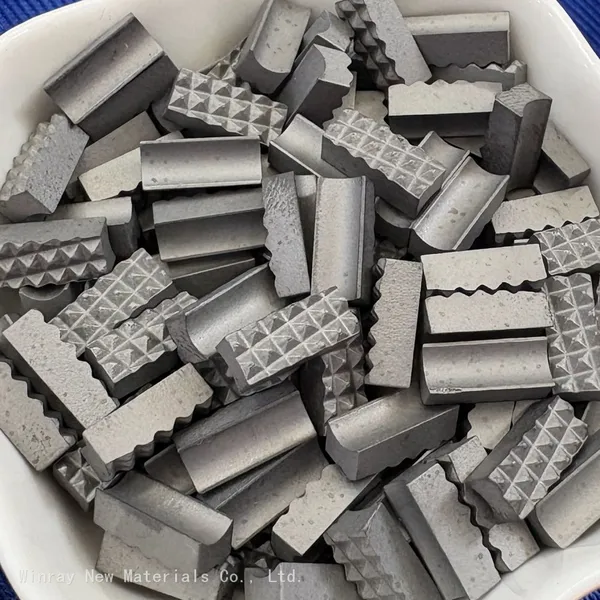
Tungsten Carbide Gripper Inserts for Oilfield Slip Assemblies – YG8/YG6/K10 Grades, High Hardness & Wear ResistanceNegotiableMOQ: 5 Kilograms

-
Precision Carbide Sleeves OD 5-50 mm ID 2-30 mm Concentricity Max 0.005 mm Ra 0.2 um CNC GroundNegotiableMOQ: 1 Unit
-
Submicron Tungsten Carbide Strips 2x8x330mm Ground Tolerance ±0.02mm HRA 92.0NegotiableMOQ: 10 Pieces
-
VSI Crusher Carbide Strips and Bars for Machine Tool Plane Blades Wood Cutting ToolsNegotiableMOQ: 10 Units
-
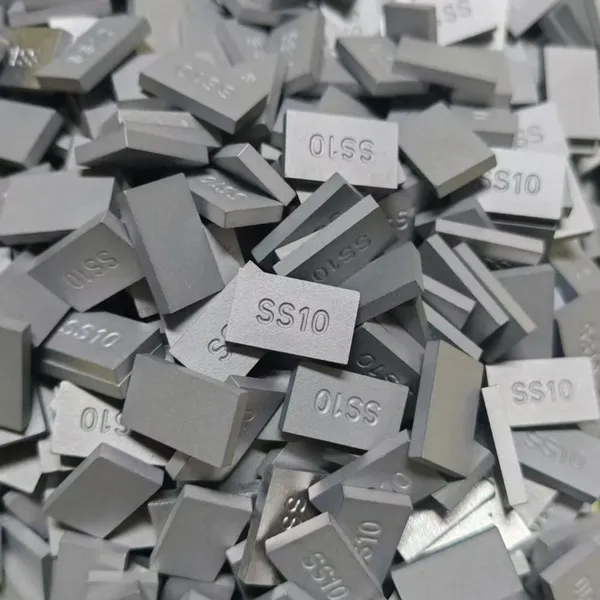
Yg8 Standard Tungsten Carbide Tips Ss10 for Stone Cutting ToolsNegotiableMOQ: 5 Kilograms
-
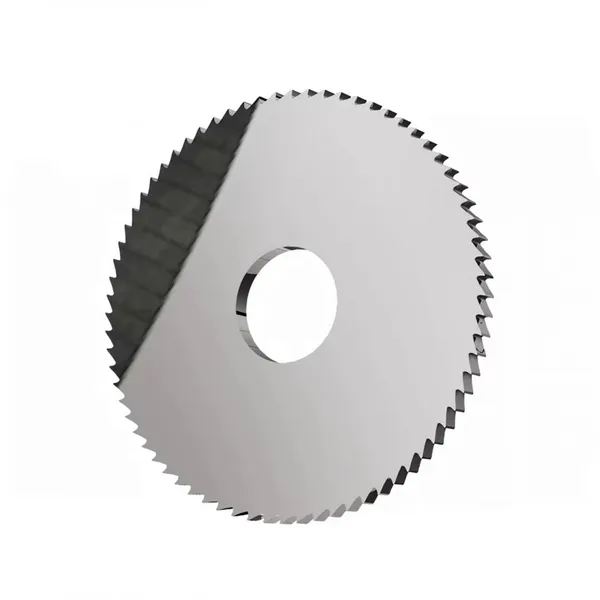
Tungsten Carbide Circular Saw Blade for Slitting Slotting Flat Tooth Saw Blades Cutting Metal Stainless Steel Aluminium Custom OEM Factory Bulk PriceNegotiableMOQ: 1 Blade
-
Tungsten Carbide Woodworking Blades – Replacement Cutting Blades for Wood Carving, Trimming & Planing ToolsNegotiableMOQ: 1 Box
-
Custom Carbide Wear Components From Samples and Prototypes to Volume Production WC-Co SupplierNegotiableMOQ: 10 Blades
-
Custom Tungsten Carbide Wear Parts Non-Standard Shapes Produced to Customer Drawings WC-CoNegotiableMOQ: 10 Blades
-
Tungsten Carbide Strips and Plates PYG7 Submicron Grade M10 Ultra High Strength Custom SizesNegotiableMOQ: 10 Blades
-
Tungsten Carbide Strips and Plates PK08 Grade K30 High Strength Impact Resistant Custom SizesNegotiableMOQ: 10 Blades