 Business License

Why Tungsten Carbide Outperforms Steel in High-Wear Applications
When a wear part fails prematurely, the consequences ripple far beyond the cost of the replacement component itself. Unplanned downtime, labor hours, and lost productivity often dwarf the price of the part. This is why more industries are moving away from traditional tool steels and toward tungsten carbide for their most demanding wear applications.
The Hardness Gap
The fundamental advantage of tungsten carbide lies in its composite structure. It consists of tungsten carbide (WC) grains—among the hardest materials available—held together by a metallic binder, typically cobalt. This architecture produces hardness values in the range of HV 1600 to 2200, depending on the grade and binder content. By comparison, high-strength steels used in similar wear applications typically measure around HV 400 to 600. In practical terms, cemented carbide wear resistance can be six to eight times that of tungsten steel under comparable conditions.
Beyond Hardness: Compressive Strength and Thermal Stability
Hardness alone does not tell the full story. Tungsten carbide also offers compressive strength exceeding 4000 MPa, allowing it to withstand extreme point loads without deformation. In high-pressure environments—such as deep-sea drilling or heavy stamping—this property is critical.
Thermal performance further separates carbide from steel. At 1000°C, a standard WC-6%Co grade maintains a hardness of HV 900 to 1000. High-strength steel, by contrast, softens to HV 200 to 250 at the same temperature. For applications involving friction-generated heat or elevated operating temperatures, this difference translates directly into extended service life.
Where Carbide Makes the Difference
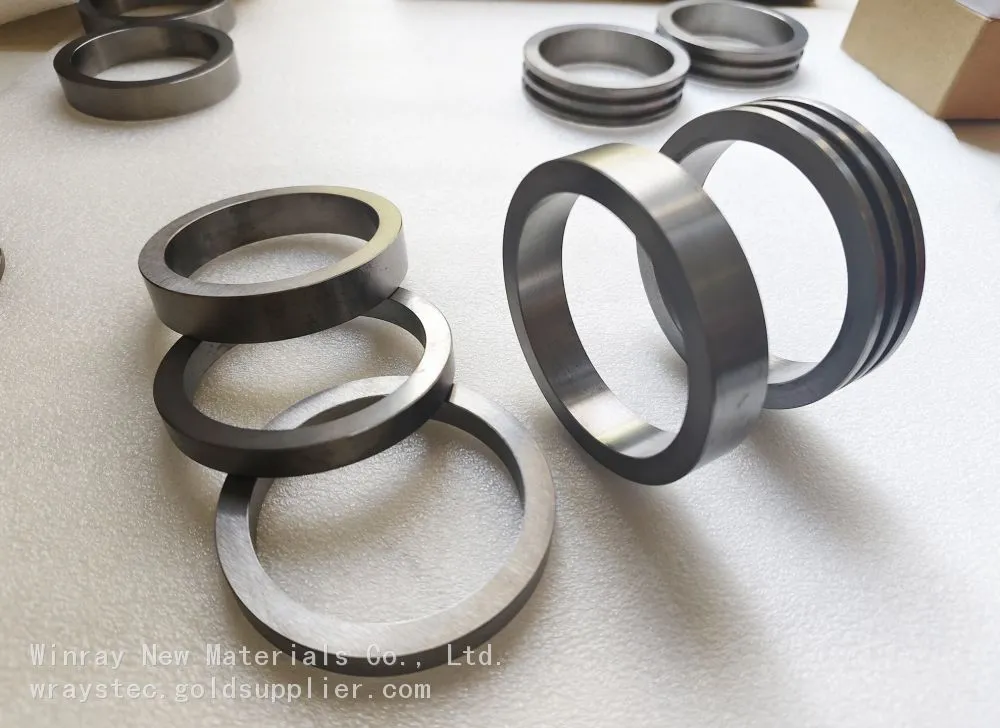
Common wear parts that benefit from tungsten carbide include seal rings, nozzles, guide rails, drawing dies, and plungers. In mining and construction, carbide-tipped drill bits and cutting teeth are increasingly replacing steel alternatives as ore grades decline and operators seek to reduce total cost of ownership.
The economic case is straightforward: a higher initial unit cost is quickly offset by reduced replacement frequency, less downtime, and more predictable maintenance schedules. For operations where abrasive wear is a constant battle, tungsten carbide is not merely an upgrade—it is often the most cost-effective long-term choice.
Recently Posted
-
Cemented Carbide Spiral Strips: Material Fundamentals and Grade Selection
October 23, 2026Cemented carbide spiral strips, often referred to in the industry as helical carbide strips or tungsten carbide spiral bars, repre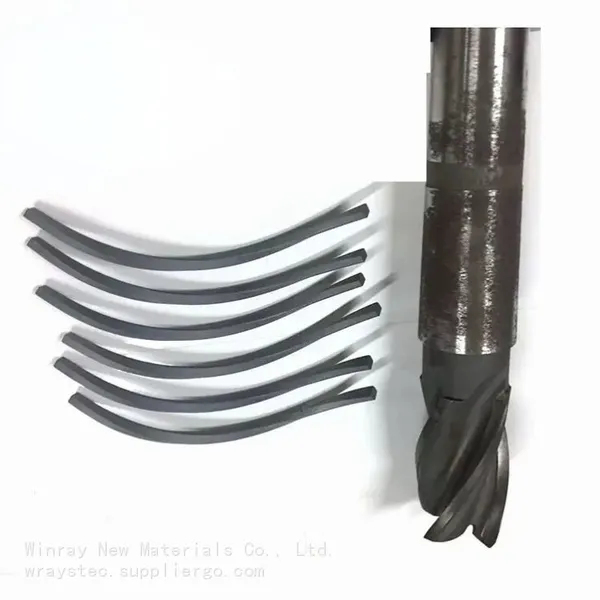 Read More
-
Industrial Applications of Tungsten Carbide Wolf-Tooth Rods — From Oilfields to Mines
October 23, 2026The value of a wear-protection technology is measured not in laboratory hardness numbers but in the field: how many additional hou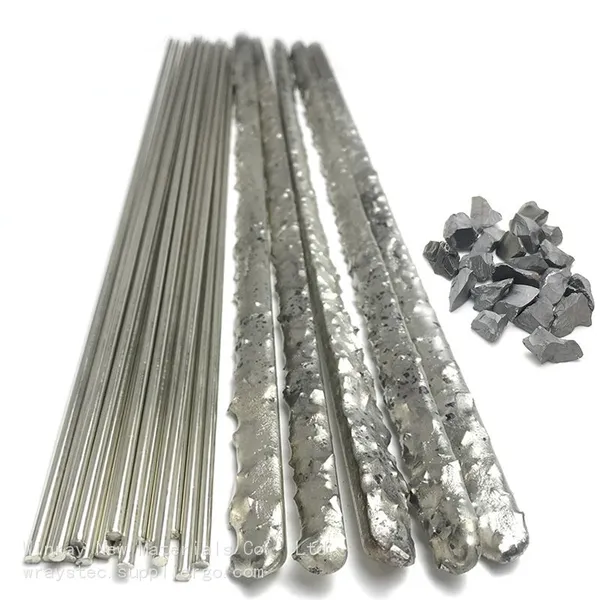 Read More
-
Tungsten Carbide Wear Parts in Mining and Construction: Reducing Total Cost of Ownership
October 22, 2026In mining and construction, equipment availability directly determines profitability. A drill bit that wears out mid-shift or a we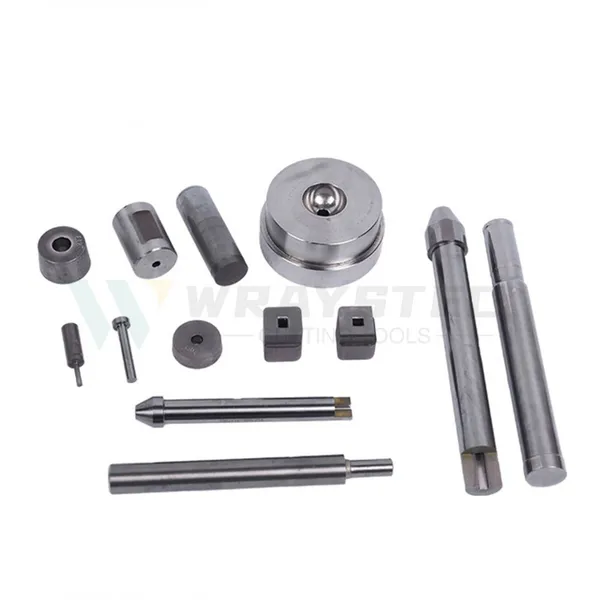 Read More
-
Selecting the Right Carbide Grade for Wear Parts: A Practical Guide
October 22, 2026Not all tungsten carbide is created equal. The performance of a wear part depends heavily on its grade—specifically, the cobalt co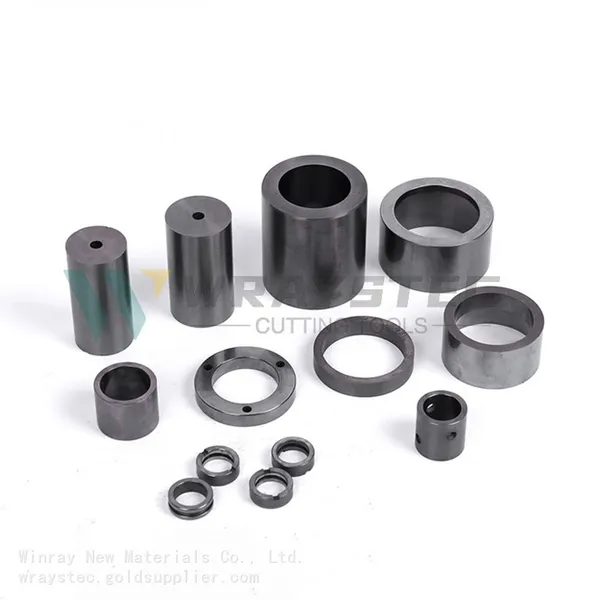 Read More

Contact Us
Recommended Products
-
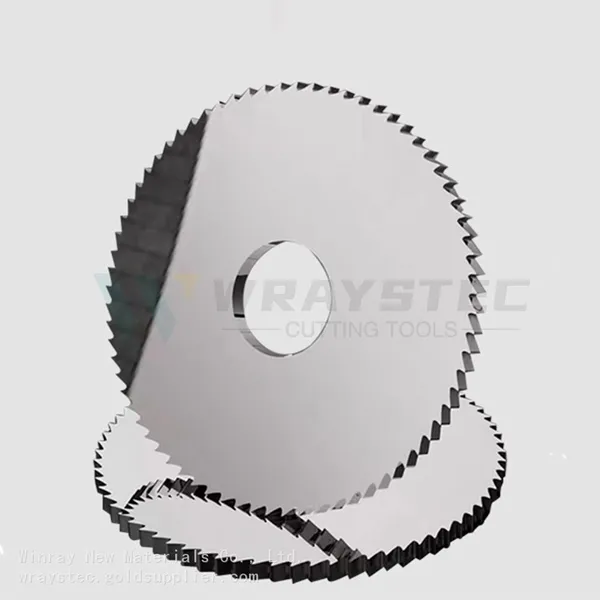
 Solid Carbide Tungsten Steel Circular Saw Blade Milling Cutter Various Outer Diameters Available Dia.100/80/75 Mm.US$ 18 - 28MOQ: 10 Blades
-
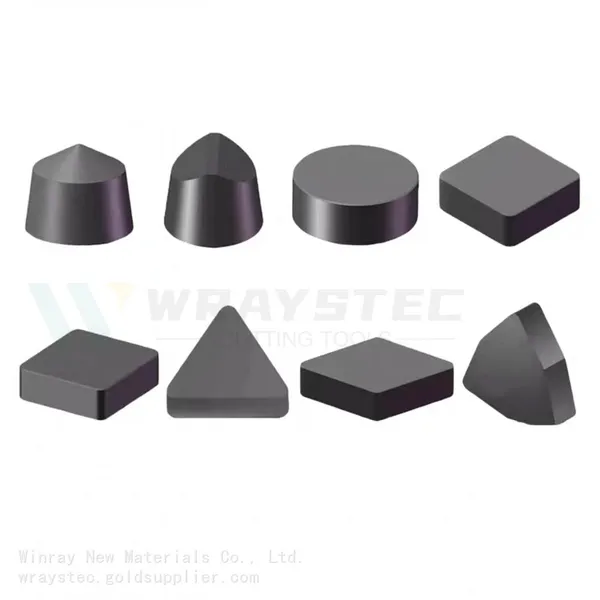
CBN (Cubic Boron Nitride) Solid Superhard Cutting Inserts WNMG/CNGN/SNGN/RNGN External Turning Tools RCGX1207US$ 1.05 - 5MOQ: 10 Blades
-
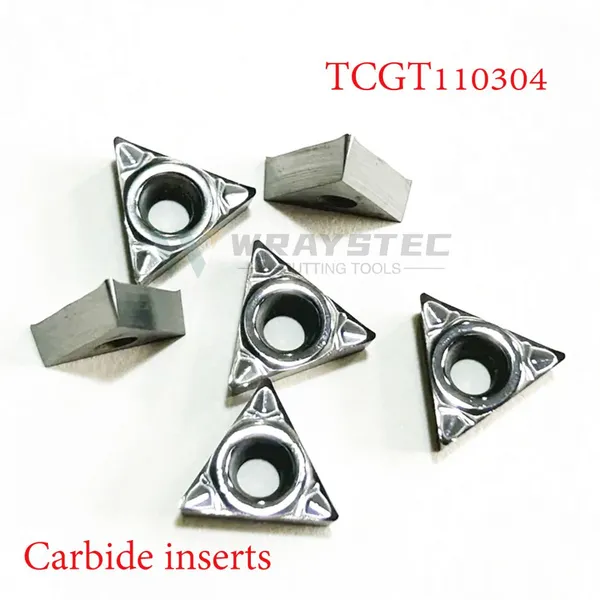
TCGT110304/09/16/02/04/08 Corner-AK Aluminum Inner Bore Machining Insert, Wear-resistant Cutting Tool for Brake Disc Repair.US$ 1.05 - 2MOQ: 10 Pieces
-
PCD/CBN Cemented Carbide Matrix XNEW0903 Diamond Tcgw/Xnew/Tnga CNC Carbide Inserts Substrate Carbide BaseUS$ 1.05 - 5MOQ: 10 Pieces
-
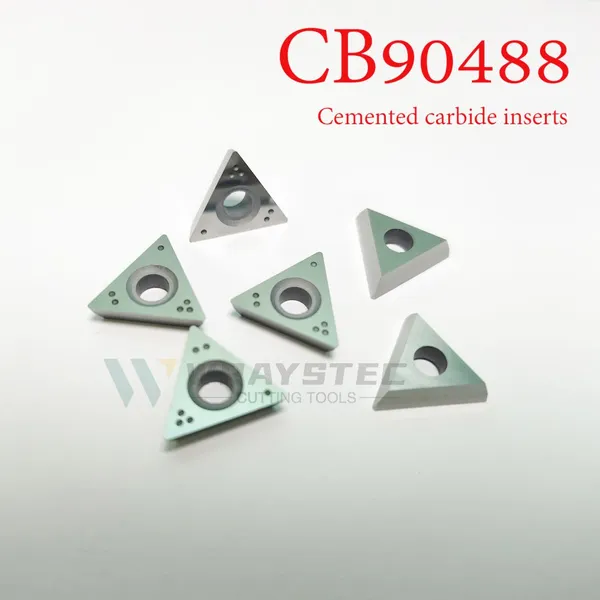
CB90488 Brake Disc C2 Carbide Repair Inserts for Machining Cast Iron and Steel Parts Non-Standard Accuturn Carbide Cutting Tips.US$ 1.35 - 2.82MOQ: 10 Pieces

-
CB6914-10 Brake Disc Repair Carbide Inserts Ammco Replacement for Cast Iron Double-Sided CB6918 Factory CustomizationUS$ 1.05 - 2MOQ: 10 Pieces
-
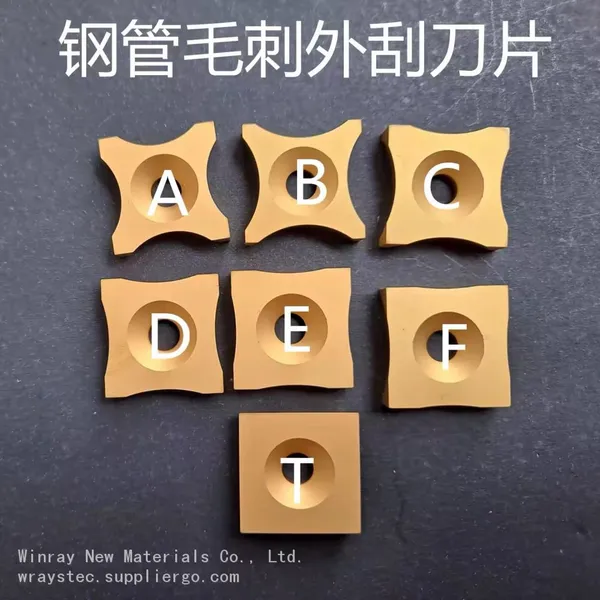
External Scraper for Steel Pipe Burrs (S-SPUB YBC151) – Hexagonal Deburring Tool for Outer Surfaces HEMBNegotiableMOQ: 10 Blades
-
Deburring/skiving Tool for Welded Steel Pipes 13×6×7 mm Wear-Resistant and High-HardnessNegotiableMOQ: 10 Blades
-
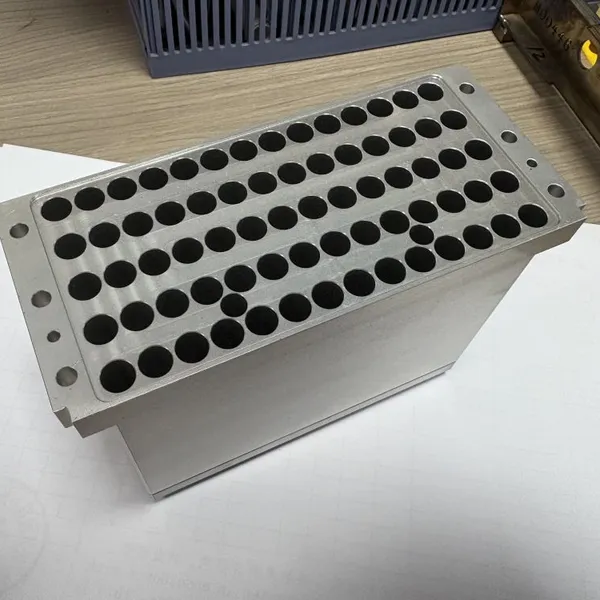
Custom-Made Non-Standard Aluminum Alloy ComponentsNegotiableMOQ: 1 Unit
-
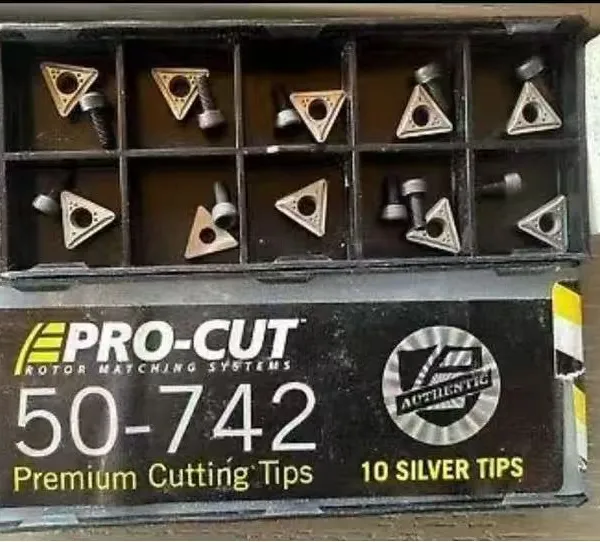
Wear Resistance CB50742 Carbide Bits for Brake Lath Machine TPGX110308 Hi10 for Cast IronUS$ 1.05 - 2MOQ: 10 Blades

-
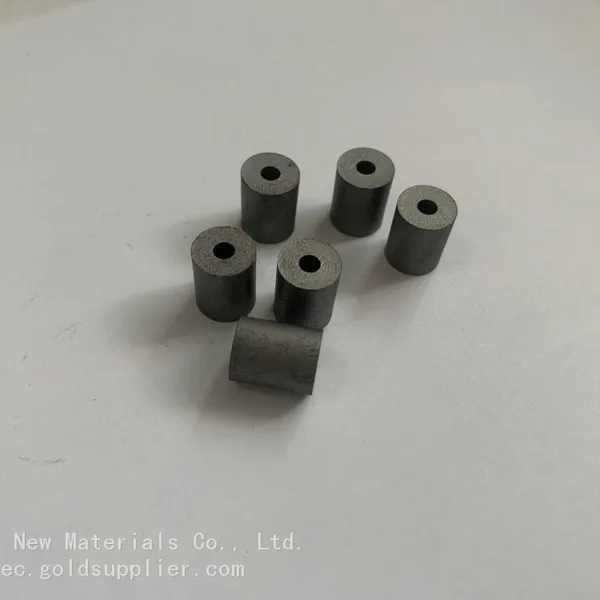
Wear-resistant Cemented Carbide Stamping ComponentsNegotiableMOQ: 1 Unit
-
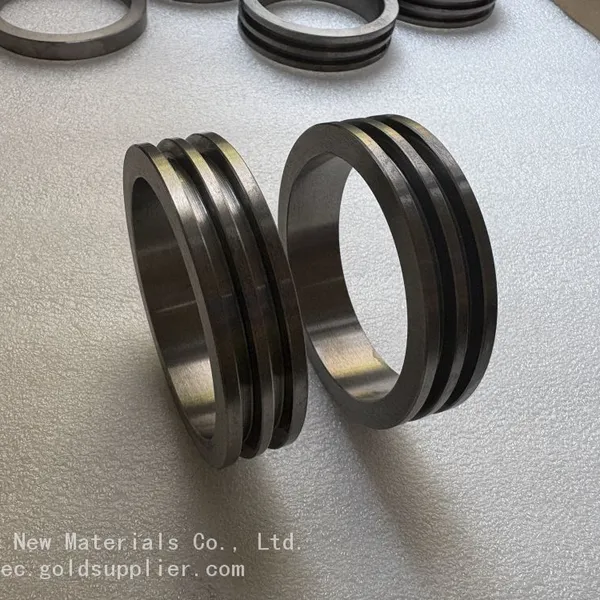
YG11 Tungsten Carbide Heavy-Duty Wear RingNegotiableMOQ: 1 Unit
-
C2 Ammco Positive Rake Carbide Bits for RELS Model 45016 R08/10/12 RadiusUS$ 2.5 - 3MOQ: 50 Blades
-
C2 Ammco Positive Rake Carbide Bits for RELS Model Brake Lathe 45016 RELS Carbide Bits RelacementsUS$ 2.5 - 3MOQ: 50 Blades
-
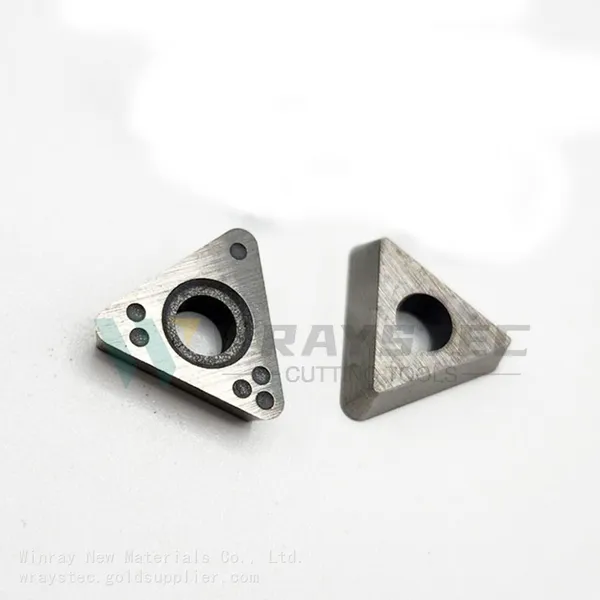
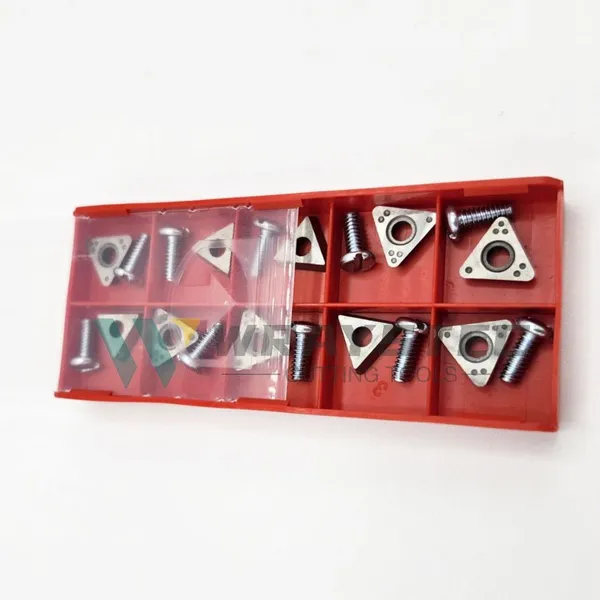
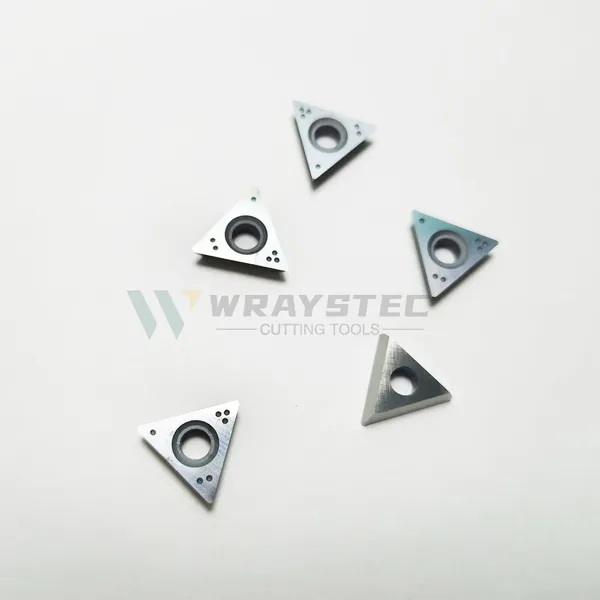
Holder Number 45703 Inserts Number CB90488 Replaces Accuturn Carbide Bit for Hard SteelUS$ 1.35 - 2.82MOQ: 10 Blades
-
CB90488 Replaces Accuturn Part Number 433796 Fits Accuturn Tool Holders: 433763, 433764, 434056, 434057, 434286, 433779US$ 1.35 - 2.82MOQ: 10 Blades
-
CB90488 Positive Rake Carbide Inserts for Accuturn Models 8911, 8922, 8944, 8989, 8991, 8993US$ 1.35 - 2.82MOQ: 10 Blades
-
Ammco 6914 Insert Can be Used on 6 Edges With Ammco Twin Cutter (6950)/ RELS Twin Cutter (40095) /negative Rake Tool Holder Set # 45701US$ 1.05 - 2MOQ: 10 Blades
-
Negative Rake Carbide Inserts For Ammco Models 4000, 4100, 7000 Lathes CB6914/6918-10US$ 1.05 - 2MOQ: 10 Blades
-
Positive Rake Carbide Bits for Ammco Model 2000 Brake Lathe CB6914-10US$ 1.05 - 2MOQ: 10 Blades