 Business License

A Buyer’s Guide to Cemented Carbide Grades—Beyond the Spec Sheet
Ask a veteran machining engineer what makes a good carbide grade, and you will rarely hear a simple answer. The spec sheet lists hardness, transverse rupture strength, and cobalt content. But the real performance difference between two inserts with identical numbers often comes down to things the datasheet does not capture: grain size distribution, binder phase homogeneity, coating adhesion, and—perhaps most importantly—whether the grade was engineered for your specific failure mode.
Start with the Application, Not the Grade Name
One of the most common mistakes buyers make is selecting a carbide grade by reputation or by generic category (e.g., “P25” or “K20”) without mapping it to the actual wear mechanism in their operation. In metal cutting, failure modes range from flank wear and crater wear to thermal cracking, built-up edge, and catastrophic breakage. A grade optimized for abrasive wear resistance will behave very differently from one designed for toughness under interrupted cuts.
The Japanese experience offers a useful framework. In Japan, carbide tools are classified into three broad categories: cutting tools (81% by weight), wear-resistant tools (16.1%), and mining tools (2.9%) . Within wear-resistant applications—drawing dies, can tooling, glass lens molds—the demands are entirely different from those of a turning insert. Glass lens molding, for instance, requires carbide grades with thermal expansion coefficients matched to the glass to prevent distortion at high temperatures, a requirement that would be irrelevant for a milling cutter .
The Grain Size Variable
Grain size is arguably the most under-appreciated lever in carbide performance. Ultrafine and submicron grades offer an excellent combination of hardness and toughness, making them suitable for cutting tools where sharp edges and wear resistance are paramount. Medium-grain grades balance hardness with shock resistance for general-purpose cutting and wear parts. Coarse and extra-coarse grades prioritize impact resistance and are the default choice for mining and construction tools where the dominant failure mode is fracture, not wear .
A common procurement error is over-specifying fine grain for applications where toughness matters more. A submicron grade may wear longer in smooth finishing, but in a roughing operation with interrupted cuts, it may chip or fracture where a tougher medium-grain grade would survive. The right question is not “What is the hardest grade I can buy?” but “What is the failure mode I need to prevent?”
Coating: The Force Multiplier
Coated carbides now dominate the cutting tool market, with coated grades holding approximately 73% share by coating type in 2026 . The reasons are straightforward: a well-applied coating can reduce friction, limit heat transfer into the substrate, and extend tool life by factors of two or more.
But coating selection is not one-size-fits-all. CVD (chemical vapor deposition) coatings, typically with thick TiCN and Al₂O₃ layers, excel in turning and heavy-duty milling where thermal stability and wear resistance are critical. PVD (physical vapor deposition) coatings, deposited at lower temperatures, preserve substrate toughness and are often preferred for sharp-edged drills, taps, and end mills where edge integrity matters more than thick film thickness.
Recent developments in gradient substrates—where the surface layer is cobalt-enriched to improve coating adhesion and edge strength—have further blurred the lines between substrate and coating engineering. The practical takeaway for buyers is to ask suppliers not just “What coating is on this insert?” but “How was the substrate prepared for that coating?”
Total Cost per Part, Not Price per Piece
The most persistent purchasing habit in carbide is comparing price per insert. This metric is almost meaningless without context. A tool that costs 30% more but lasts three times as long and reduces machine downtime delivers a far better return than a cheaper alternative that fails unpredictably.
Forward-looking buyers are shifting toward total cost per part or cost per hole/meter/square centimeter of material removed. This requires a willingness to run controlled trials and track tool life data, but the payoff is substantial. It also changes the supplier conversation from haggling over unit price to collaborating on process improvement—a shift that benefits both sides.
Supply Chain Reality Check
Finally, no buyer’s guide is complete without acknowledging the raw material backdrop. Tungsten is a strategic resource subject to export controls, price volatility, and geopolitical friction. China produces over 40% of global carbide volume, and while alternative supply sources exist, they cannot yet match Chinese scale and cost efficiency for many standard grades . The lesson is not to avoid Chinese suppliers—many are technically excellent—but to build relationships with qualified vendors who can demonstrate consistent quality management, traceable raw material sourcing, and the engineering support to help you solve application problems rather than simply fill orders.
Carbide is a mature material, but the industry around it is anything but static. The buyers who get the most value are those who treat grade selection as an engineering collaboration, not a catalog transaction.
Recently Posted
-
Selecting the Right Carbide Grade for Wear Parts: A Practical Guide
October 22, 2026Not all tungsten carbide is created equal. The performance of a wear part depends heavily on its grade—specifically, the cobalt co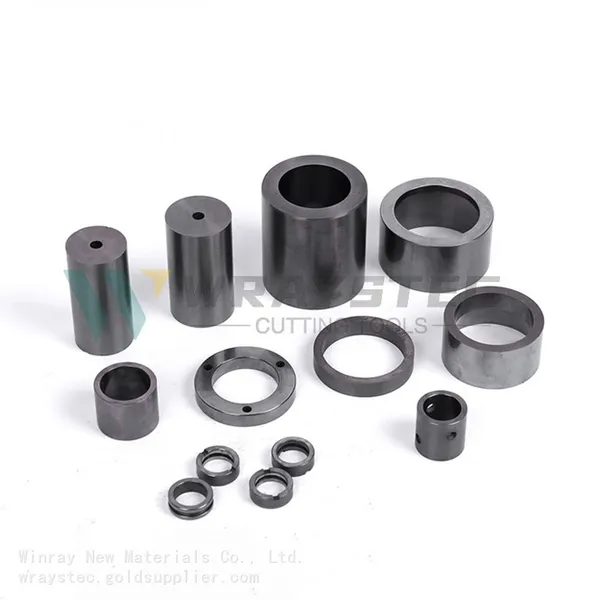 Read More
-
Why Cemented Carbide Remains the Backbone of Modern Manufacturing
October 22, 2026If you walk onto any modern machining floor, mining site, or automotive assembly line, you are surrounded by the quiet productivit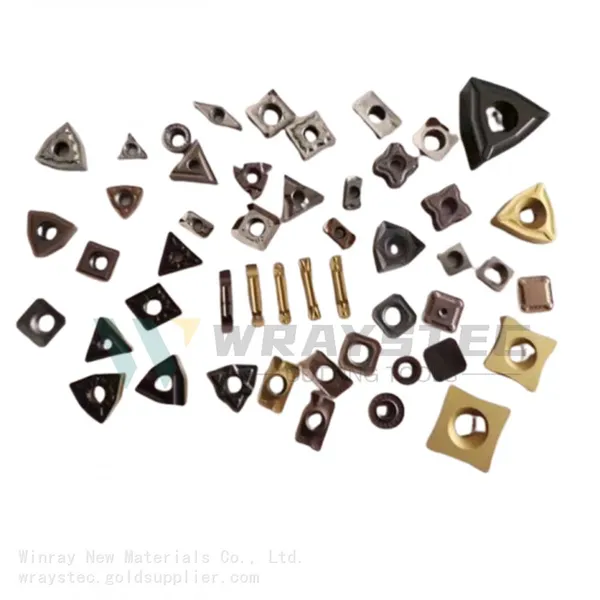 Read More
-
Custom Aluminum Alloy Non-Standard Parts: Why Customization Is Your Competitive Edge
September 24, 2026In today's fast-moving manufacturing landscape, off-the-shelf components often fall short. Every project has unique requiremen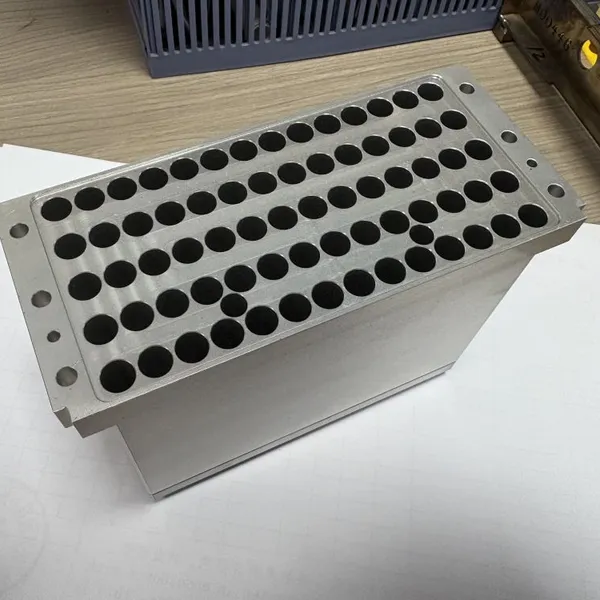 Read More
-
Beyond Hardness: Why Cemented Carbide Wear Parts Are Your Best Defense Against Unplanned Downtime
August 28, 2026In the world of heavy industry, maintenance planners lose sleep over one thing: unplanned stoppage. When a wear part fails, the cl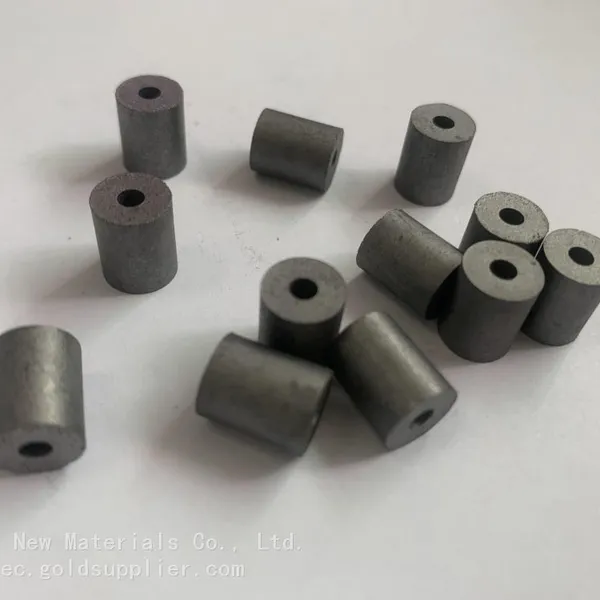 Read More

Contact Us
Recommended Products
-
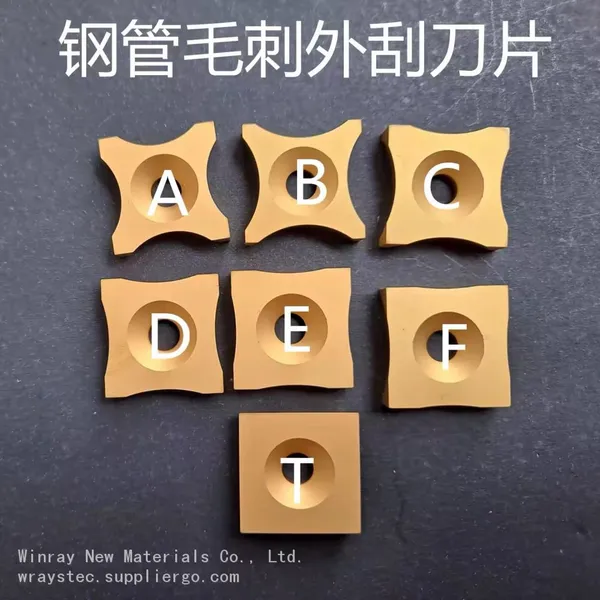
 External Scraper for Steel Pipe Burrs (S-SPUB YBC151) – Hexagonal Deburring Tool for Outer Surfaces HEMBNegotiableMOQ: 10 Blades
-
Deburring/skiving Tool for Welded Steel Pipes 13×6×7 mm Wear-Resistant and High-HardnessNegotiableMOQ: 10 Blades
-
Custom-Made Non-Standard Aluminum Alloy ComponentsNegotiableMOQ: 1 Unit
-
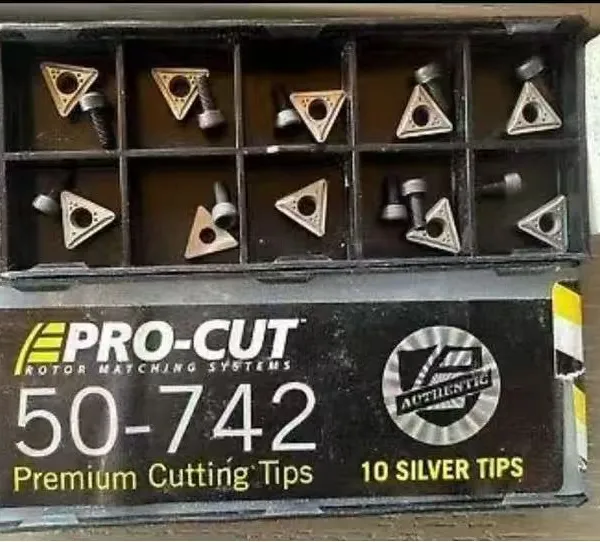
Wear Resistance CB50742 Carbide Bits for Brake Lath Machine TPGX110308 Hi10 for Cast IronUS$ 1.05 - 2MOQ: 10 Blades
-
Wear-resistant Cemented Carbide Stamping ComponentsNegotiableMOQ: 1 Unit
-
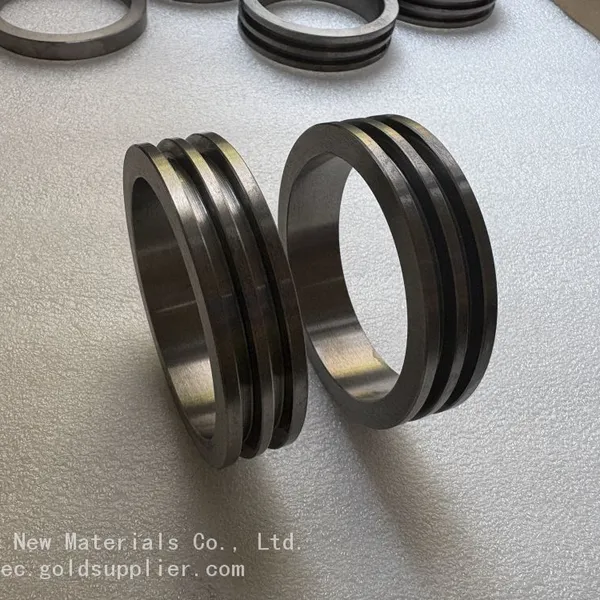
YG11 Tungsten Carbide Heavy-Duty Wear RingNegotiableMOQ: 1 Unit
-
C2 Ammco Positive Rake Carbide Bits for RELS Model 45016 R08/10/12 RadiusUS$ 2.5 - 3MOQ: 50 Blades
-
C2 Ammco Positive Rake Carbide Bits for RELS Model Brake Lathe 45016 RELS Carbide Bits RelacementsUS$ 2.5 - 3MOQ: 50 Blades
-
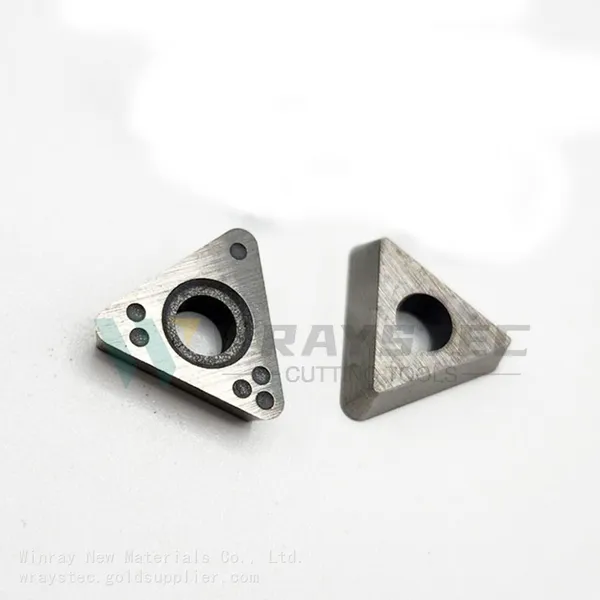
Holder Number 45703 Inserts Number CB90488 Replaces Accuturn Carbide Bit for Hard SteelUS$ 1.35 - 2.82MOQ: 10 Blades
-
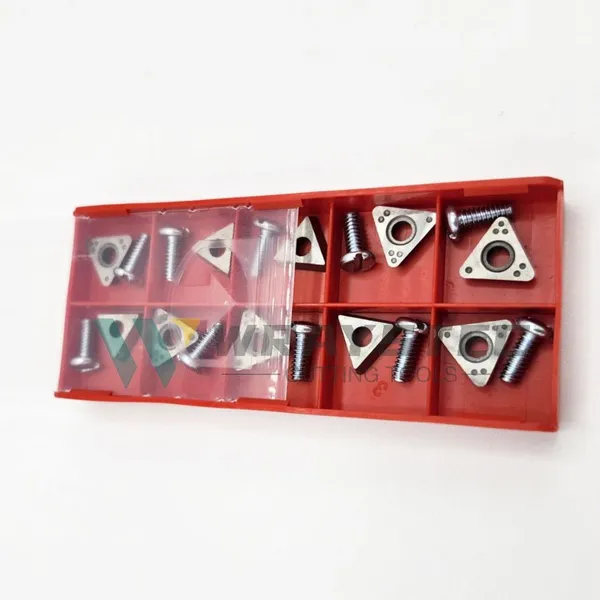
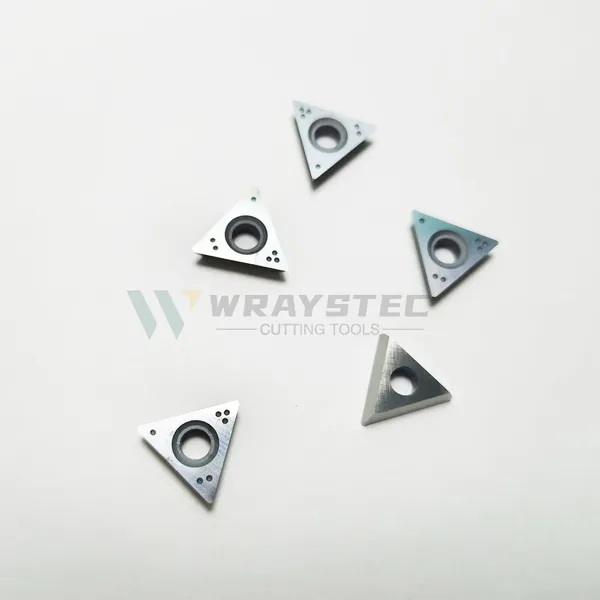
CB90488 Replaces Accuturn Part Number 433796 Fits Accuturn Tool Holders: 433763, 433764, 434056, 434057, 434286, 433779US$ 1.35 - 2.82MOQ: 10 Blades
-
CB90488 Positive Rake Carbide Inserts for Accuturn Models 8911, 8922, 8944, 8989, 8991, 8993US$ 1.35 - 2.82MOQ: 10 Blades
-
Ammco 6914 Insert Can be Used on 6 Edges With Ammco Twin Cutter (6950)/ RELS Twin Cutter (40095) /negative Rake Tool Holder Set # 45701US$ 1.05 - 2MOQ: 10 Blades
-
Negative Rake Carbide Inserts For Ammco Models 4000, 4100, 7000 Lathes CB6914/6918-10US$ 1.05 - 2MOQ: 10 Blades
-
Positive Rake Carbide Bits for Ammco Model 2000 Brake Lathe CB6914-10US$ 1.05 - 2MOQ: 10 Blades
-
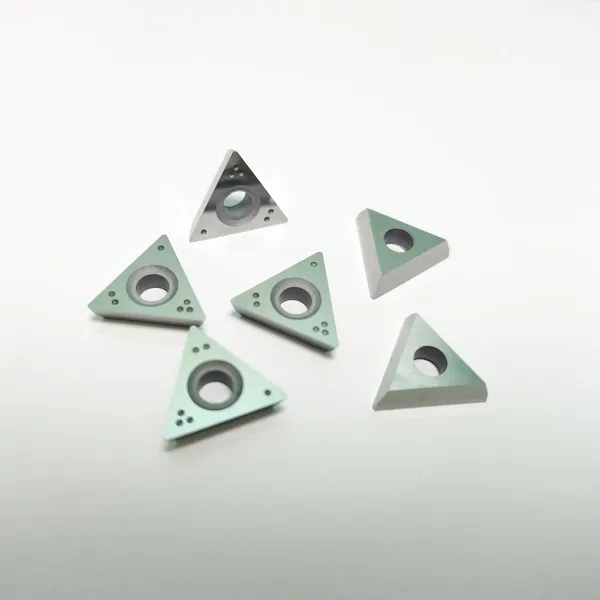
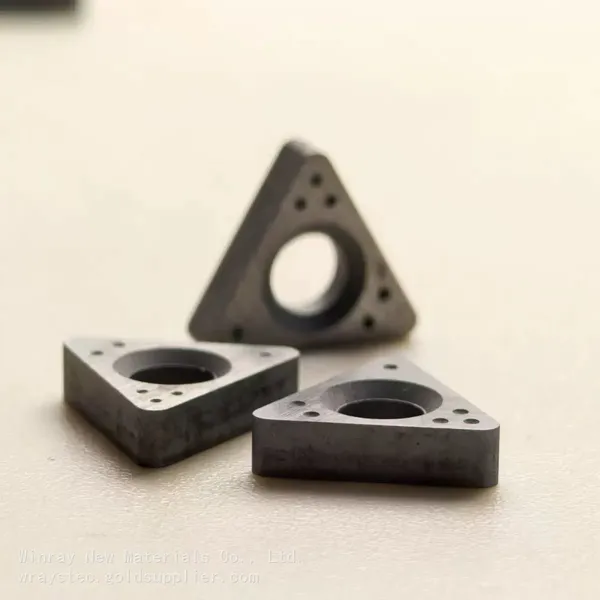
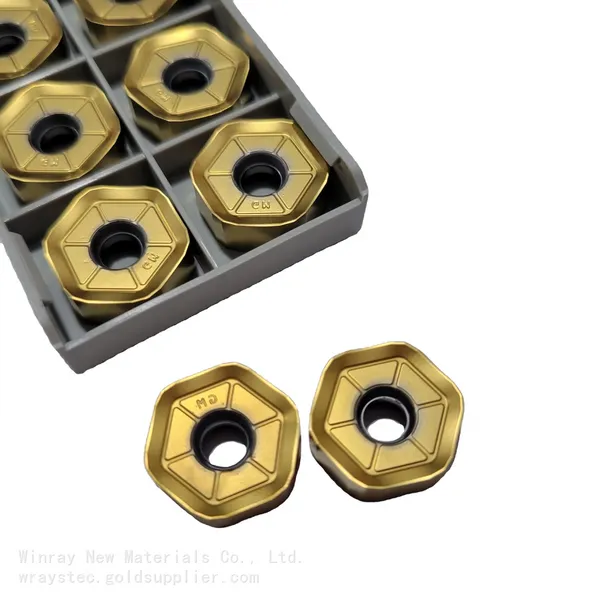
Carbide Milling Tools HNGX0906 45 Degree Double Side Heavy Duty MachiningNegotiableMOQ: 10 Blades
-
Carbide Chuck Jaw Inserts for Pipe Chuck Clamp MechanicalNegotiableMOQ: 100 Blades
-
Modern Design High Precision Serdi Carbide Pilot for Guide Cutting MachineNegotiableMOQ: 10 Blades
-
Valve Seat Boring Machine Carbide Incisors Tungsten Carbide Valve Seat InsertsNegotiableMOQ: 10 Blades
-
ISO Standard and Best Price Carbide Tips Ss10 Carbide Stone Cutting TipsNegotiableMOQ: 20 Kilograms
-
Tungsten Carbide Composite Rods Welding Composite Rods High Wear Resistance for AgriculturalNegotiableMOQ: 10 Kilograms