 Business License

Selecting the Right Carbide Grade for Wear Parts: A Practical Guide
Not all tungsten carbide is created equal. The performance of a wear part depends heavily on its grade—specifically, the cobalt content, grain size, and any additional carbides present in the formulation. Choosing the wrong grade can lead to premature fracture, accelerated wear, or unnecessary cost. This guide outlines the key trade-offs.
Cobalt Content: The Toughness-Wear Trade-Off
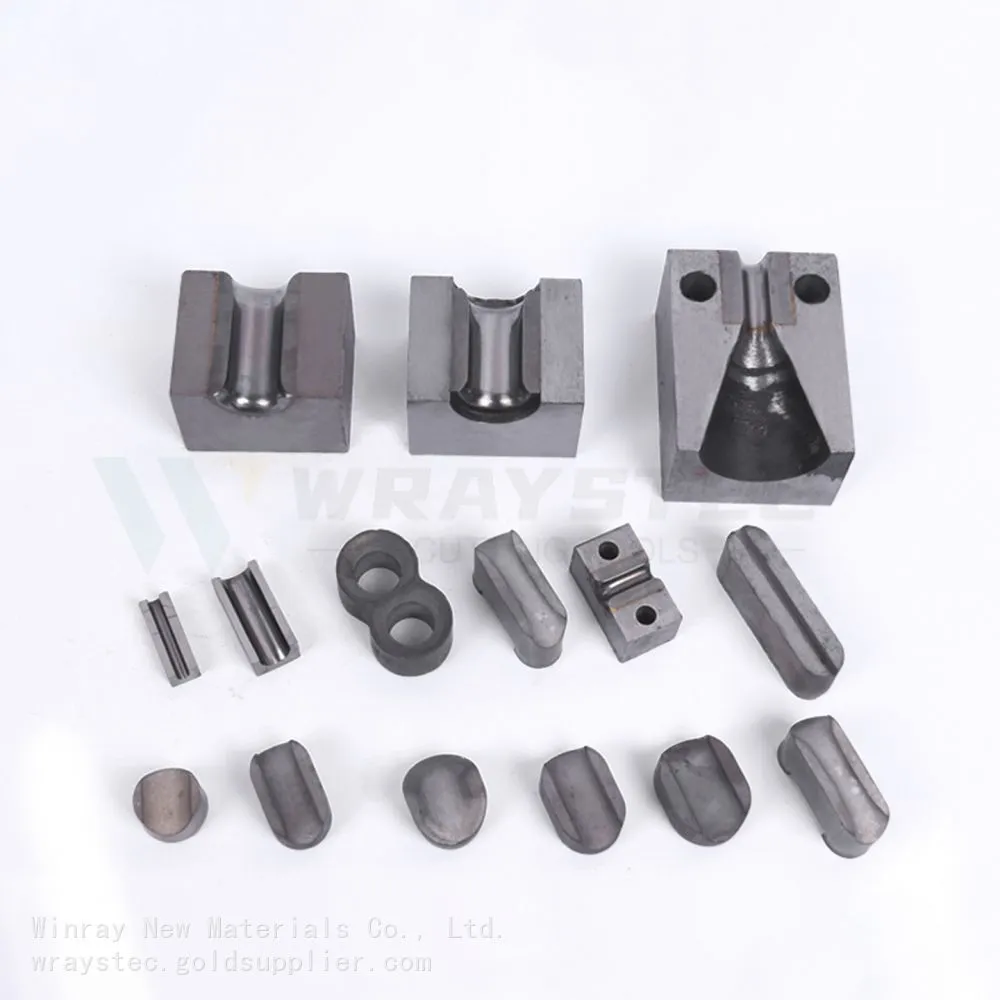
Cobalt serves as the binder phase in cemented carbide, providing toughness at the expense of hardness. A low-cobalt grade such as 6% Co (often designated YG6 or K20) offers higher hardness and superior wear resistance, making it ideal for abrasive, low-impact conditions like wire drawing dies and nozzles. As cobalt content increases—to 8%, 10%, or beyond—toughness improves, but hardness and wear resistance decline. High-cobalt grades like YG20 (20% Co) are reserved for applications involving heavy impact, such as cold heading dies.
Grain Size Matters
Tungsten carbide grain size is another critical lever. Submicron and fine-grain carbides (0.5–1 μm) deliver higher hardness and improved wear resistance, but they are more brittle. Coarse-grain grades (6–10 μm) enhance crack resistance and perform better under impact loading or thermal cycling. For tools subjected to locally high cutting forces and heating—such as rock drilling in abrasive formations—a fine-grain, low-cobalt grade like G10 is often recommended for maximum wear resistance. However, if the dominant failure mode is chipping or fracture rather than gradual wear, a tougher, coarser grade is the better choice.
Corrosion Resistance: The Nickel Option
In chemically aggressive environments, standard cobalt-binder grades may corrode. Tungsten-nickel (WN) grades, such as YN8, offer improved corrosion resistance while maintaining acceptable wear properties. These are commonly specified for seal rings and components exposed to acidic or marine conditions.
A Note on Temperature Limits
Cobalt-bonded tungsten carbide performs well up to approximately 750°C. Beyond this threshold, oxidation of both the WC phase and the cobalt binder accelerates significantly, leading to porosity and structural degradation. For applications exceeding this temperature, alternative materials or protective coatings should be considered.
Practical Selection Checklist
Before finalizing a grade, ask: What is the dominant wear mechanism (abrasion, erosion, adhesion)? Are impacts expected? What is the operating temperature? Is corrosion a factor? Matching the grade to the actual failure mode—rather than simply choosing the hardest available option—is the most reliable path to optimal service life.
Recently Posted
-
A Buyer’s Guide to Cemented Carbide Grades—Beyond the Spec Sheet
October 22, 2026Ask a veteran machining engineer what makes a good carbide grade, and you will rarely hear a simple answer. The spec sheet lists h Read More
-
Why Cemented Carbide Remains the Backbone of Modern Manufacturing
October 22, 2026If you walk onto any modern machining floor, mining site, or automotive assembly line, you are surrounded by the quiet productivit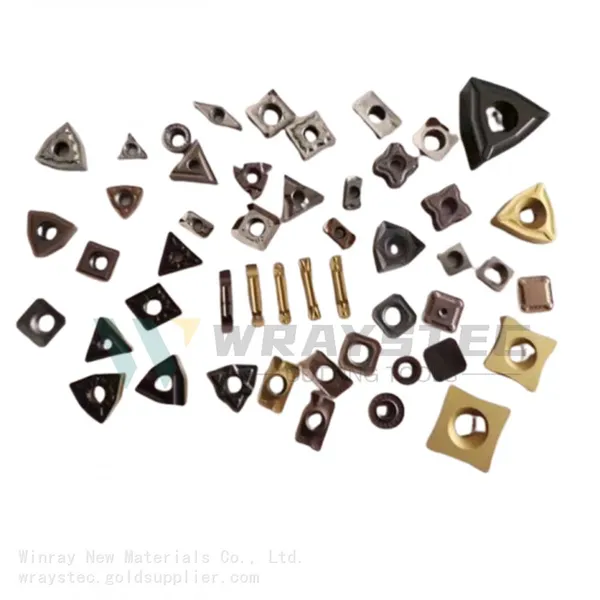 Read More
-
Custom Aluminum Alloy Non-Standard Parts: Why Customization Is Your Competitive Edge
September 24, 2026In today's fast-moving manufacturing landscape, off-the-shelf components often fall short. Every project has unique requiremen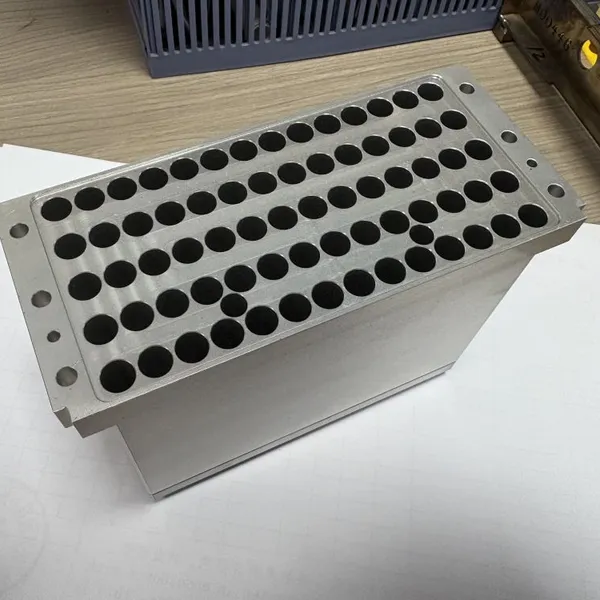 Read More
-
Beyond Hardness: Why Cemented Carbide Wear Parts Are Your Best Defense Against Unplanned Downtime
August 28, 2026In the world of heavy industry, maintenance planners lose sleep over one thing: unplanned stoppage. When a wear part fails, the cl
Read More

Contact Us
Recommended Products
-
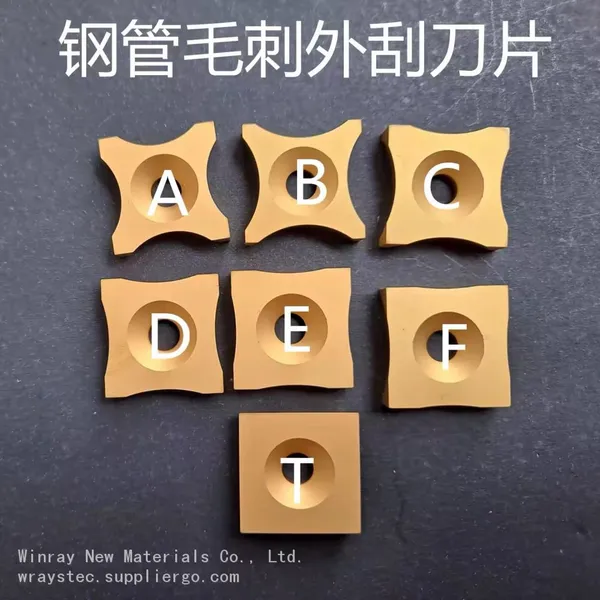
 External Scraper for Steel Pipe Burrs (S-SPUB YBC151) – Hexagonal Deburring Tool for Outer Surfaces HEMBNegotiableMOQ: 10 Blades
-
Deburring/skiving Tool for Welded Steel Pipes 13×6×7 mm Wear-Resistant and High-HardnessNegotiableMOQ: 10 Blades
-
Custom-Made Non-Standard Aluminum Alloy ComponentsNegotiableMOQ: 1 Unit
-
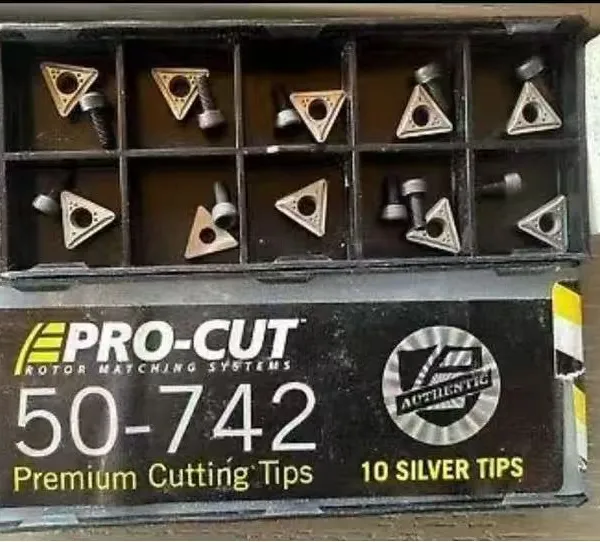
Wear Resistance CB50742 Carbide Bits for Brake Lath Machine TPGX110308 Hi10 for Cast IronUS$ 1.05 - 2MOQ: 10 Blades
-
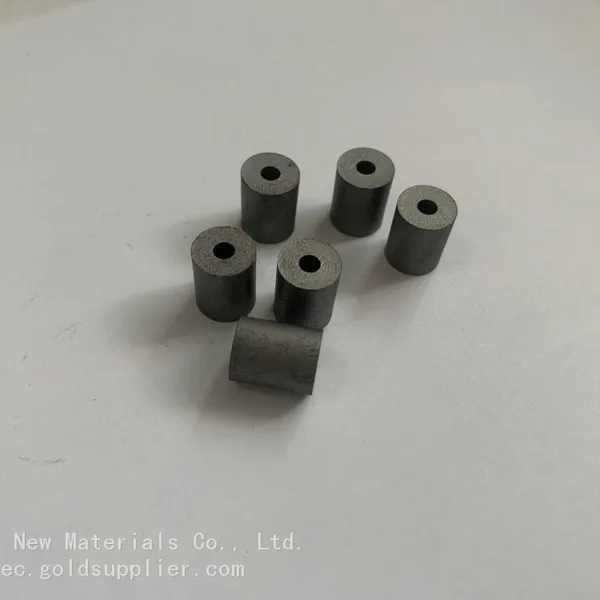
Wear-resistant Cemented Carbide Stamping ComponentsNegotiableMOQ: 1 Unit
-
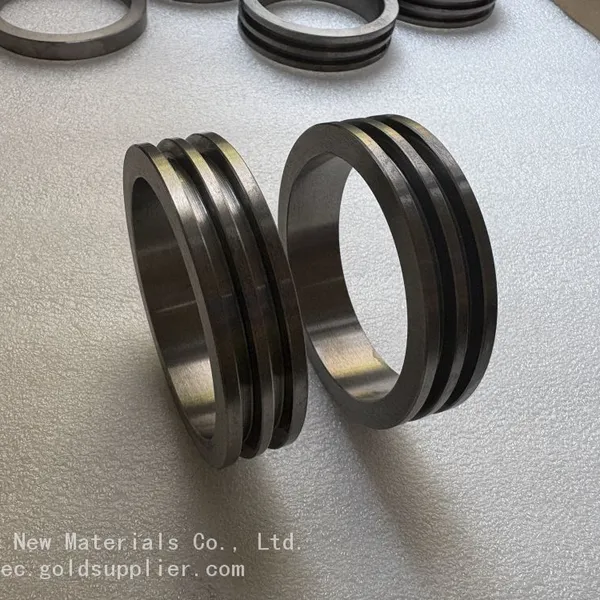
YG11 Tungsten Carbide Heavy-Duty Wear RingNegotiableMOQ: 1 Unit
-
C2 Ammco Positive Rake Carbide Bits for RELS Model 45016 R08/10/12 RadiusUS$ 2.5 - 3MOQ: 50 Blades
-
C2 Ammco Positive Rake Carbide Bits for RELS Model Brake Lathe 45016 RELS Carbide Bits RelacementsUS$ 2.5 - 3MOQ: 50 Blades
-
Holder Number 45703 Inserts Number CB90488 Replaces Accuturn Carbide Bit for Hard SteelUS$ 1.35 - 2.82MOQ: 10 Blades
-
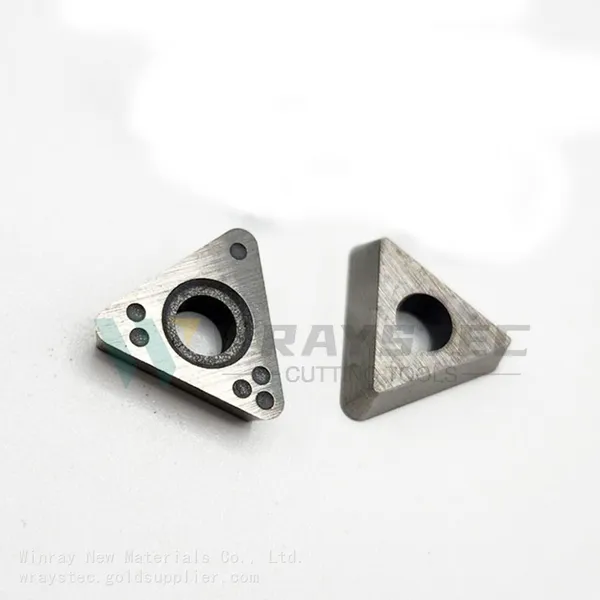
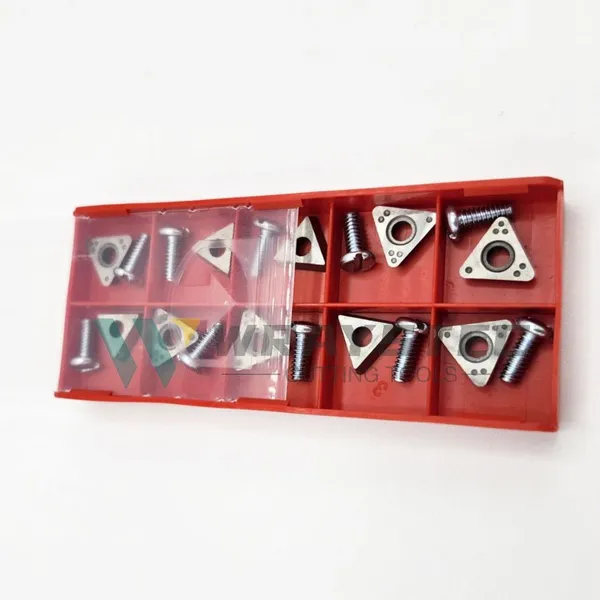
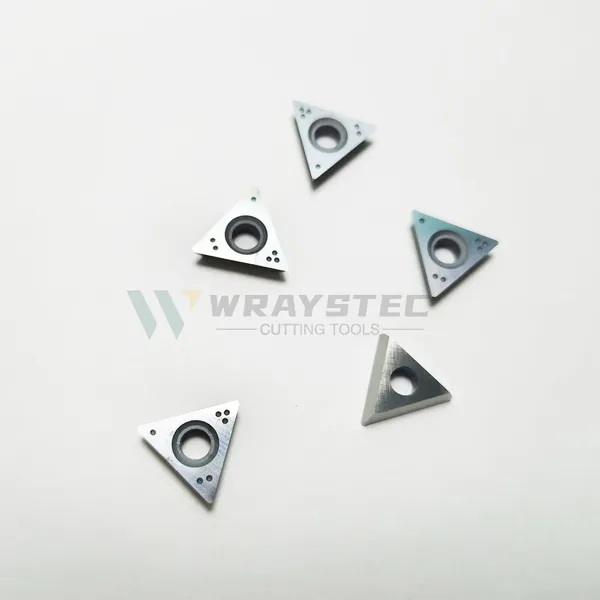
CB90488 Replaces Accuturn Part Number 433796 Fits Accuturn Tool Holders: 433763, 433764, 434056, 434057, 434286, 433779US$ 1.35 - 2.82MOQ: 10 Blades
-
CB90488 Positive Rake Carbide Inserts for Accuturn Models 8911, 8922, 8944, 8989, 8991, 8993US$ 1.35 - 2.82MOQ: 10 Blades
-
Ammco 6914 Insert Can be Used on 6 Edges With Ammco Twin Cutter (6950)/ RELS Twin Cutter (40095) /negative Rake Tool Holder Set # 45701US$ 1.05 - 2MOQ: 10 Blades
-
Negative Rake Carbide Inserts For Ammco Models 4000, 4100, 7000 Lathes CB6914/6918-10US$ 1.05 - 2MOQ: 10 Blades
-
Positive Rake Carbide Bits for Ammco Model 2000 Brake Lathe CB6914-10US$ 1.05 - 2MOQ: 10 Blades
-
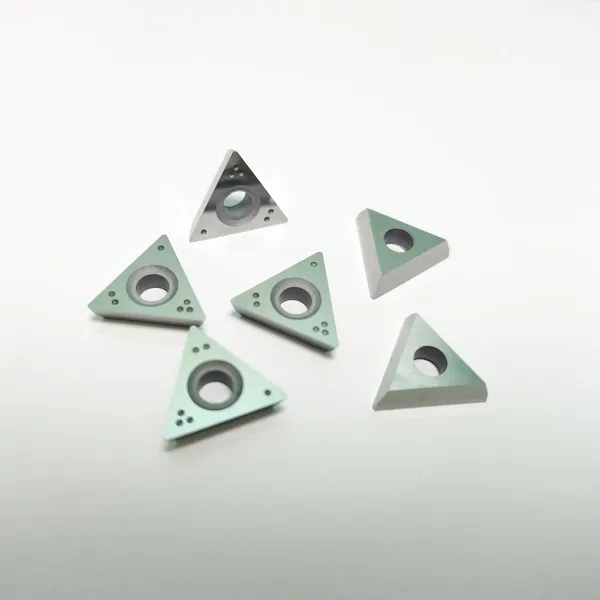
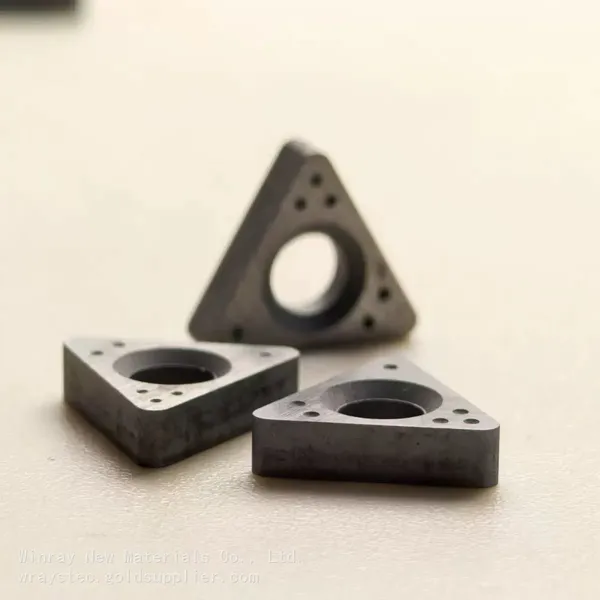
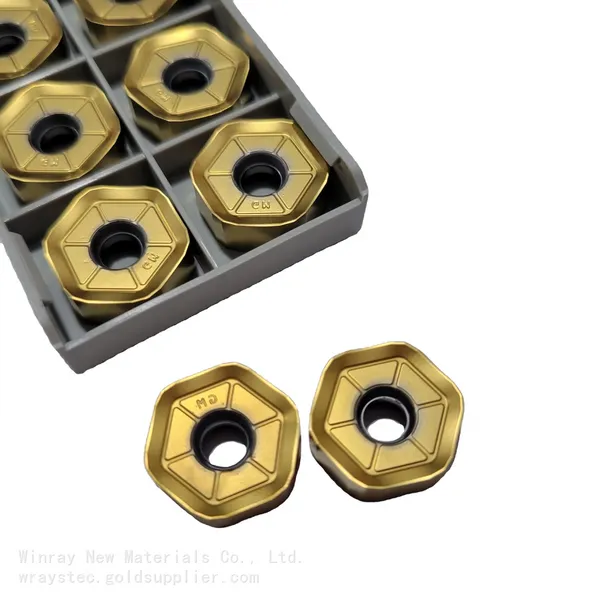
Carbide Milling Tools HNGX0906 45 Degree Double Side Heavy Duty MachiningNegotiableMOQ: 10 Blades
-
Carbide Chuck Jaw Inserts for Pipe Chuck Clamp MechanicalNegotiableMOQ: 100 Blades
-
Modern Design High Precision Serdi Carbide Pilot for Guide Cutting MachineNegotiableMOQ: 10 Blades
-
Valve Seat Boring Machine Carbide Incisors Tungsten Carbide Valve Seat InsertsNegotiableMOQ: 10 Blades
-
ISO Standard and Best Price Carbide Tips Ss10 Carbide Stone Cutting TipsNegotiableMOQ: 20 Kilograms
-
Tungsten Carbide Composite Rods Welding Composite Rods High Wear Resistance for AgriculturalNegotiableMOQ: 10 Kilograms