 Business License

Tungsten Carbide Wear Parts in Mining and Construction: Reducing Total Cost of Ownership
In mining and construction, equipment availability directly determines profitability. A drill bit that wears out mid-shift or a wear plate that requires unplanned replacement can halt an entire operation. As ore grades decline and operators push equipment harder to maintain output, the demand for wear parts that last longer and fail predictably has never been greater.
The Shift from Steel to Carbide
The transition from steel to carbide-tipped tools in mining is well underway. Major equipment OEMs have increased their carbide procurement budgets in recent years, reflecting a clear recognition that tool longevity is a key lever for managing total cost of ownership. In hard-rock drilling, carbide inserts maintain cutting efficiency far longer than steel teeth, reducing the frequency of bit changes and the labor associated with them.
Applications That Benefit Most
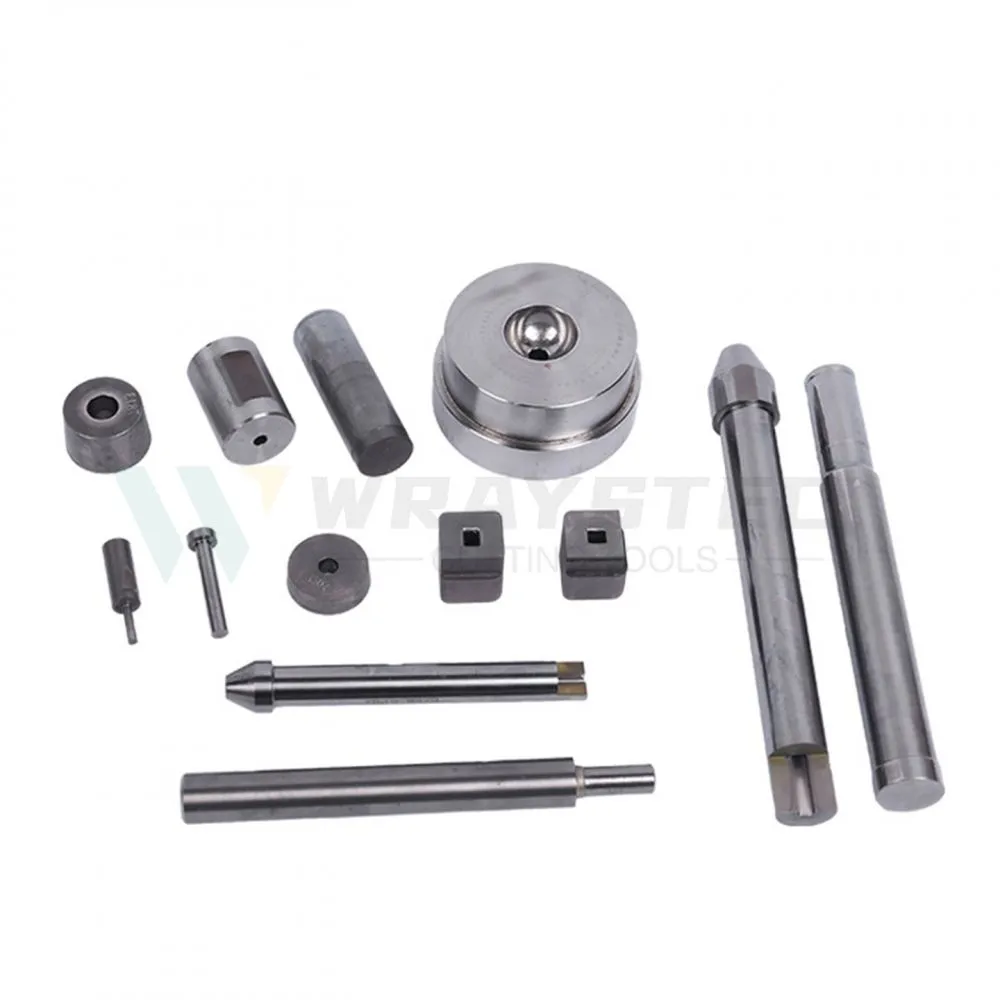
Tungsten carbide wear parts are deployed across the mining and construction workflow:
Drilling and exploration: Carbide buttons and inserts for percussion bits, rotary bits, and raise-boring cutters.
Crushing and screening: Wear plates, impact bars, and rotor tips subjected to high-stress abrasion.
Material handling: Chute liners, hopper wear plates, and conveyor components exposed to continuous abrasive flow.
Ground engaging tools: Bucket teeth, grader blades, and ripper tips for earthmoving equipment.
Each application presents a distinct wear profile. Impact-dominated applications favor tougher, higher-cobalt grades, while pure abrasion favors hardness and fine grain structure. Specifying a single “carbide” for all positions is rarely optimal.
The Role of Grade Consistency
For operations running multiple sites or standardized equipment fleets, grade consistency is as important as absolute performance. A wear part that performs well in one quarry may fail prematurely in another if the geological conditions differ. Working with a supplier who can provide documented, repeatable grade specifications—and who understands the specific wear mechanisms at your site—reduces variability and improves maintenance planning.
Looking Ahead: Recycling and Supply Chain Resilience
Tungsten is a strategically important material, and supply chain volatility has prompted increased investment in recycling programs for spent carbide inserts and wear parts. For end users, this trend offers both environmental benefits and a degree of price stability. Vertically integrated suppliers with recycling capabilities are better positioned to maintain consistent pricing and availability than those reliant on spot markets.
The Bottom Line
Tungsten carbide wear parts are not a commodity purchase. The right grade, correctly applied, can extend service intervals by multiples rather than percentages. The wrong grade—or an inconsistent supply—can erode the very cost savings carbide is meant to deliver. For mining and construction operations, the most effective approach is to treat wear parts as a strategic component of asset management, not merely a consumable line item.
Recently Posted
-
Cemented Carbide Spiral Strips: Material Fundamentals and Grade Selection
October 23, 2026Cemented carbide spiral strips, often referred to in the industry as helical carbide strips or tungsten carbide spiral bars, repre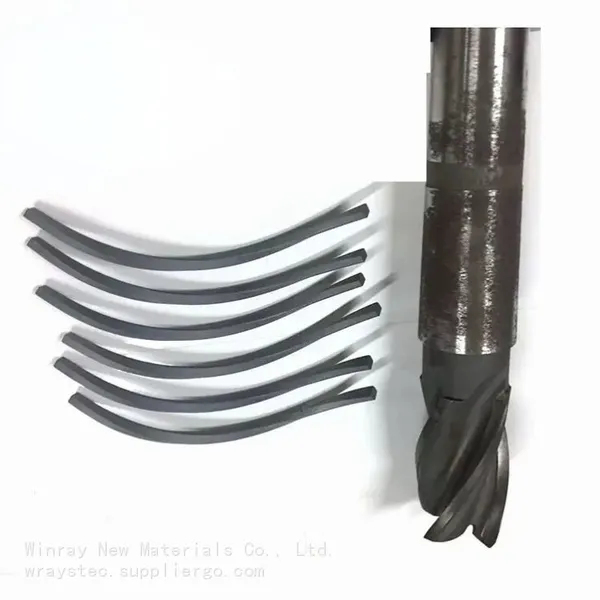 Read More
-
Industrial Applications of Tungsten Carbide Wolf-Tooth Rods — From Oilfields to Mines
October 23, 2026The value of a wear-protection technology is measured not in laboratory hardness numbers but in the field: how many additional hou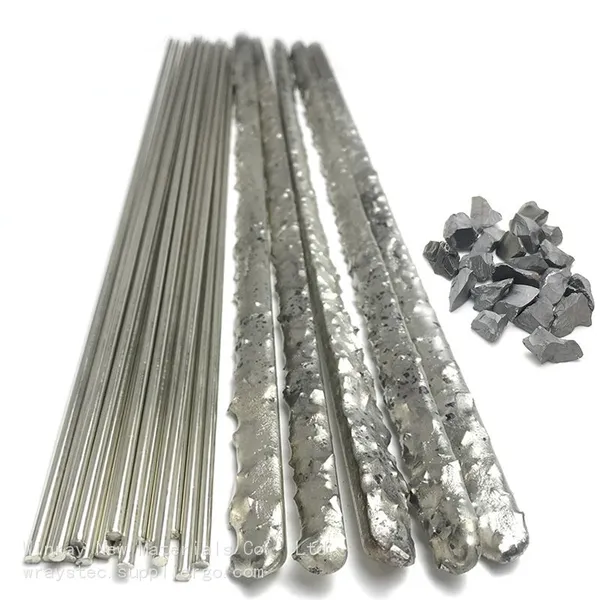 Read More
-
Selecting the Right Carbide Grade for Wear Parts: A Practical Guide
October 22, 2026Not all tungsten carbide is created equal. The performance of a wear part depends heavily on its grade—specifically, the cobalt co Read More
-
Why Tungsten Carbide Outperforms Steel in High-Wear Applications
October 22, 2026When a wear part fails prematurely, the consequences ripple far beyond the cost of the replacement component itself. Unplanned dow Read More

Contact Us
Recommended Products
-
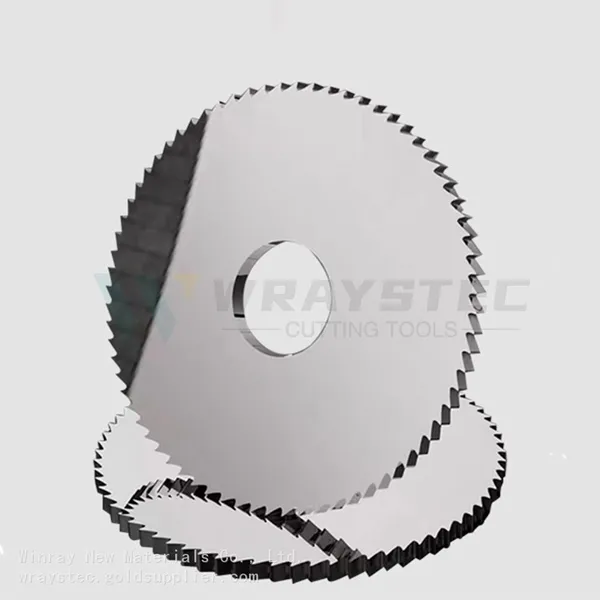
 Solid Carbide Tungsten Steel Circular Saw Blade Milling Cutter Various Outer Diameters Available Dia.100/80/75 Mm.US$ 18 - 28MOQ: 10 Blades
-
CBN (Cubic Boron Nitride) Solid Superhard Cutting Inserts WNMG/CNGN/SNGN/RNGN External Turning Tools RCGX1207US$ 1.05 - 5MOQ: 10 Blades
-
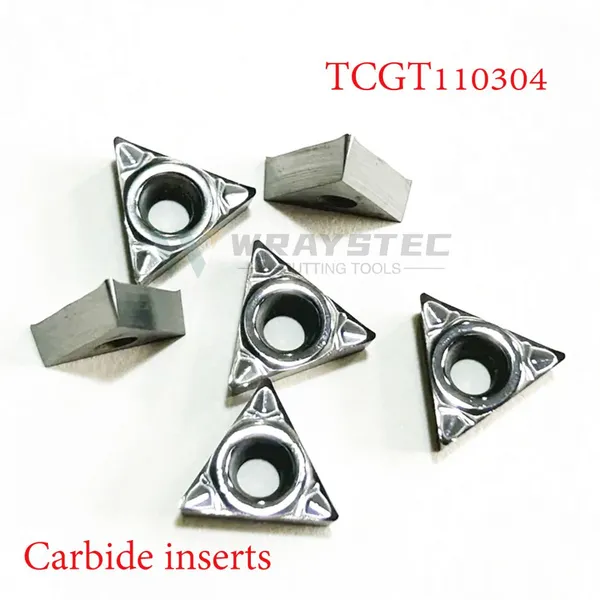
TCGT110304/09/16/02/04/08 Corner-AK Aluminum Inner Bore Machining Insert, Wear-resistant Cutting Tool for Brake Disc Repair.US$ 1.05 - 2MOQ: 10 Pieces
-
PCD/CBN Cemented Carbide Matrix XNEW0903 Diamond Tcgw/Xnew/Tnga CNC Carbide Inserts Substrate Carbide BaseUS$ 1.05 - 5MOQ: 10 Pieces
-
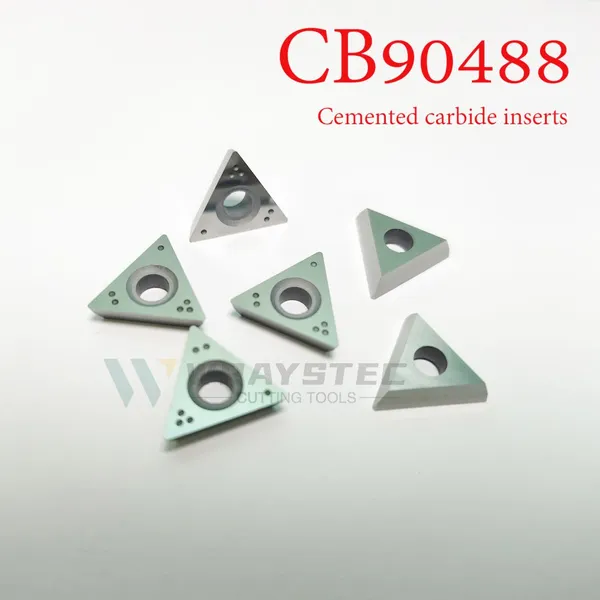
CB90488 Brake Disc C2 Carbide Repair Inserts for Machining Cast Iron and Steel Parts Non-Standard Accuturn Carbide Cutting Tips.US$ 1.35 - 2.82MOQ: 10 Pieces

-
CB6914-10 Brake Disc Repair Carbide Inserts Ammco Replacement for Cast Iron Double-Sided CB6918 Factory CustomizationUS$ 1.05 - 2MOQ: 10 Pieces
-
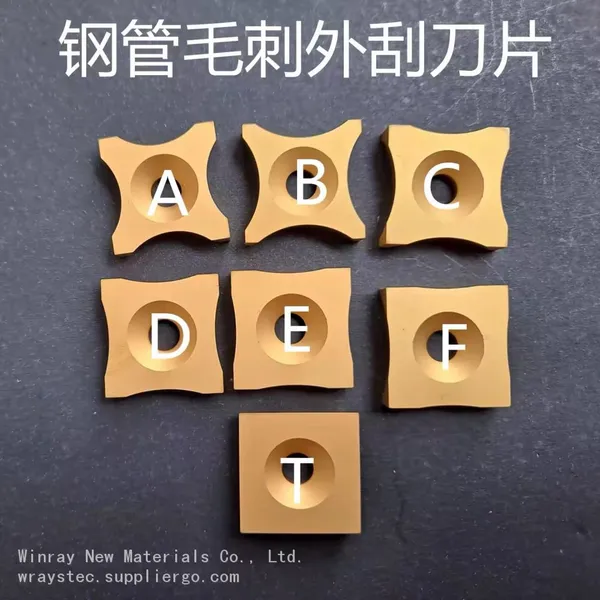
External Scraper for Steel Pipe Burrs (S-SPUB YBC151) – Hexagonal Deburring Tool for Outer Surfaces HEMBNegotiableMOQ: 10 Blades
-
Deburring/skiving Tool for Welded Steel Pipes 13×6×7 mm Wear-Resistant and High-HardnessNegotiableMOQ: 10 Blades
-
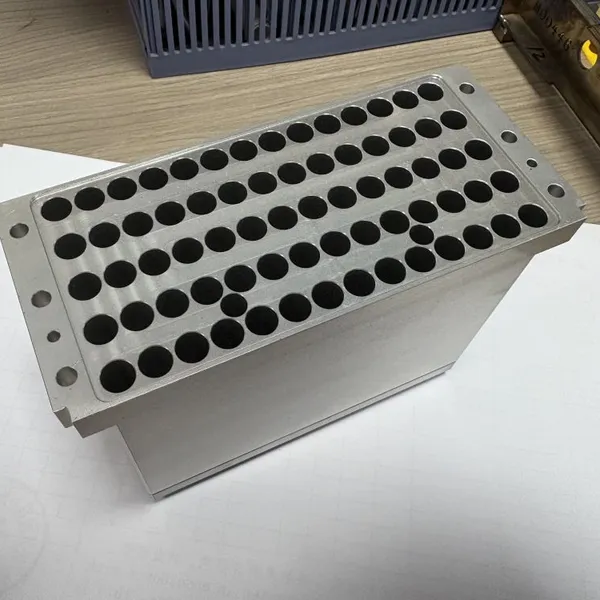
Custom-Made Non-Standard Aluminum Alloy ComponentsNegotiableMOQ: 1 Unit
-
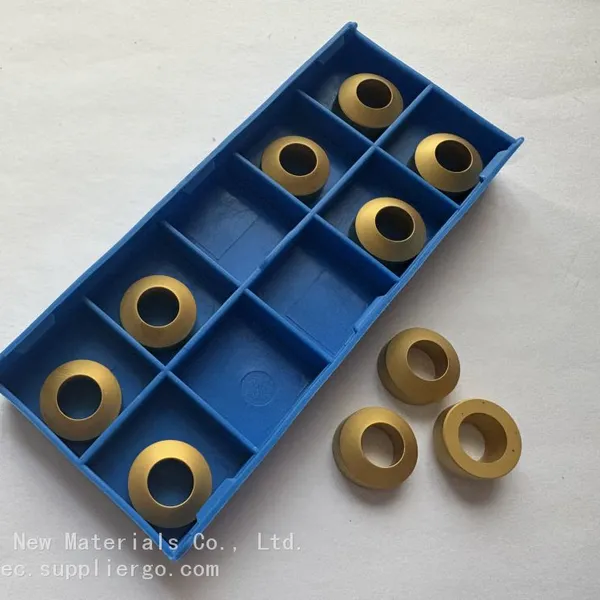
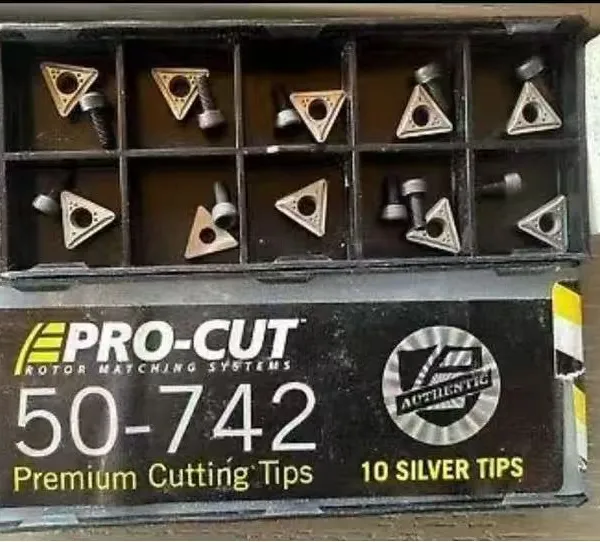
Wear Resistance CB50742 Carbide Bits for Brake Lath Machine TPGX110308 Hi10 for Cast IronUS$ 1.05 - 2MOQ: 10 Blades

-
Wear-resistant Cemented Carbide Stamping ComponentsNegotiableMOQ: 1 Unit
-
YG11 Tungsten Carbide Heavy-Duty Wear RingNegotiableMOQ: 1 Unit
-
C2 Ammco Positive Rake Carbide Bits for RELS Model 45016 R08/10/12 RadiusUS$ 2.5 - 3MOQ: 50 Blades
-
C2 Ammco Positive Rake Carbide Bits for RELS Model Brake Lathe 45016 RELS Carbide Bits RelacementsUS$ 2.5 - 3MOQ: 50 Blades
-
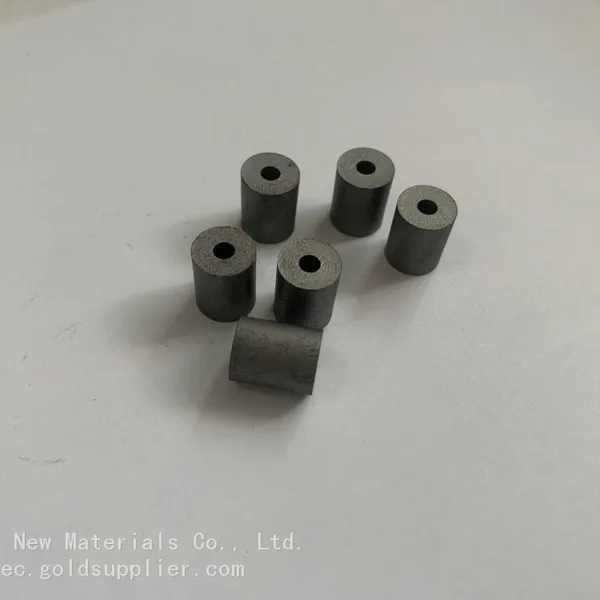
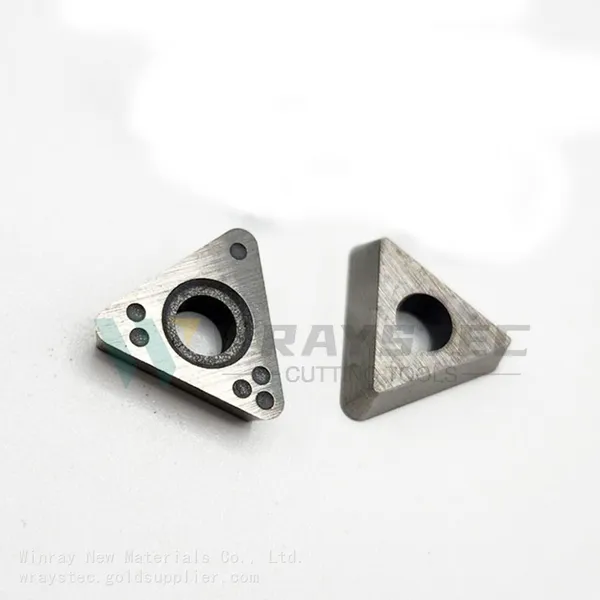
Holder Number 45703 Inserts Number CB90488 Replaces Accuturn Carbide Bit for Hard SteelUS$ 1.35 - 2.82MOQ: 10 Blades
-
CB90488 Replaces Accuturn Part Number 433796 Fits Accuturn Tool Holders: 433763, 433764, 434056, 434057, 434286, 433779US$ 1.35 - 2.82MOQ: 10 Blades
-
CB90488 Positive Rake Carbide Inserts for Accuturn Models 8911, 8922, 8944, 8989, 8991, 8993US$ 1.35 - 2.82MOQ: 10 Blades
-
Ammco 6914 Insert Can be Used on 6 Edges With Ammco Twin Cutter (6950)/ RELS Twin Cutter (40095) /negative Rake Tool Holder Set # 45701US$ 1.05 - 2MOQ: 10 Blades
-
Negative Rake Carbide Inserts For Ammco Models 4000, 4100, 7000 Lathes CB6914/6918-10US$ 1.05 - 2MOQ: 10 Blades
-
Positive Rake Carbide Bits for Ammco Model 2000 Brake Lathe CB6914-10US$ 1.05 - 2MOQ: 10 Blades