 Business License

Industrial Applications of Tungsten Carbide Wolf-Tooth Rods — From Oilfields to Mines
The value of a wear-protection technology is measured not in laboratory hardness numbers but in the field: how many additional hours of service before replacement, how many avoided shutdowns, how much reduced downtime. Tungsten carbide wolf-tooth rods have earned their place in some of the most punishing industrial environments on earth—oil and gas drilling, underground mining, geological exploration, and heavy construction. This article surveys the principal application domains and explains why the composite carbide overlay outperforms alternatives in each.
Oil and Gas Drilling: Stabilizers, Drill Collars, and Downhole Tools
In directional and horizontal drilling, stabilizers are among the most wear-critical components in the bottom-hole assembly. Their blades must maintain gauge diameter against abrasive rock while rotating at high speed under high weight-on-bit. A worn stabilizer loses its ability to control wellbore trajectory, leading to doglegs, increased torque and drag, and in severe cases, a lost hole. Tungsten carbide wolf-tooth overlays are applied to stabilizer blades to restore and extend gauge life .
The application is technically demanding. The overlay must bond metallurgically to the steel blade, withstand the thermal cycling of repeated runs, and resist not only abrasion but also the impact of ledges and junk in the hole. YD-3 grade, with finer carbide granules (2–3 mm), is typically selected for stabilizers and drill pipe wear bands, where a smoother finish and resistance to erosion are priorities . For drill pipe hardbanding, the wolf-tooth rod competes with conventional hardbanding wires, but offers significantly higher wear resistance in the most severe casing-wear zones.
Downhole milling tools—milling shoes, flat-bottom mills, and junk mills—present a different challenge. These tools must grind up metal debris (lost circulation material, failed tools, casing sections) while enduring extreme impact and abrasion. Coarser grades such as YD-6.5 or YD-8 are employed, where the larger carbide granules provide maximum resistance to the gouging and scraping action of the milling process .
Mining: Coal Cutting, Rock Drilling, and Bucket Protection
Underground coal mining subjects cutting tools to combined abrasion and impact that rapidly destroys conventional steels. Shearer picks and continuous miner bits are routinely rebuilt with carbide overlays to extend service life. The wolf-tooth rod’s ability to be applied in the field—rather than requiring a furnace or specialized welding cell—makes it practical for mine-site maintenance shops.
In hard-rock mining, raise boring and raise drilling tools experience some of the highest wear rates in the industry. Cutters and saddles protected with YD-type overlays maintain profile longer, reducing the frequency of re-cutterization. Similarly, bucket teeth and lip shrouds on loaders and excavators in abrasive ore handling benefit from the thick, carbide-rich deposit that the wolf-tooth rod provides .
A notable advantage in mining is the rod’s tolerance for less-than-ideal surface preparation. While best practice demands clean, bright metal, the flux system and backing electrode accommodate the moderately contaminated surfaces typical of field maintenance, where components cannot be brought to a controlled workshop environment.
Geological Exploration and Construction
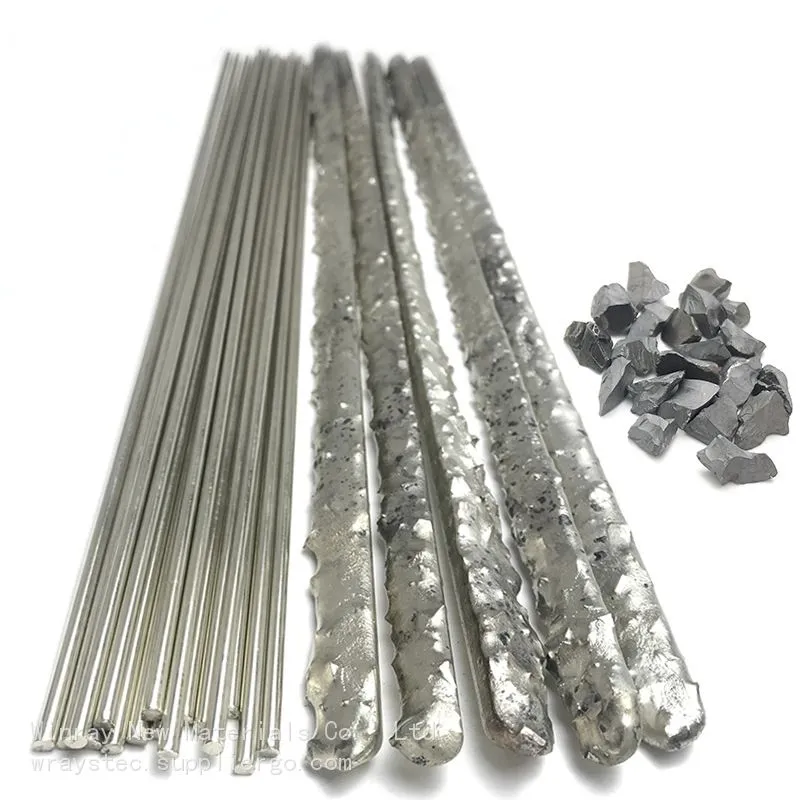
Core drilling in geological exploration uses core bits and reaming shells that must maintain diameter through abrasive formations. The wolf-tooth rod’s fine-grade variants (YD-3, YD-5) are used to hardface the leading edges and gauge surfaces, extending bit life between trips. In construction, piling augers and drilling buckets for foundation work encounter variable ground conditions—sand, gravel, cobbles, and weathered rock—that wear flighting and teeth rapidly. Overlays applied with YD-5 or YD-6.5 provide a durable wear surface that can be renewed repeatedly as the tool wears .
Agriculture and Bulk Material Handling
While the headline applications are in heavy industry, the wolf-tooth rod also serves in feed hammer mills , where the carbide overlay resists the abrasive wear of grinding grain and mineral supplements. Plowshares and cultivator sweeps in abrasive soils benefit from YD-3 and YD-12 overlays, reducing draft force as worn edges are avoided and extending the interval between replacements .
Why the Composite Overlay Wins in These Applications
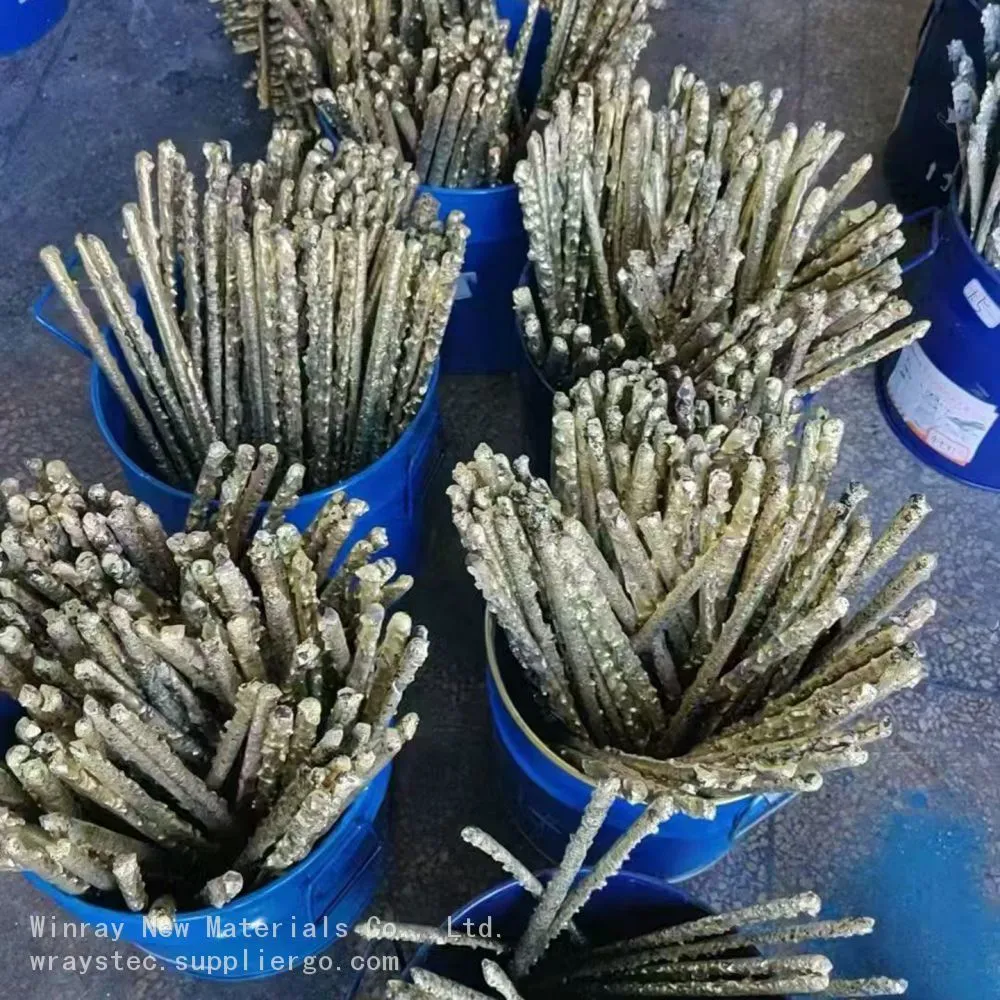
The common thread across all these applications is combined abrasion and impact. Pure abrasion resistance alone—achieved by, for example, chromium carbide overlays—is insufficient where the wear surface also experiences repeated blows or scraping forces. The carbide granules in a wolf-tooth deposit are supported by a matrix that deforms slightly under impact, distributing stress and preventing the brittle carbides from fracturing. In field comparisons, YD-type overlays routinely outlast conventional hardfacing by factors of three to five in such conditions, translating directly into reduced downtime and lower consumable costs per ton of material handled.
Limitations and Practical Considerations
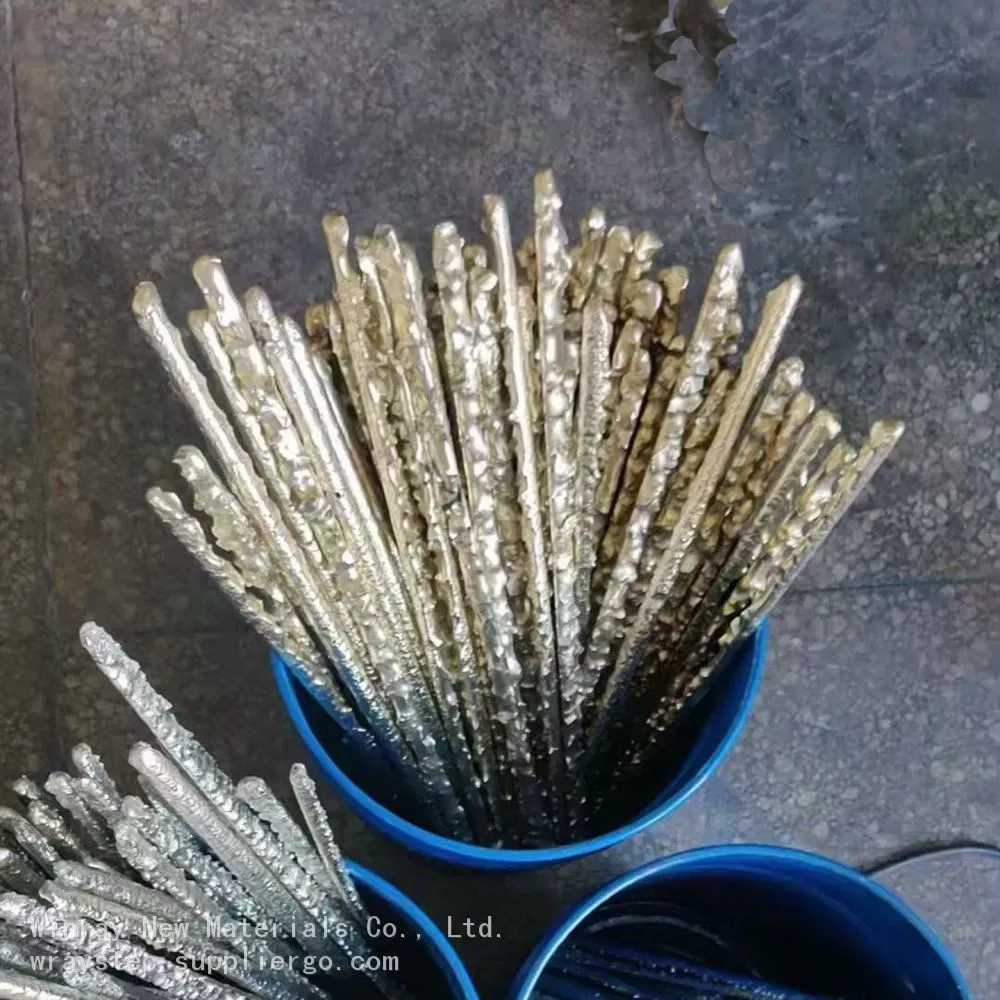
The wolf-tooth rod is not a universal solution. The deposited surface is rough and cannot be used where sealing or smooth flow is required. The oxy-acetylene deposition process is slower than arc welding, limiting throughput in high-volume operations. And the cost per kilogram of the composite rod is substantially higher than conventional electrodes—a premium justified only where the wear rate is severe enough that extended life outweighs consumable cost. Field experience consistently shows that the economics favor the wolf-tooth rod when component replacement requires significant labor or when downtime costs exceed the consumable price differential by an order of magnitude, which is typical in drilling and mining operations.
Recently Posted
-
Cemented Carbide Spiral Strips: Material Fundamentals and Grade Selection
October 23, 2026Cemented carbide spiral strips, often referred to in the industry as helical carbide strips or tungsten carbide spiral bars, repre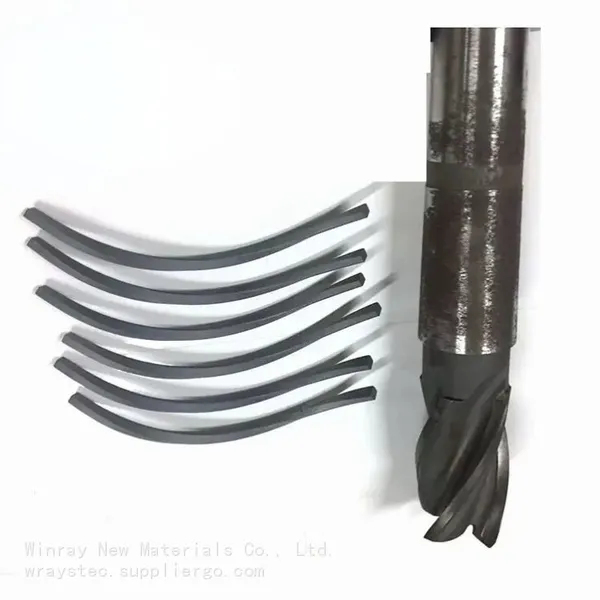 Read More
-
Tungsten Carbide Wear Parts in Mining and Construction: Reducing Total Cost of Ownership
October 22, 2026In mining and construction, equipment availability directly determines profitability. A drill bit that wears out mid-shift or a we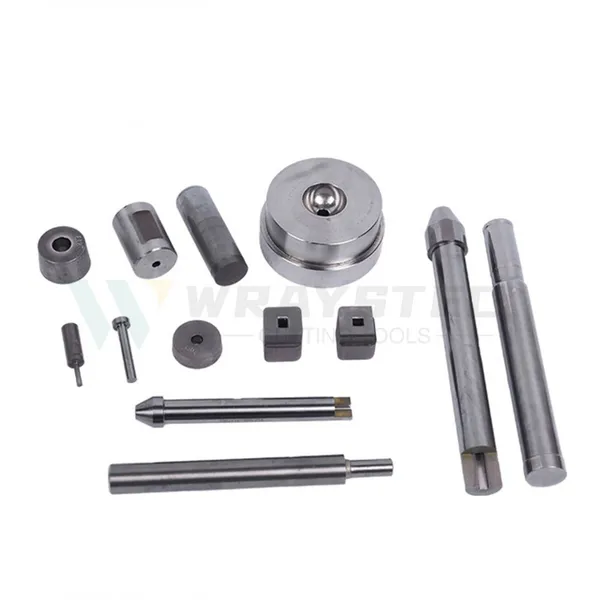 Read More
-
Selecting the Right Carbide Grade for Wear Parts: A Practical Guide
October 22, 2026Not all tungsten carbide is created equal. The performance of a wear part depends heavily on its grade—specifically, the cobalt co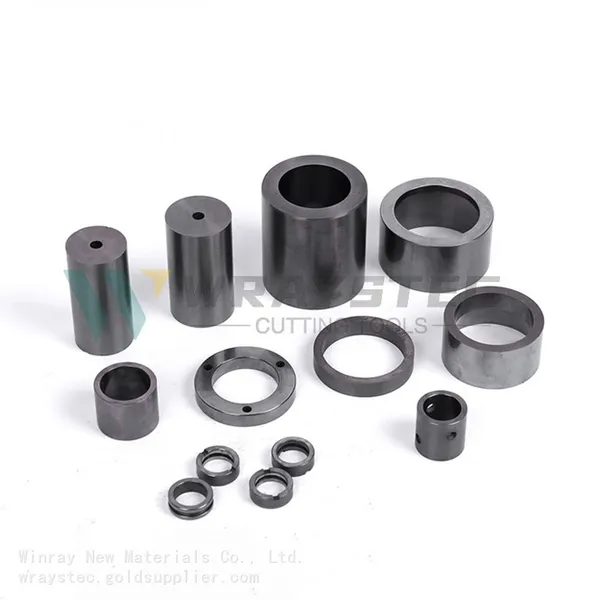 Read More
-
Why Tungsten Carbide Outperforms Steel in High-Wear Applications
October 22, 2026When a wear part fails prematurely, the consequences ripple far beyond the cost of the replacement component itself. Unplanned dow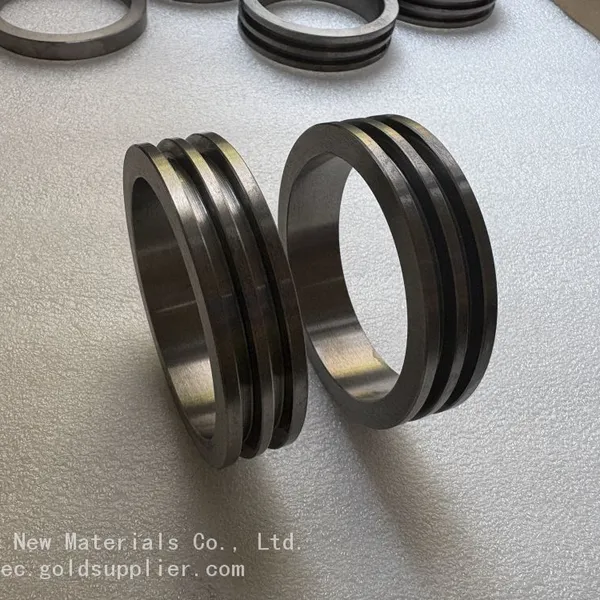 Read More

Contact Us
Recommended Products
-
 Solid Carbide Tungsten Steel Circular Saw Blade Milling Cutter Various Outer Diameters Available Dia.100/80/75 Mm.US$ 18 - 28MOQ: 10 Blades
-
CBN (Cubic Boron Nitride) Solid Superhard Cutting Inserts WNMG/CNGN/SNGN/RNGN External Turning Tools RCGX1207US$ 1.05 - 5MOQ: 10 Blades
-
TCGT110304/09/16/02/04/08 Corner-AK Aluminum Inner Bore Machining Insert, Wear-resistant Cutting Tool for Brake Disc Repair.US$ 1.05 - 2MOQ: 10 Pieces
-
PCD/CBN Cemented Carbide Matrix XNEW0903 Diamond Tcgw/Xnew/Tnga CNC Carbide Inserts Substrate Carbide BaseUS$ 1.05 - 5MOQ: 10 Pieces
-
CB90488 Brake Disc C2 Carbide Repair Inserts for Machining Cast Iron and Steel Parts Non-Standard Accuturn Carbide Cutting Tips.US$ 1.35 - 2.82MOQ: 10 Pieces

-
CB6914-10 Brake Disc Repair Carbide Inserts Ammco Replacement for Cast Iron Double-Sided CB6918 Factory CustomizationUS$ 1.05 - 2MOQ: 10 Pieces
-
External Scraper for Steel Pipe Burrs (S-SPUB YBC151) – Hexagonal Deburring Tool for Outer Surfaces HEMBNegotiableMOQ: 10 Blades
-
Deburring/skiving Tool for Welded Steel Pipes 13×6×7 mm Wear-Resistant and High-HardnessNegotiableMOQ: 10 Blades
-
Custom-Made Non-Standard Aluminum Alloy ComponentsNegotiableMOQ: 1 Unit
-
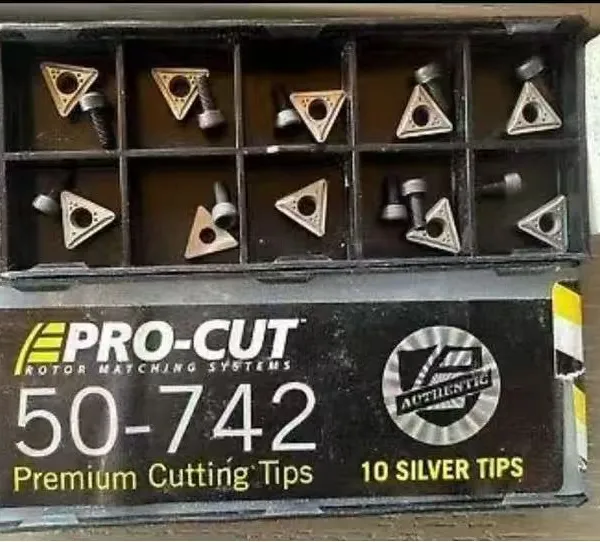
Wear Resistance CB50742 Carbide Bits for Brake Lath Machine TPGX110308 Hi10 for Cast IronUS$ 1.05 - 2MOQ: 10 Blades

-
Wear-resistant Cemented Carbide Stamping ComponentsNegotiableMOQ: 1 Unit
-
YG11 Tungsten Carbide Heavy-Duty Wear RingNegotiableMOQ: 1 Unit
-
C2 Ammco Positive Rake Carbide Bits for RELS Model 45016 R08/10/12 RadiusUS$ 2.5 - 3MOQ: 50 Blades
-
C2 Ammco Positive Rake Carbide Bits for RELS Model Brake Lathe 45016 RELS Carbide Bits RelacementsUS$ 2.5 - 3MOQ: 50 Blades
-
Holder Number 45703 Inserts Number CB90488 Replaces Accuturn Carbide Bit for Hard SteelUS$ 1.35 - 2.82MOQ: 10 Blades
-
CB90488 Replaces Accuturn Part Number 433796 Fits Accuturn Tool Holders: 433763, 433764, 434056, 434057, 434286, 433779US$ 1.35 - 2.82MOQ: 10 Blades
-
CB90488 Positive Rake Carbide Inserts for Accuturn Models 8911, 8922, 8944, 8989, 8991, 8993US$ 1.35 - 2.82MOQ: 10 Blades
-
Ammco 6914 Insert Can be Used on 6 Edges With Ammco Twin Cutter (6950)/ RELS Twin Cutter (40095) /negative Rake Tool Holder Set # 45701US$ 1.05 - 2MOQ: 10 Blades
-
Negative Rake Carbide Inserts For Ammco Models 4000, 4100, 7000 Lathes CB6914/6918-10US$ 1.05 - 2MOQ: 10 Blades
-
Positive Rake Carbide Bits for Ammco Model 2000 Brake Lathe CB6914-10US$ 1.05 - 2MOQ: 10 Blades