 Business License

Cemented Carbide Spiral Strips: Material Fundamentals and Grade Selection
Cemented carbide spiral strips, often referred to in the industry as helical carbide strips or tungsten carbide spiral bars, represent a specialized product form within the broader family of cemented carbide tool materials. Unlike standard rectangular strips or solid rods, these components are manufactured with a pre-formed helical geometry, allowing toolmakers to braze them directly into milled flutes on tool bodies for the production of helical milling cutters, reamers, and specialized rotary cutting tools. Understanding the metallurgical foundation and grade selection logic for these strips is essential for achieving optimal performance in demanding machining operations.
The fundamental composition of cemented carbide has remained remarkably consistent since its industrial introduction: tungsten carbide (WC) particles, typically constituting 85% to 95% of the material by weight, are cemented together by a metallic binder phase, most commonly cobalt (Co) at levels between 6% and 15% . The Chinese national standard GB/T 18376-2014 formalizes this composition for cutting tool materials, specifying WC content typically above 85% with cobalt in the 6–15% range, alongside optional additions of titanium carbide (TiC) and tantalum carbide (TaC) for specific application classes . For spiral strips intended for brazed tool assembly, the most common grades fall within the ISO K series, particularly YG8 (WC-8%Co) and related compositions, which offer an advantageous balance of wear resistance and toughness for interrupted cutting conditions.
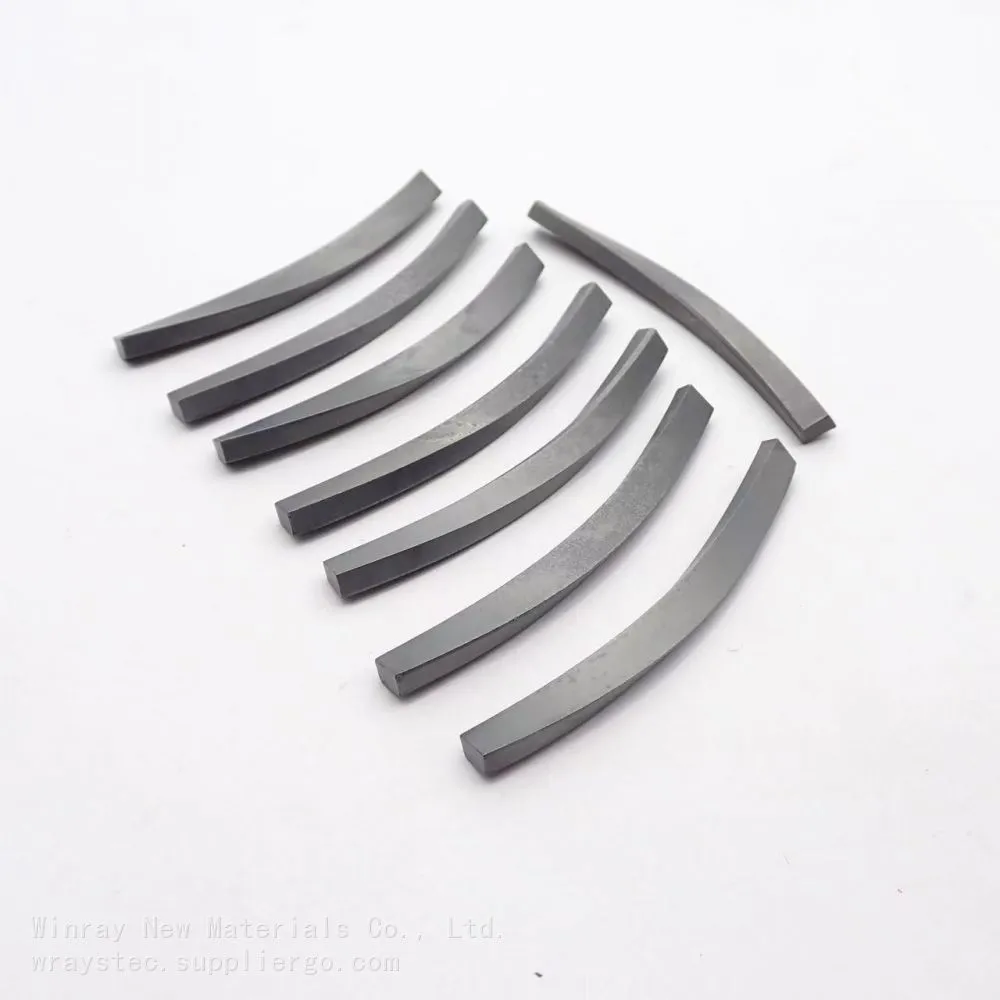
The properties that make cemented carbide suitable for spiral strip applications derive directly from its powder metallurgy origins. Hardness values for standard grades typically fall within the HRA 85–93 range, decreasing as cobalt content increases . For a representative YG8 grade (WC-8%Co), manufacturers report a density of approximately 14.8 g/cm³ and hardness around HRA 89.5, with bending strength values sufficient to withstand the mechanical stresses of milling operations . The relationship between cobalt content and performance is fundamentally a trade-off: higher cobalt improves toughness and resistance to impact, while lower cobalt enhances wear resistance at the expense of brittleness. This balance becomes particularly critical for spiral strips, which must survive the thermal stresses of brazing and the cyclic mechanical loads of interrupted cutting without exhibiting chipping or premature fracture.
Grade selection for spiral strips must account for the workpiece material and cutting conditions. The ISO K classification, which includes grades with pure WC-Co compositions and minimal mixed carbide additions, is primarily intended for cast iron, non-ferrous metals, and non-metallic materials . Within this classification, finer grain sizes produce higher hardness and wear resistance, while coarser grades offer improved toughness. For machining stainless steel and heat-resistant alloys, grades with appropriate TiC or TaC additions (falling into the ISO M or P categories) may be preferred, though the brazing process and helical geometry impose additional constraints on thermal expansion compatibility and transverse rupture strength.
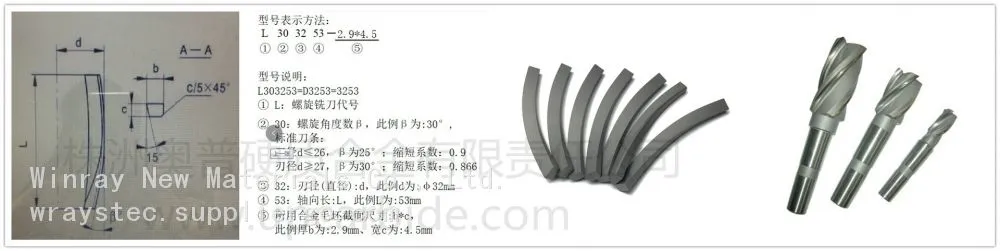
The manufacturing route for spiral strips differs meaningfully from that of standard carbide products. The process involves pressing and sintering WC-Co powder into a straight strip form, followed by a high-temperature shaping operation in which the sintered strip is heated to a temperature at which it becomes pliable enough to be deformed into a helical profile within a graphite mold . This thermo-mechanical shaping step introduces residual stresses and microstructural considerations that distinguish spiral strips from their straight counterparts. Manufacturers typically employ vacuum sintering or hot isostatic pressing (HIP) to minimize porosity and ensure uniform density, with ultrasonic testing applied to finished strips to detect internal defects that could compromise brazed joint integrity or tool life .
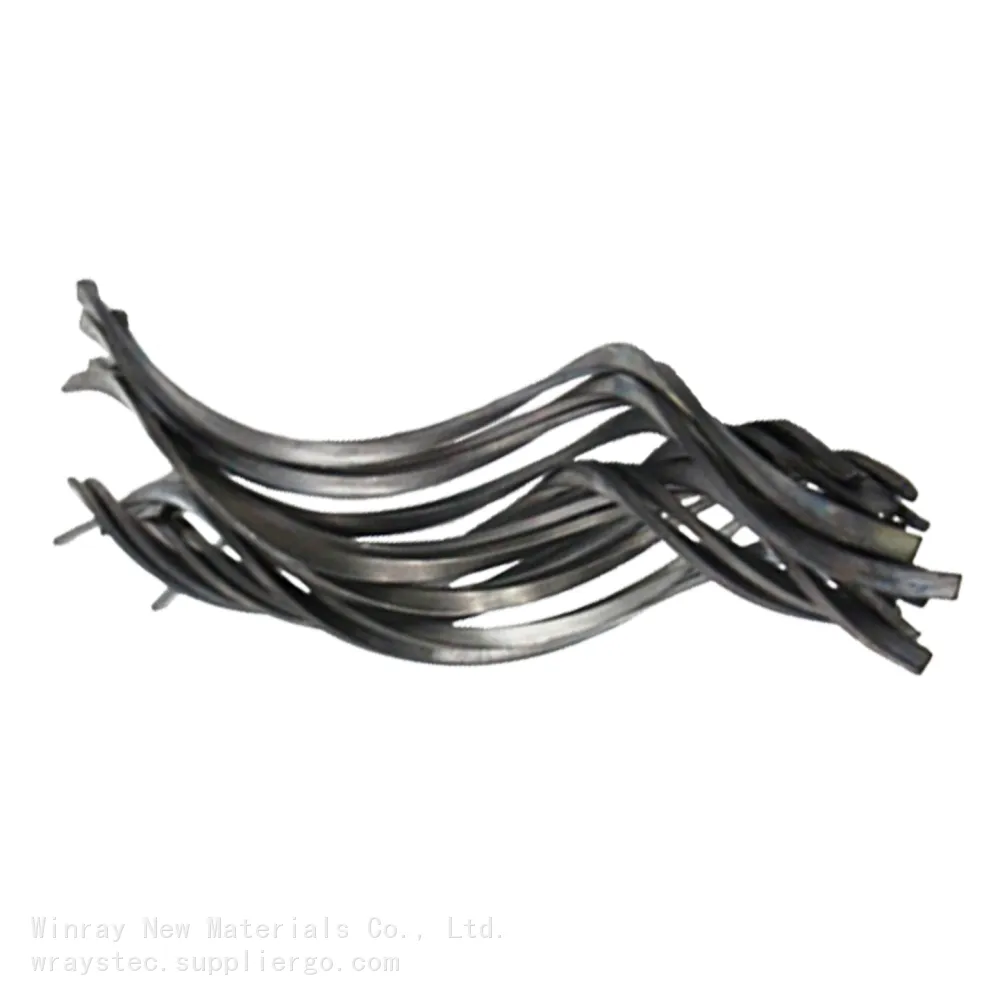
Quality control for spiral strips extends beyond basic density and hardness measurements. The helical angle, cross-sectional dimensions, and straightness of the strip are critical for ensuring proper fit within the milled flute of the tool body. Industry standards for these products, such as the Chinese YS/T 413 standard for carbide spiral blades, specify dimensional tolerances and introduce fit-rate inspection against standard gauges to verify that the helical geometry matches the intended flute profile . A strip that deviates from the specified helix angle or exhibits excessive distortion will produce poor brazed joints, uneven cutting edge geometry after grinding, and ultimately inferior tool performance. For toolmakers, the selection of a reputable spiral strip supplier is therefore as much about geometric consistency and metallurgical cleanliness as it is about grade specification alone.
Recently Posted
-
Industrial Applications of Tungsten Carbide Wolf-Tooth Rods — From Oilfields to Mines
October 23, 2026The value of a wear-protection technology is measured not in laboratory hardness numbers but in the field: how many additional hou Read More
-
Tungsten Carbide Wear Parts in Mining and Construction: Reducing Total Cost of Ownership
October 22, 2026In mining and construction, equipment availability directly determines profitability. A drill bit that wears out mid-shift or a we Read More
-
Selecting the Right Carbide Grade for Wear Parts: A Practical Guide
October 22, 2026Not all tungsten carbide is created equal. The performance of a wear part depends heavily on its grade—specifically, the cobalt co Read More
-
Why Tungsten Carbide Outperforms Steel in High-Wear Applications
October 22, 2026When a wear part fails prematurely, the consequences ripple far beyond the cost of the replacement component itself. Unplanned dow Read More

Contact Us
Recommended Products
-
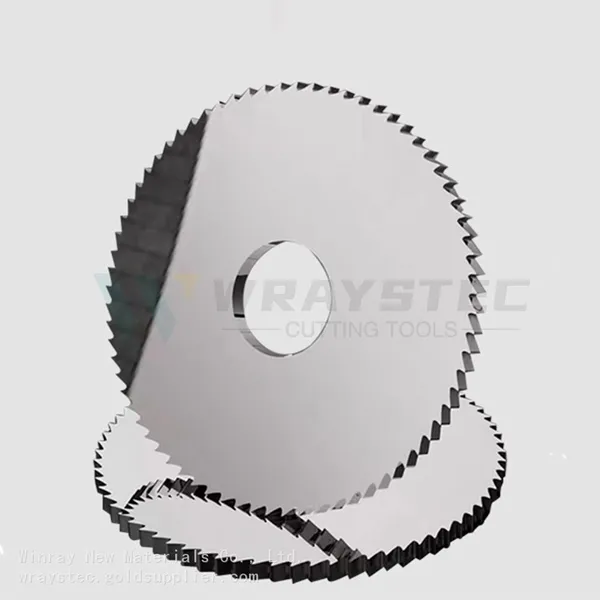
 Solid Carbide Tungsten Steel Circular Saw Blade Milling Cutter Various Outer Diameters Available Dia.100/80/75 Mm.US$ 18 - 28MOQ: 10 Blades
-
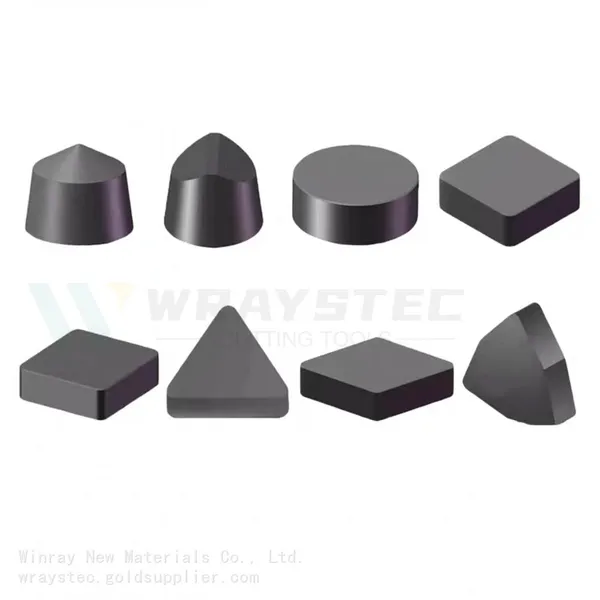
CBN (Cubic Boron Nitride) Solid Superhard Cutting Inserts WNMG/CNGN/SNGN/RNGN External Turning Tools RCGX1207US$ 1.05 - 5MOQ: 10 Blades
-
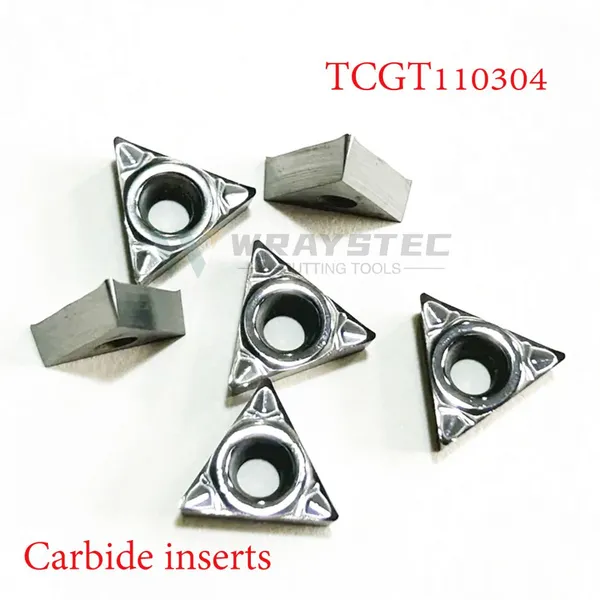
TCGT110304/09/16/02/04/08 Corner-AK Aluminum Inner Bore Machining Insert, Wear-resistant Cutting Tool for Brake Disc Repair.US$ 1.05 - 2MOQ: 10 Pieces
-
PCD/CBN Cemented Carbide Matrix XNEW0903 Diamond Tcgw/Xnew/Tnga CNC Carbide Inserts Substrate Carbide BaseUS$ 1.05 - 5MOQ: 10 Pieces
-
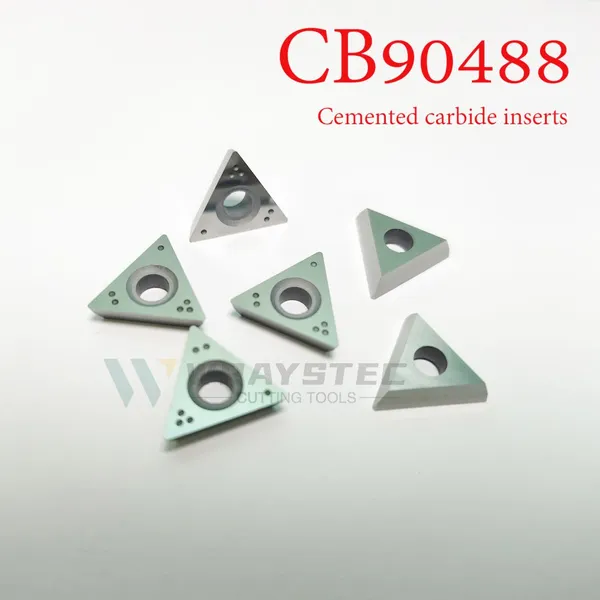
CB90488 Brake Disc C2 Carbide Repair Inserts for Machining Cast Iron and Steel Parts Non-Standard Accuturn Carbide Cutting Tips.US$ 1.35 - 2.82MOQ: 10 Pieces

-
CB6914-10 Brake Disc Repair Carbide Inserts Ammco Replacement for Cast Iron Double-Sided CB6918 Factory CustomizationUS$ 1.05 - 2MOQ: 10 Pieces
-
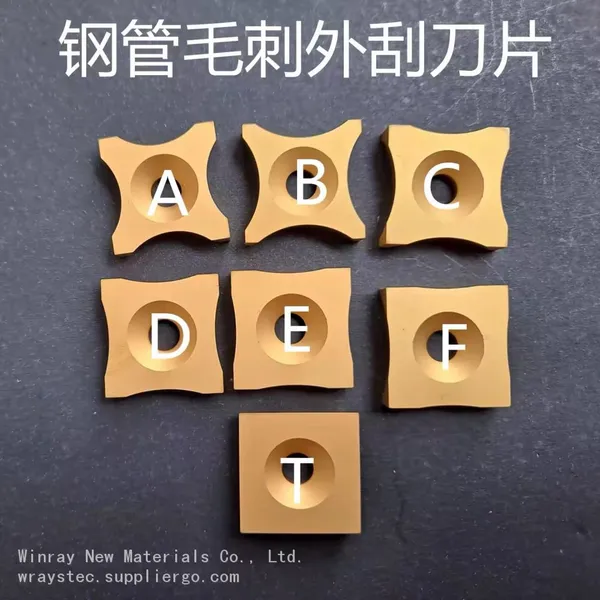
External Scraper for Steel Pipe Burrs (S-SPUB YBC151) – Hexagonal Deburring Tool for Outer Surfaces HEMBNegotiableMOQ: 10 Blades
-
Deburring/skiving Tool for Welded Steel Pipes 13×6×7 mm Wear-Resistant and High-HardnessNegotiableMOQ: 10 Blades
-
Custom-Made Non-Standard Aluminum Alloy ComponentsNegotiableMOQ: 1 Unit
-
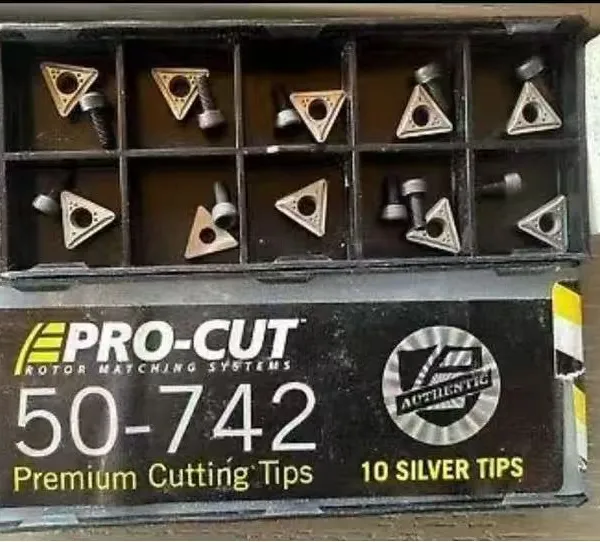
Wear Resistance CB50742 Carbide Bits for Brake Lath Machine TPGX110308 Hi10 for Cast IronUS$ 1.05 - 2MOQ: 10 Blades

-
Wear-resistant Cemented Carbide Stamping ComponentsNegotiableMOQ: 1 Unit
-
YG11 Tungsten Carbide Heavy-Duty Wear RingNegotiableMOQ: 1 Unit
-
C2 Ammco Positive Rake Carbide Bits for RELS Model 45016 R08/10/12 RadiusUS$ 2.5 - 3MOQ: 50 Blades
-
C2 Ammco Positive Rake Carbide Bits for RELS Model Brake Lathe 45016 RELS Carbide Bits RelacementsUS$ 2.5 - 3MOQ: 50 Blades
-
Holder Number 45703 Inserts Number CB90488 Replaces Accuturn Carbide Bit for Hard SteelUS$ 1.35 - 2.82MOQ: 10 Blades
-
CB90488 Replaces Accuturn Part Number 433796 Fits Accuturn Tool Holders: 433763, 433764, 434056, 434057, 434286, 433779US$ 1.35 - 2.82MOQ: 10 Blades
-
CB90488 Positive Rake Carbide Inserts for Accuturn Models 8911, 8922, 8944, 8989, 8991, 8993US$ 1.35 - 2.82MOQ: 10 Blades
-
Ammco 6914 Insert Can be Used on 6 Edges With Ammco Twin Cutter (6950)/ RELS Twin Cutter (40095) /negative Rake Tool Holder Set # 45701US$ 1.05 - 2MOQ: 10 Blades
-
Negative Rake Carbide Inserts For Ammco Models 4000, 4100, 7000 Lathes CB6914/6918-10US$ 1.05 - 2MOQ: 10 Blades
-
Positive Rake Carbide Bits for Ammco Model 2000 Brake Lathe CB6914-10US$ 1.05 - 2MOQ: 10 Blades