
 Business License

Why “One Piece” Is the Most Important Number in Custom Carbide
In manufacturing, quantity is usually power. Large orders get better pricing, priority scheduling, and dedicated attention. But for tungsten carbide custom components, the most important quantity is often the smallest one: one piece. The ability to produce a single custom part—for a prototype, a repair, or a validation test—is what separates a true custom supplier from a catalog house with a custom department.
One piece is the unit of learning. A design engineer developing a new wear-resistant assembly cannot validate a concept with a catalog part that is “close.” The assembly either works with the specified material and geometry, or it does not. A single custom part provides that answer. If it works, the design is validated and volume production can proceed. If it fails, the failure mode is analyzed and the design is revised. The cost of the single part is trivial compared to the cost of a design error discovered after tooling has been cut for a thousand units.
One piece is the unit of repair. A critical pump fails. The OEM part is weeks away. A custom carbide manufacturer receives the worn part, measures it, produces a replacement in the correct grade, and ships it. The pump is back online before the OEM would have even acknowledged the order. The value of that single part is not its manufacturing cost—it is the production hours it recovers.
One piece is the unit of trust. A buyer considering a new carbide supplier does not want to commit to a large order on faith. A single custom part, produced to specification and delivered on time, is the proof. The buyer can inspect the dimensions, install the part, and observe its performance. If the supplier can do one piece right, they can do a thousand pieces right. If they cannot, the buyer has lost little.
Many carbide manufacturers now advertise one-piece customization because they understand its strategic value. It is not a loss leader or a marketing gimmick. It is the most honest test of a supplier’s engineering capability, production flexibility, and quality control. A catalog can hide weaknesses in grade selection and process control. A single custom part cannot. It either meets the drawing and performs in service, or it does not.
For buyers, the message is simple: ask for the one-piece option. The supplier’s response tells you everything you need to know about their capability.
Recently Posted
-
Carbide Punch Pins in Progressive Die Piercing of Sheet Metal
November 18, 20261. Progressive Die Punch Pin Loads at 300 Strokes a Minute A progressive die punch pin does not do one job. It does the job of its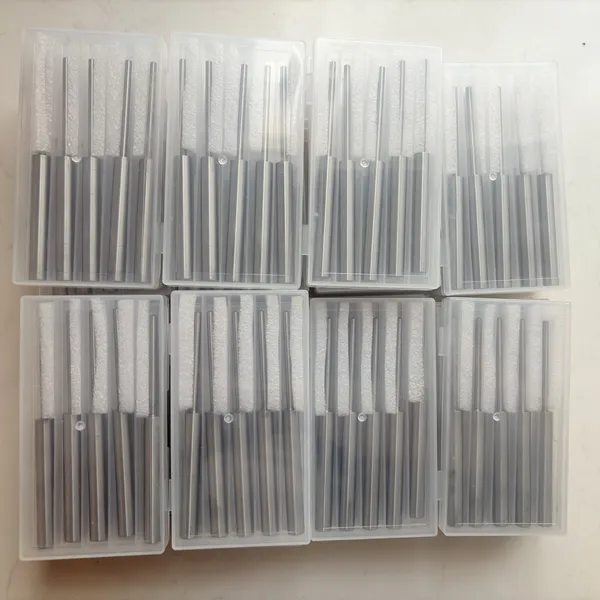 Read More
-
How to Order Custom Carbide Punch Pins From a Drawing
November 17, 20261. Why a Punch Pin Drawing Carries More Than a Part Number A part number describes a pin that already exists. Beyond the standard
Read More -
Solid Carbide Punch Pin vs Coated Punch: Which Holds Diameter Longer
November 17, 20261. Why a Solid Carbide Punch Pin and a Coated Punch Are Compared Wrong A solid carbide punch pin is usually compared with a coated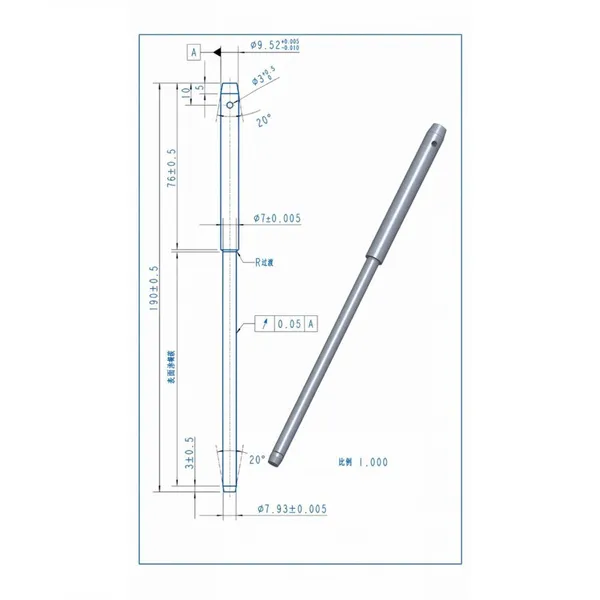 Read More
-
Carbide Punch Pin vs HSS Punch: Wear Life per 100,000 Strokes
November 17, 20261. Why Punch Cost per Stroke Is a Better Question Than Pins per Year A terminal stamper a while back asked us to quote a punch pin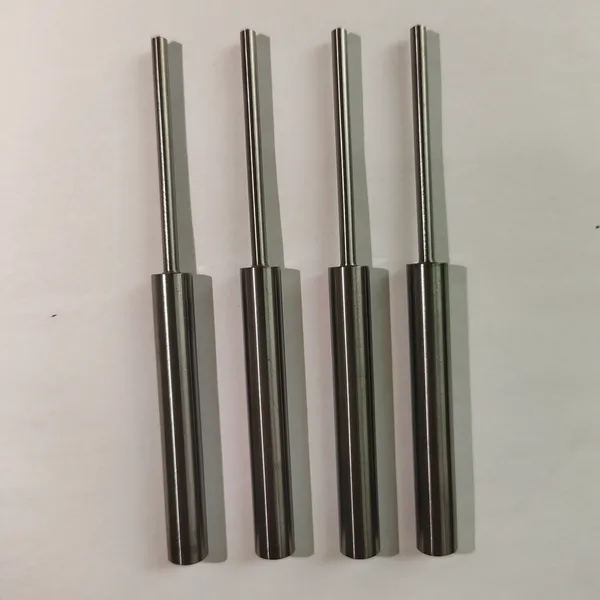 Read More

Contact Us
Recommended Products
-
 Non-Magnetic Nickel-Bonded Cemented Carbide Molds, Submicron Grain, Mirror Polished CavitiesNegotiableMOQ: 1 Blade
-
Non-Magnetic Carbide Grades for Specialized MoldsNegotiableMOQ: 1 Unit
-
Tungsten Carbide Punches HRA 90.5 Co 10% +/-0.002 mm Tolerance Mirror-Polished for Stamping DiesNegotiableMOQ: 1 Unit
-
Custom Carbide Strips and Round Blanks With 0.05mm Flatness for Machine ToolingNegotiableMOQ: 1 Unit
-
Custom Cemented Carbide Blanks ISO Standard Compliant With Ra 0.4 Surface FinishNegotiableMOQ: 1 Unit
-
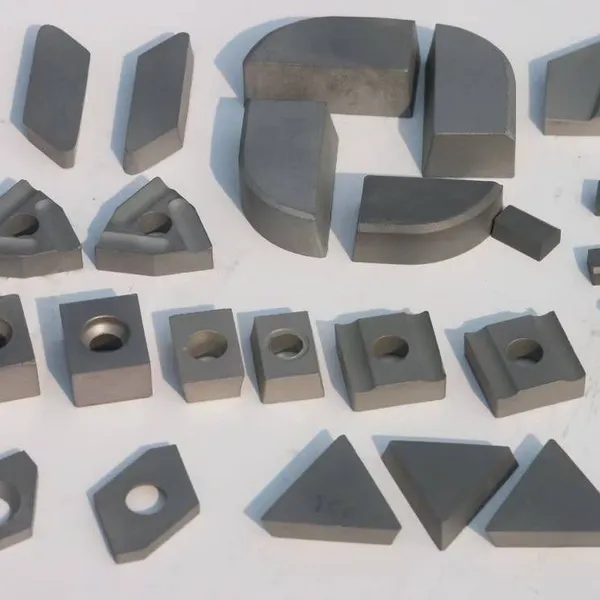
Precision Ground Carbide Inserts and Blanks – Custom Grades and Tolerances up to ±0.01mmNegotiableMOQ: 1 Unit
-
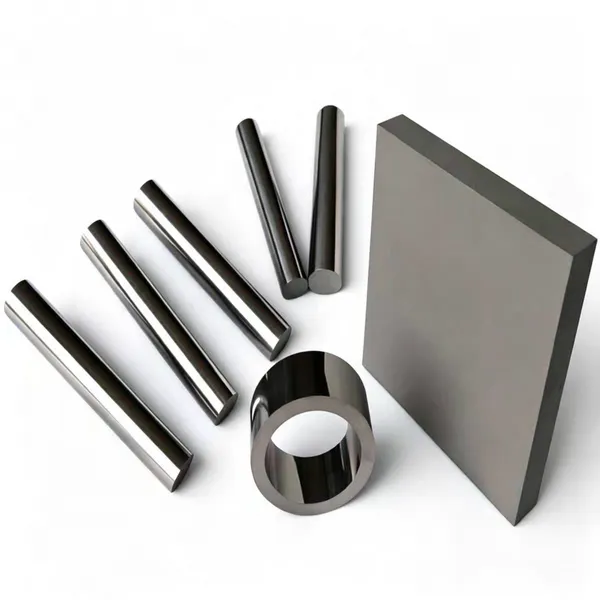
Ground Carbide Rods Ø8mm x 200mm, h6 Tolerance, Ra 0.4μm, HRA 91.0NegotiableMOQ: 10 Units
-
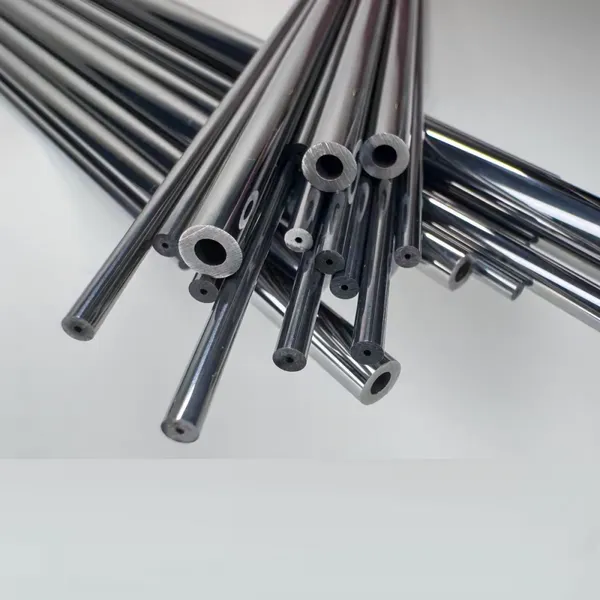
Polished Tungsten Carbide Hollow Rods for Precision Machining ApplicationsNegotiableMOQ: 1 Piece
-
Tungsten Carbide Saw Tips for TCT Circular Saw Blades and Woodworking CuttingNegotiableMOQ: 100 Pieces
-
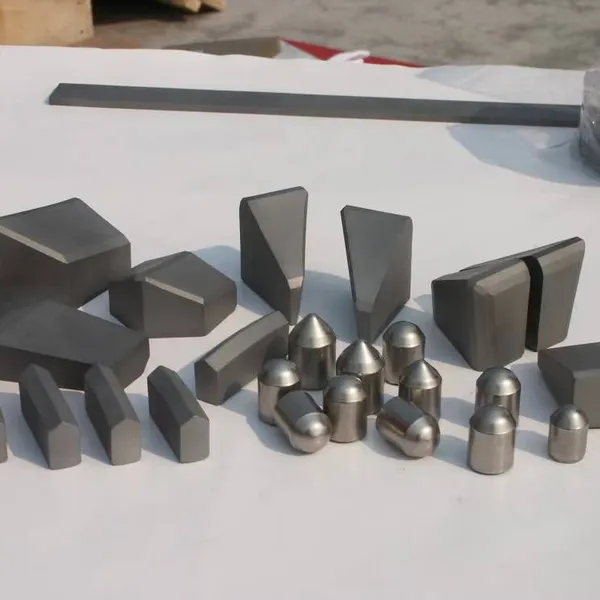
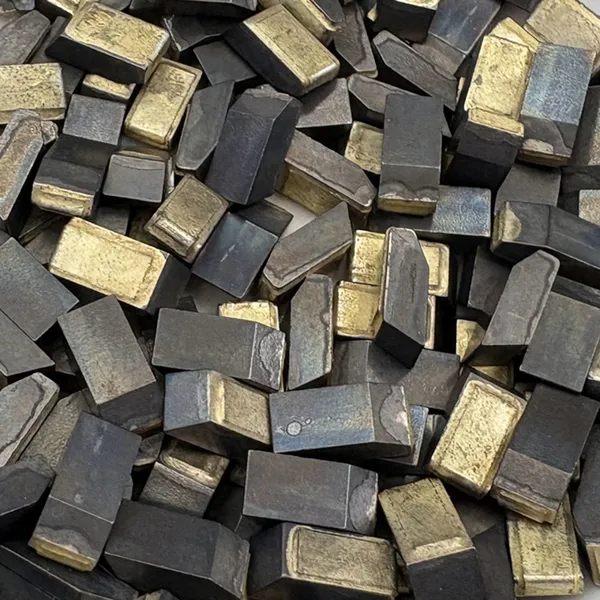
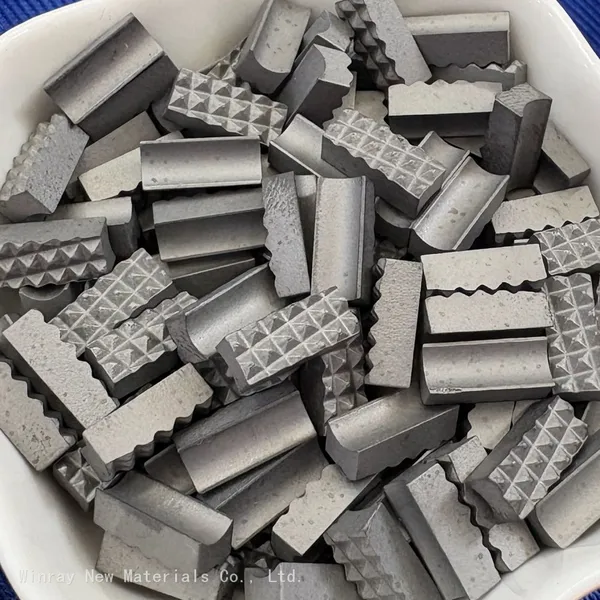
Tungsten Carbide Gripper Inserts for Oilfield Slip Assemblies – YG8/YG6/K10 Grades, High Hardness & Wear ResistanceNegotiableMOQ: 5 Kilograms

-
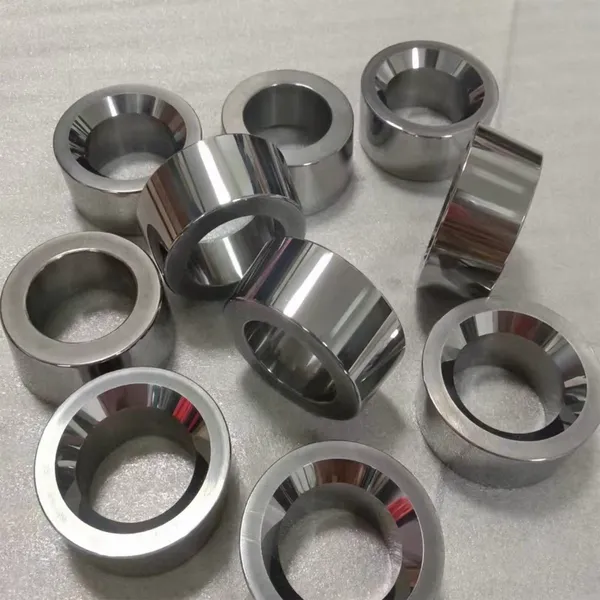
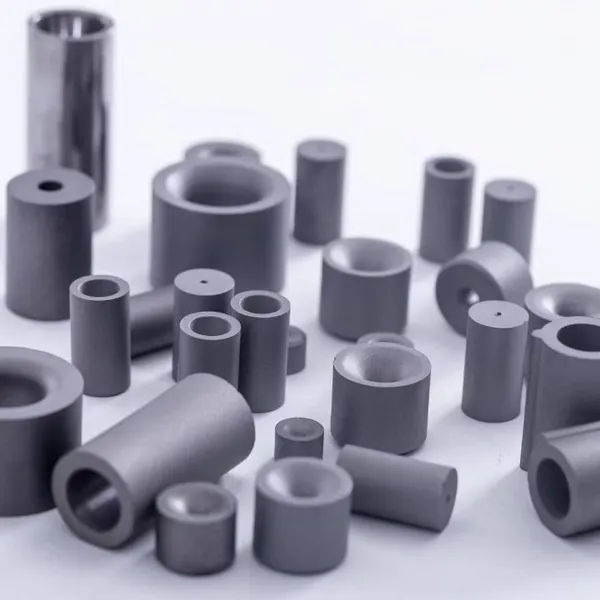
Precision Carbide Sleeves OD 5-50 mm ID 2-30 mm Concentricity Max 0.005 mm Ra 0.2 um CNC GroundNegotiableMOQ: 1 Unit
-
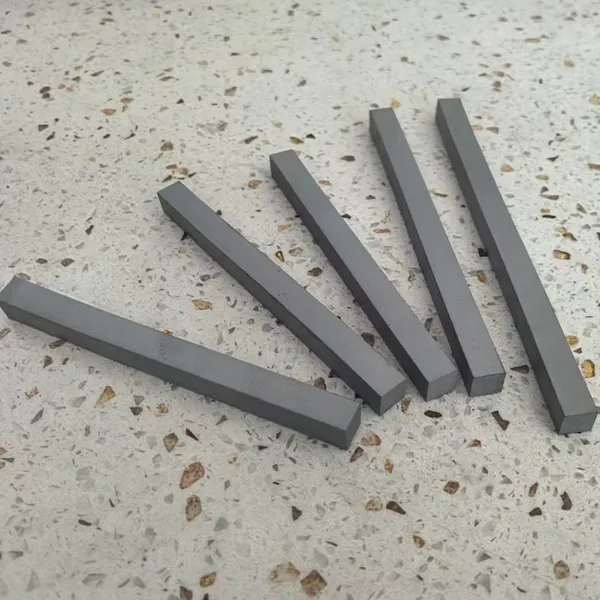
Submicron Tungsten Carbide Strips 2x8x330mm Ground Tolerance ±0.02mm HRA 92.0NegotiableMOQ: 10 Pieces
-
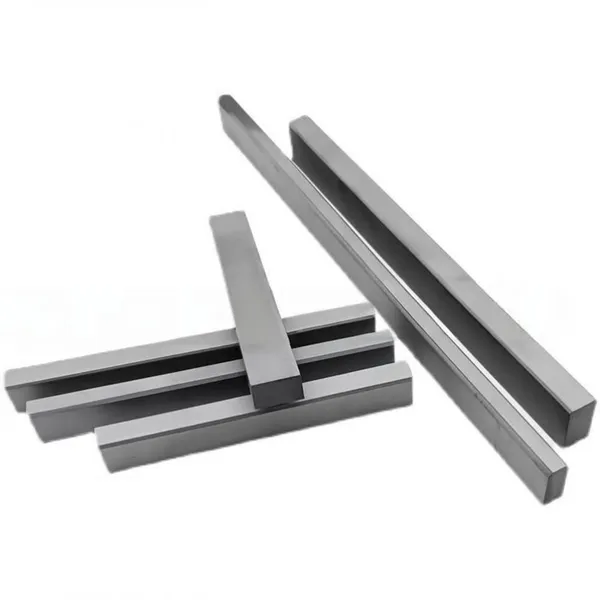
VSI Crusher Carbide Strips and Bars for Machine Tool Plane Blades Wood Cutting ToolsNegotiableMOQ: 10 Units
-
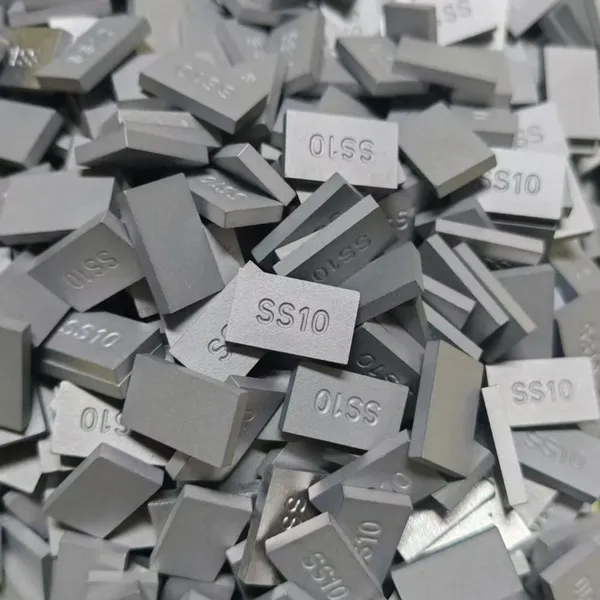
Yg8 Standard Tungsten Carbide Tips Ss10 for Stone Cutting ToolsNegotiableMOQ: 5 Kilograms
-
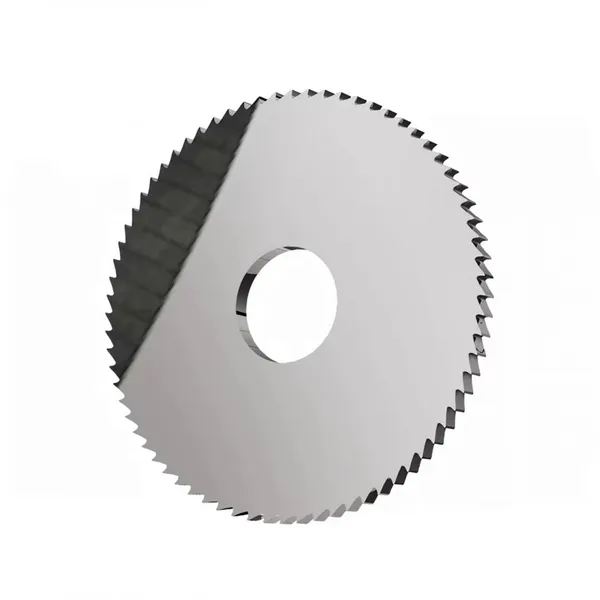
Tungsten Carbide Circular Saw Blade for Slitting Slotting Flat Tooth Saw Blades Cutting Metal Stainless Steel Aluminium Custom OEM Factory Bulk PriceNegotiableMOQ: 1 Blade
-
Tungsten Carbide Woodworking Blades – Replacement Cutting Blades for Wood Carving, Trimming & Planing ToolsNegotiableMOQ: 1 Box
-
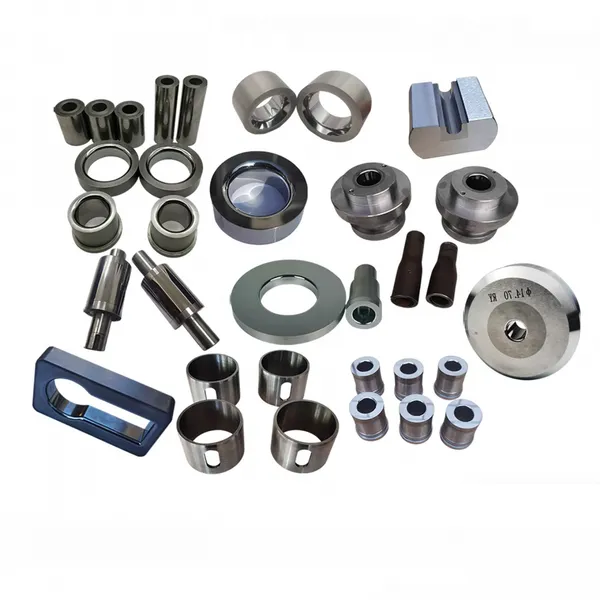
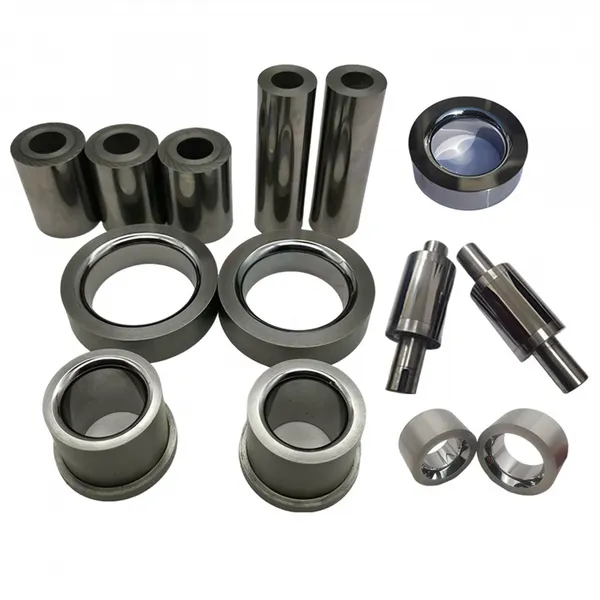
Custom Carbide Wear Components From Samples and Prototypes to Volume Production WC-Co SupplierNegotiableMOQ: 10 Blades
-
Custom Tungsten Carbide Wear Parts Non-Standard Shapes Produced to Customer Drawings WC-CoNegotiableMOQ: 10 Blades
-
Tungsten Carbide Strips and Plates PYG7 Submicron Grade M10 Ultra High Strength Custom SizesNegotiableMOQ: 10 Blades
-
Tungsten Carbide Strips and Plates PK08 Grade K30 High Strength Impact Resistant Custom SizesNegotiableMOQ: 10 Blades