
 Business License

Inside vs Outside Pipe Burr Scrapers: Different Jobs, Different Edges
1. The Inner Versus Outer Scarfer Difference in One Line
Winray notes this on every quotation. An inner versus outer scarfer is the same job done from two sides of the tube, and the two are not the same tool with a different label. The inside pipe burr scraper works on the bore of the tube, with the bead on the inside and the tool travelling inside the pipe. The outside weld scarfing tool works on the outside of the tube, with the bead on the outside and the tool travelling along the tube as it comes off the mill.
The geometry follows from where the bead is. An internal tool has to be held inside a tube it cannot see past, so its support is behind it and its cutting edge is on the far side. An external tool is held on the tube with a frame, so it can be carried around the full circumference with the edge on the near side, and the constraint on it is the frame rather than the bore.
2. What the Inside Pipe Burr Scraper Has to Cope With
An internal tool is working in the worst place it could be. The bead is at roughly 600 to 900 degrees when it reaches the scarfing head, the tool is running inside a tube that is still hot, and the space the tool has to work in is the bore itself. There is no frame around the tube to carry anything, so the whole cutting load is reacted by the tool against the wall it is cutting.
That constraint is what sets the inside tool's shape. The body is a cylinder that travels inside the pipe, and the cutting edge is set at an angle to the wall so that it takes a thin layer off the bead. A light approach angle and a modest interference are what keep the tool from riding up onto the tube wall and marking it, and the consequence of getting either wrong is a visible score on the inside of every pipe in the run.
The other constraint is heat. The tool sits in the hot zone with the bead and the pipe around it, and the edge is at the temperature of the material it is cutting. That is why the grade on an internal scarfer tends to be a tougher one than the same tool used externally, where the edge sees the bead at the same temperature but has air and a frame around it.
3. What Changes on the Outside Weld Scarfing Tool
An external scarfer has the opposite set of problems, and they are easier in some ways and harder in others. The tool is carried in a frame that goes around the tube, so the cutting edge can be held at a firm angle and the load is reacted by the frame rather than by the tube. The heat is the same, because the bead is at the same temperature, but the tool is not trapped inside the work.
What the external tool has instead is the outside of the tube to worry about. A score left on the outside of a pipe is a defect on the surface the customer sees, and on a structural or oil line pipe an outside scarfer that has been riding up leaves a mark along the whole length of the run. The approach angle is therefore held tighter and the interference is watched more closely, because the damage is visible immediately.
| Point of difference | Inside pipe burr scraper | Outside weld scarfing tool |
|---|---|---|
| Where the bead is | On the bore, cut from inside | On the outside, cut from outside |
| Load reaction | Against the tube wall | Against the frame |
| Approach angle | Light, to avoid marking the bore | Firm, to hold the cut on the bead |
| Where the score shows | Inside the pipe, less visible | Outside the pipe, immediately visible |
| Debris control | Confined, chip must travel past the edge | Open, chip clears away |
| Grade tendency | Tougher for the heat exposure | Can be slightly harder |
4. The Edge Angle Difference Between the Inside Pipe Burr Scraper and the Outside Weld Scarfing Tool
The edge on an internal scarfer is set to cut a thin layer because the material that has to come off is the bead and the parent metal it is attached to. A steeper edge takes more of the parent metal with it, and on the inside of a pipe that shows as a bore that is oversize and a wall that is thinner than the drawing. A light edge is the correct answer and it is why the internal tool is the one that gets its interference watched closely.
An external scarfer can afford a firmer edge because the material it removes is not a dimension the customer is measuring. The pipe diameter after scarfing is set by the mill sizing roll, not by the scarfer, so the scarfer can take a heavier cut and leave the frame to carry it. That is the freedom the frame gives, and it is why the two tools are specified with different numbers even where the bead is the same size.
The interference figures follow the same split, and the table sets out the working numbers on carbon steel tube.
| Tube wall | Inside tool, ID scarfing | Outside tool, OD scarfing | Edge angle, inside | Edge angle, outside |
|---|---|---|---|---|
| 1.2 mm | 0.10 to 0.18 mm | 0.15 to 0.22 mm | 10 to 15 degrees | 8 to 12 degrees |
| 2.0 mm | 0.18 to 0.28 mm | 0.25 to 0.35 mm | 10 to 15 degrees | 8 to 12 degrees |
| 3.0 mm | 0.25 to 0.35 mm | 0.35 to 0.50 mm | 12 to 18 degrees | 10 to 15 degrees |
| 4.0 mm and above | 0.30 to 0.40 mm | 0.40 to 0.55 mm | 12 to 18 degrees | 10 to 15 degrees |
An internal scarfer removes the bead from the inside and the bore size that comes off the mill is what the customer receives. An internal tool running 0.2 mm to 0.4 mm of interference removes the bead in one pass on most carbon steel tube, and a heavier setting risks cutting into the wall. An external tool can run at the upper end of that range and still be inside the wall, because the material outside the bead is not a controlled dimension in the same way.
5. Why the Inside Pipe Burr Scraper and the Outside Weld Scarfing Tool Cannot Be Swapped
A plant that fits an internal scarfer where an external one was running will find that the tool does not enter the pipe, or that it enters and leaves the bore undersize. The bodies are not the same diameter and they are not meant to be, because the internal tool has to fit inside a bore and the external tool has to clear the outside of the same pipe. A set of blades that fits one head does not fit the other, and that is deliberate rather than an accident of supply.
The other reason is the direction of the cut. An internal tool cuts with the edge trailing the bead on the inside, and an external tool cuts with the edge ahead of it on the outside, and the relief and the chip form are arranged for that. A blade ground for the internal head and fitted to the external one does not cut, it pushes, and the frame takes a load it was not designed for.
6. Blade Life and What the Inner Versus Outer Scarfer Each Consumes
The two tools wear in different places and at different rates, which is why a single service interval across a line does not work. The internal tool spends its life at the edge on the bead, and the wear is concentrated on the corner because the tool is working against the wall and the bead at the same time. The external tool spends its life on the bead face, and it wears more evenly because the frame holds the edge at a constant angle across the full circumference.
The rate difference is not large, but it is consistent, and it compounds with the other difference between the tools. The internal tool also loses material on the tube wall behind the edge, because it is working against that wall and any drift in its alignment puts the edge onto the parent metal. That is a second wear mechanism that the external tool does not have.
The figure worth recording for the internal tool is therefore kilometres per edge and the wall condition behind the cut. A blade that has been running correctly leaves a clean bore and a consistent wall, and a blade that has been riding leaves a scored bore and a thin wall at the same place on every pipe. That is visible on the first pipe off the run and it is the quickest diagnostic available to a mill.
7. Setting Up an Inside Pipe Burr Scraper Against an Outside Weld Scarfing Tool
Setup on the two heads follows the same order and the same reasoning, which is that the bead is measured first and the tool is set to the bead. On the external head the bead is visible and can be measured directly on a cut-off sample. On the internal head the bead is inside the pipe, so it is measured on a section cut from the end of the run, and that measurement has to be taken before the tool is set rather than after.
The height setting is then the same operation on both, and the difference is the tolerance. An external tool has the frame to hold the setting, so the height can be held within a few hundredths of a millimetre. An internal tool has to hold its own height against a moving tube, and it works out of the interference figure rather than out of a height setting, so the numbers a mill records for the two are not comparable.
Winray quotes each head against the schedule figure rather than the diameter. That is the practical reason an inner versus outer scarfer comparison on price alone is not a comparison. The internal tool is the more difficult one to run and the more expensive one to get wrong, because its errors show up on a dimension the customer measures rather than on a surface the customer sees.
8. Sizing Both Heads Against the Same Pipe Schedule for an Inner Versus Outer Scarfer
One line runs one pipe schedule, and both heads work on it, which means Winray sizes the two tools against the same wall thickness and the same bead. That is where the relationship between them comes from, and it is why a mill that changes schedule changes both tools at once rather than chasing one of them.
The bore is the reference for the internal tool and the outside diameter is the reference for the external one, and the two differ by the wall. A schedule change that moves the wall by half a millimetre moves the internal tool's clearance against the bore by half a millimetre and the external tool's clearance against the outside by the same amount. The numbers are not the same, but the change is, and a mill that has tracked one head has not tracked the other.
Winray New Materials Co Ltd quotes the two against the same schedule figure for that reason, and it asks for the schedule rather than the diameter when a customer is ordering spares for a head. The schedule carries the wall, and the wall is what the interference and the approach angle are calculated against. A customer who orders by outside diameter alone gets a tool quoted for the wrong clearance and finds it out at the first pipe.
| What the schedule changes | Inside pipe burr scraper | Outside weld scarfing tool |
|---|---|---|
| Wall thickness | Clearance against the bore | Clearance against the outside |
| Bead height | Interference to remove it | Interference to remove it |
| Bore diameter | Tool body must clear it | No effect on the tool |
| Outside diameter | No effect on the tool | Tool frame must clear it |
| Material grade | Tougher for the heat | Can be slightly harder |
The last row is the one that is worth a second look, because the grade difference between the two tools is a consequence of where the tool sits rather than of what it cuts. The bead is at the same temperature either way. The internal tool earns the tougher grade because it is enclosed, and a plant that specifies one grade for both heads will find the internal one failing first.
9. Frequently Asked Questions on Inside and Outside Scrapers
9.1 Can an inside pipe burr scraper and an outside weld scarfing tool use the same blade?
No, and the reason is in how the tool is held rather than in what it cuts. The internal tool reacts its load against the tube wall inside the pipe, so it has to be carried on the tool itself and the edge is set to take a light cut. The external tool is carried in a frame around the tube and can hold a firmer edge. The blade forms are different, the approach angles are different, and a blade ground for one will not cut on the other.
9.2 Why does an internal scarfer need a tougher grade than an external one?
Because of where it sits rather than what it cuts. The bead reaches the scarfing head at roughly 600 to 900 degrees in both cases, but the internal tool is enclosed in the pipe with the hot material all around it, while the external tool has air and a frame around it. The extra heat exposure in the enclosed case is what the tougher grade absorbs, and a plant that specifies one grade for both heads finds the internal tool failing first.
9.3 How is the interference figure different for an inner versus outer scarfer?
The internal tool runs a lighter setting, typically 0.2 mm to 0.4 mm, because everything it removes beyond the bead is taken out of the bore, and the bore is a dimension the customer measures. The external tool can run at the upper end of that range because the material outside the bead is not a controlled dimension in the same way. The frame gives the external tool the freedom to take a heavier cut, and that freedom is the whole difference between the two settings.
9.4 When a mill changes pipe schedule, do both scarfer heads need new tools?
Yes, and the change moves both in the same direction even though the numbers are different. A schedule change alters the wall thickness, and the wall is what the clearance and the interference are calculated against, so the internal tool changes against the bore and the external tool changes against the outside. A mill that has tracked one head has not tracked the other, and the tool that was left alone is the one that will be found out first.
Recently Posted
-
Carbide Punch Pins in Progressive Die Piercing of Sheet Metal
November 18, 20261. Progressive Die Punch Pin Loads at 300 Strokes a Minute A progressive die punch pin does not do one job. It does the job of its Read More
-
How to Order Custom Carbide Punch Pins From a Drawing
November 17, 20261. Why a Punch Pin Drawing Carries More Than a Part Number A part number describes a pin that already exists. Beyond the standard
Read More -
Solid Carbide Punch Pin vs Coated Punch: Which Holds Diameter Longer
November 17, 20261. Why a Solid Carbide Punch Pin and a Coated Punch Are Compared Wrong A solid carbide punch pin is usually compared with a coated Read More
-
Carbide Punch Pin vs HSS Punch: Wear Life per 100,000 Strokes
November 17, 20261. Why Punch Cost per Stroke Is a Better Question Than Pins per Year A terminal stamper a while back asked us to quote a punch pin Read More

Contact Us
Recommended Products
-
 Non-Magnetic Nickel-Bonded Cemented Carbide Molds, Submicron Grain, Mirror Polished CavitiesNegotiableMOQ: 1 Blade
-
Non-Magnetic Carbide Grades for Specialized MoldsNegotiableMOQ: 1 Unit
-
Tungsten Carbide Punches HRA 90.5 Co 10% +/-0.002 mm Tolerance Mirror-Polished for Stamping DiesNegotiableMOQ: 1 Unit
-
Custom Carbide Strips and Round Blanks With 0.05mm Flatness for Machine ToolingNegotiableMOQ: 1 Unit
-
Custom Cemented Carbide Blanks ISO Standard Compliant With Ra 0.4 Surface FinishNegotiableMOQ: 1 Unit
-
Precision Ground Carbide Inserts and Blanks – Custom Grades and Tolerances up to ±0.01mmNegotiableMOQ: 1 Unit
-
Ground Carbide Rods Ø8mm x 200mm, h6 Tolerance, Ra 0.4μm, HRA 91.0NegotiableMOQ: 10 Units
-
Polished Tungsten Carbide Hollow Rods for Precision Machining ApplicationsNegotiableMOQ: 1 Piece
-
Tungsten Carbide Saw Tips for TCT Circular Saw Blades and Woodworking CuttingNegotiableMOQ: 100 Pieces
-
Tungsten Carbide Gripper Inserts for Oilfield Slip Assemblies – YG8/YG6/K10 Grades, High Hardness & Wear ResistanceNegotiableMOQ: 5 Kilograms
-
Precision Carbide Sleeves OD 5-50 mm ID 2-30 mm Concentricity Max 0.005 mm Ra 0.2 um CNC GroundNegotiableMOQ: 1 Unit
-
Submicron Tungsten Carbide Strips 2x8x330mm Ground Tolerance ±0.02mm HRA 92.0NegotiableMOQ: 10 Pieces
-
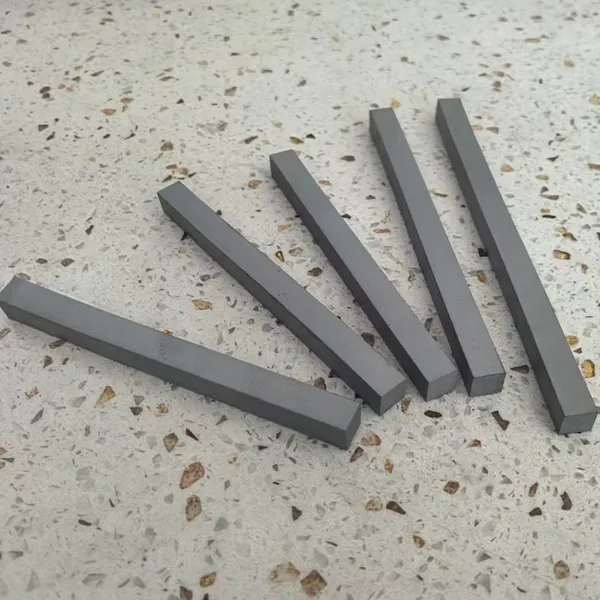
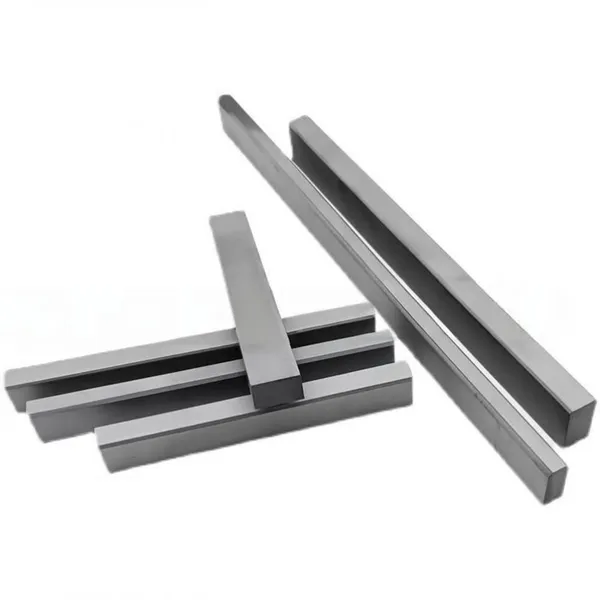
VSI Crusher Carbide Strips and Bars for Machine Tool Plane Blades Wood Cutting ToolsNegotiableMOQ: 10 Units
-
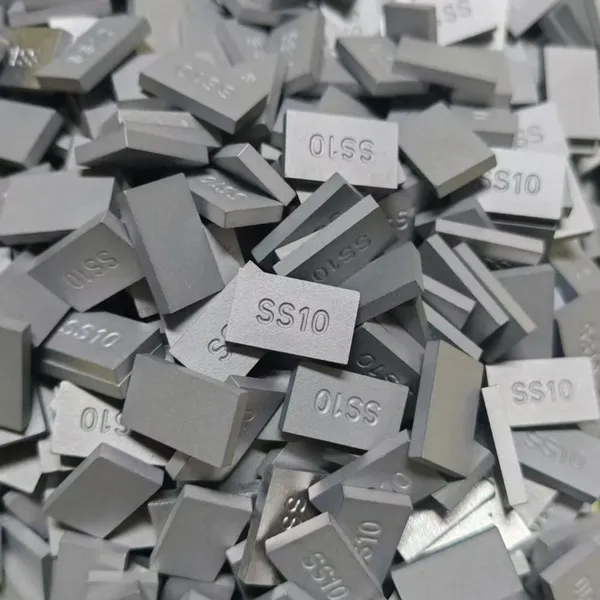
Yg8 Standard Tungsten Carbide Tips Ss10 for Stone Cutting ToolsNegotiableMOQ: 5 Kilograms
-
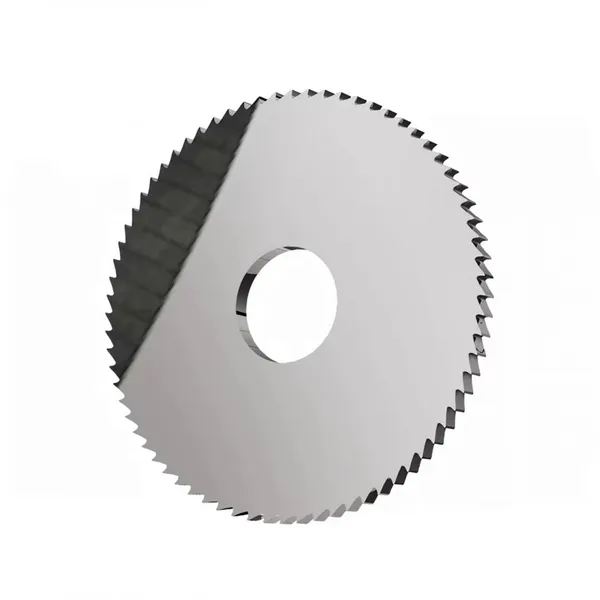
Tungsten Carbide Circular Saw Blade for Slitting Slotting Flat Tooth Saw Blades Cutting Metal Stainless Steel Aluminium Custom OEM Factory Bulk PriceNegotiableMOQ: 1 Blade
-
Tungsten Carbide Woodworking Blades – Replacement Cutting Blades for Wood Carving, Trimming & Planing ToolsNegotiableMOQ: 1 Box
-
Custom Carbide Wear Components From Samples and Prototypes to Volume Production WC-Co SupplierNegotiableMOQ: 10 Blades
-
Custom Tungsten Carbide Wear Parts Non-Standard Shapes Produced to Customer Drawings WC-CoNegotiableMOQ: 10 Blades
-
Tungsten Carbide Strips and Plates PYG7 Submicron Grade M10 Ultra High Strength Custom SizesNegotiableMOQ: 10 Blades
-
Tungsten Carbide Strips and Plates PK08 Grade K30 High Strength Impact Resistant Custom SizesNegotiableMOQ: 10 Blades