
 Business License

Solid Carbide Circular Saw Blades: The Precision Cutting Edge of Modern Manufacturing
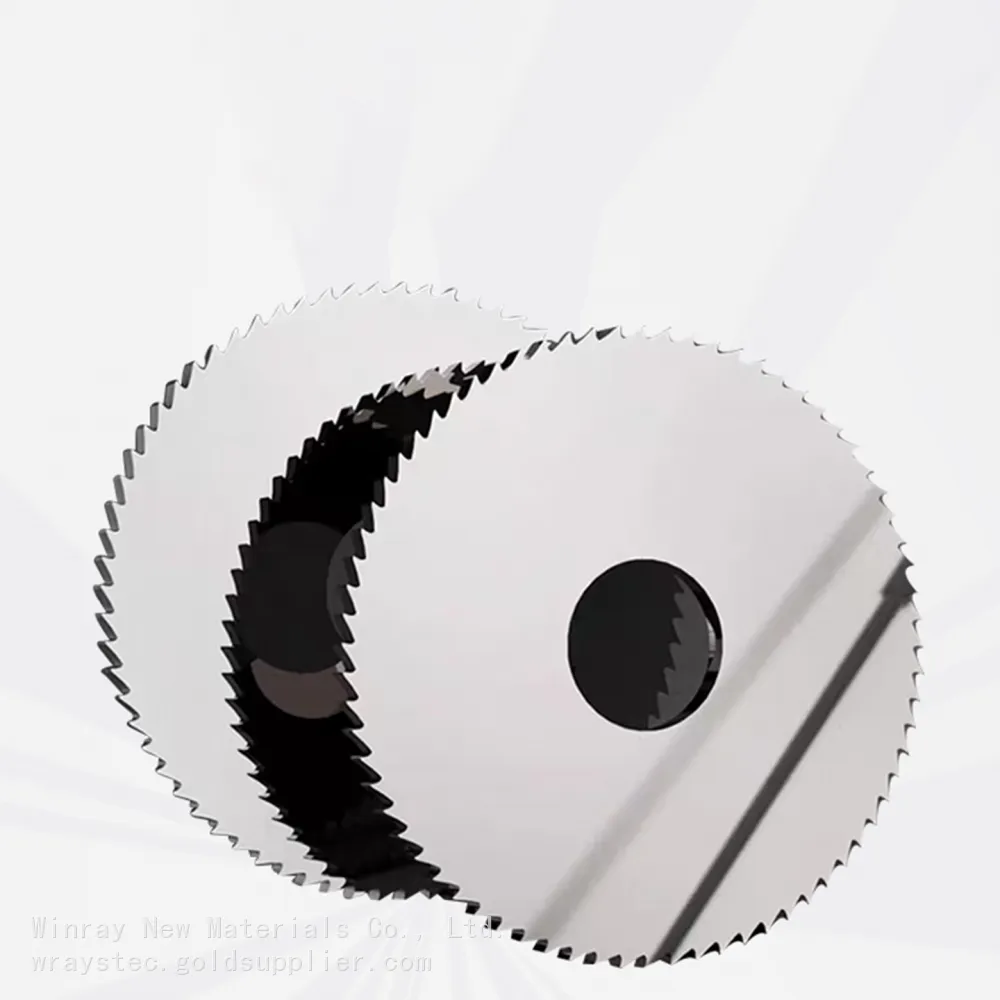
In the world of industrial metal cutting, the difference between a good cut and a great cut often comes down to the tool in the machine. While high-speed steel (HSS) and carbide-tipped blades have long dominated the shop floor, a quieter revolution has been taking place at the high-precision end of the spectrum. Solid carbide circular saw blades—machined entirely from a single piece of tungsten carbide—are increasingly becoming the go-to solution for manufacturers who refuse to compromise on speed, accuracy, or surface finish.
This article explores what makes solid carbide circular saw blades distinct, where they excel, and what shops need to know before adopting them.
What Sets Solid Carbide Apart
The fundamental distinction is simple: a solid carbide blade is not a steel body with carbide teeth brazed onto it. It is, from hub to tooth tip, one continuous piece of cemented carbide . This monolithic construction eliminates the weakest link in conventional tooling—the braze joint—and unlocks a cascade of performance benefits that carbide-tipped blades simply cannot match.
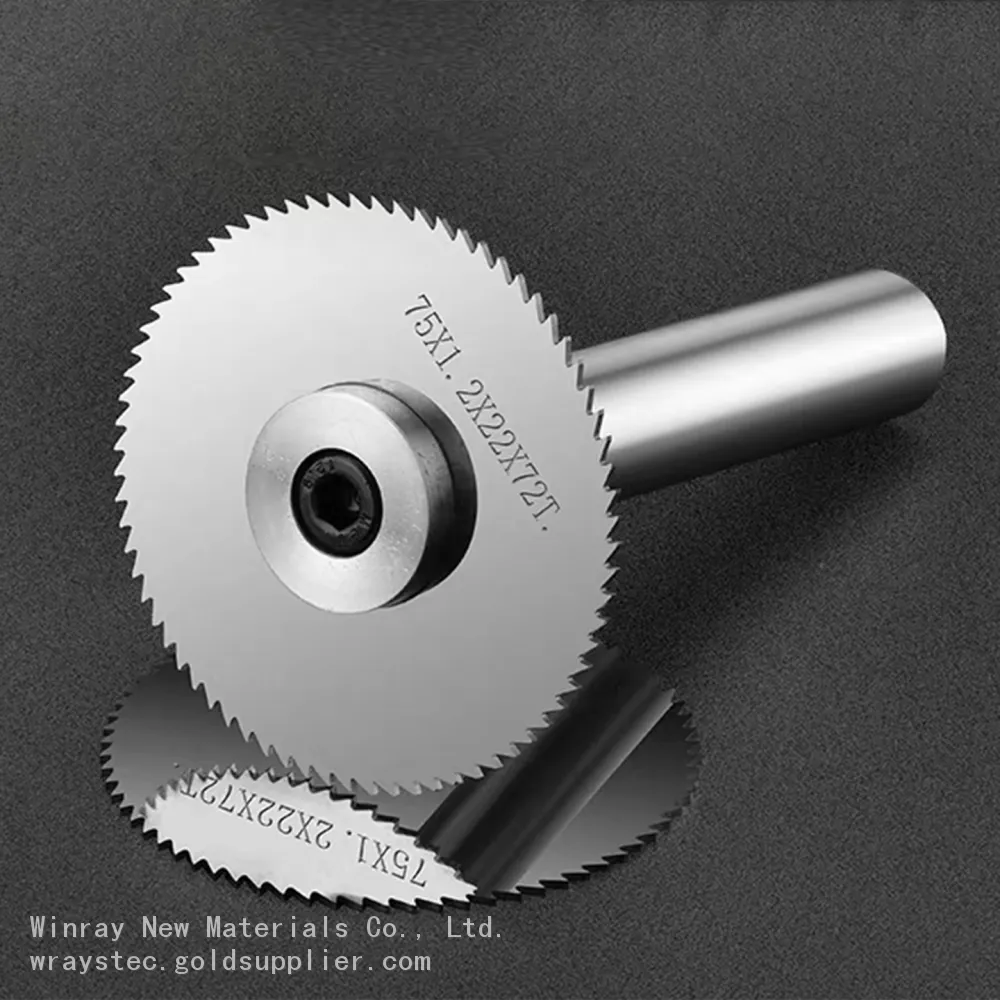
Because the entire blade is made of the same ultra-hard material, manufacturers can grind extremely fine tooth geometries with far higher tooth counts than would be practical on a tipped blade. They can also produce significantly narrower cutting widths, which means less material is turned into chips and more is preserved as finished product . For operations cutting expensive alloys, that kerf savings alone can justify the investment.
The rigidity of the solid carbide body also translates directly into cutting precision. Tolerances are tighter, runout is minimal, and angular accuracy at the cut face is markedly improved . When a shop needs parts that come off the saw ready for the next operation without secondary milling, this is where solid carbide earns its keep.
Speed, Life, and the Economics of Productivity
The headline number that gets attention is cutting speed. Depending on the material and application, solid carbide blades can run three to four times faster than HSS blades of comparable size . For steel with tensile strength up to 500 N/mm², cutting speeds in the range of 150 to 250 m/min are achievable, while softer non-ferrous materials like aluminum and copper alloys can be cut at speeds from 400 up to 2000 m/min with appropriate cooling or dry machining . These are not incremental gains; they represent a fundamental shift in what a sawing operation can throughput in a shift.
Tool life tells a similarly compelling story. The wear resistance of the carbide substrate, often enhanced by advanced thin-film coatings such as those in Re-Bo’s Top series, allows these blades to endure prolonged production runs with minimal degradation . And when a blade does eventually dull, it is not destined for the scrap bin. Solid carbide blades can be resharpened multiple times and recoated afterward, restoring them to full performance and driving the cost per cut down to levels that tipped blades struggle to reach over their service life .
The market reflects this value proposition. The global carbide circular saw blade market was estimated at roughly $1.1 billion in 2025 and is projected to grow at a compound annual rate of over 7% through 2032, driven in part by demand for higher precision and longer-lasting tooling in metalworking and advanced manufacturing .
Where Solid Carbide Shines—and Where It Doesn’t
Solid carbide blades are not a universal replacement for every sawing task. They are specialists, and understanding their niche is essential to using them effectively.
They excel in high-strength materials. When tensile strength climbs above 1000 N/mm², or when cutting stainless steels, titanium alloys, and tough aerospace materials, the rigidity and hardness of solid carbide provide a stability that tipped blades cannot reliably deliver . They are also the clear choice for micro-machining and slotting operations where narrow kerf and high tooth counts are required—think watch components, medical devices, or precision electronic connectors.
However, the same hardness that makes solid carbide wear-resistant also makes it brittle. These blades demand respect. They should only be run on stable, low-vibration machines—milling machines are often preferred over conventional saws—with rigid, play-free clamping of both the blade and the workpiece . Any wobble, any chatter, any momentary loss of rigidity can result in catastrophic tooth fracture rather than gradual wear. A shop accustomed to the forgiving nature of HSS blades must adjust its practices: check spindle runout, ensure flange cleanliness, and verify that the workpiece is secured with the same care as the tool.
Cooling strategy also matters. While aluminum and plastics can often be cut dry or with compressed air, steel and stainless steel benefit from generous, often high-pressure lubricant delivery to manage heat and evacuate chips . The investment in proper coolant infrastructure is part of the total cost of adoption.
Choosing the Right Tooth Geometry
Solid carbide blades are typically offered in two broad DIN-standard configurations, and selecting between them is the first decision a shop must make.
The fine-toothed configuration, analogous to DIN 1837 A, features a high tooth count and is intended for thin-walled workpieces, shallow cuts, and materials that chip short and brittle . The dense tooth spacing produces a smooth finish and minimizes the risk of the thin workpiece deflecting into the cut.
The coarse-toothed configuration, following DIN 1838 B, has fewer teeth with deeper gullets. It is the more versatile choice for thicker cross-sections and deeper cuts, where chip evacuation becomes the limiting factor . The larger chip space allows the blade to clear material efficiently without packing the gullets, which can lead to heat buildup and tooth damage.
For shops cutting a wide variety of materials and thicknesses, the coarse-tooth blade is often the more practical starting point. For dedicated high-precision or thin-section work, the fine-tooth version is the better fit.
A Tool for the Long Game
What ultimately distinguishes solid carbide circular saw blades is not any single specification but the philosophy they represent. They are not the cheapest blade on the shelf, nor the most forgiving. They are an investment in a process that values repeatability, throughput, and the elimination of downstream operations.
For manufacturers running high-volume production on stable machines, cutting materials that punish lesser tooling, the math tends to work out. The combination of higher cutting speeds, longer intervals between tool changes, narrower kerf, and the ability to resharpen and recoat means that the cost per part—not the cost per blade—becomes the metric that matters. And on that metric, solid carbide has a compelling case to make.
As the market for precision-cut components continues to expand, and as materials become harder and more demanding, the solid carbide circular saw blade will only grow more relevant. It is, quite literally, the cutting edge.
Recently Posted
-
Choosing the Right Cemented Carbide Rod for Your Application
October 30, 2026Cemented carbide round rods look deceptively simple: a dense, grey, cylindrical blank. Yet behind that uniform appearance lies a c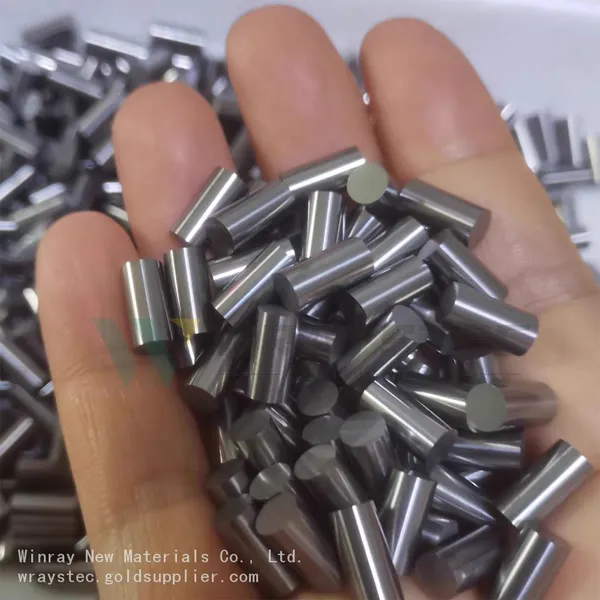 Read More
-
Why "One Piece" Is the Future of Custom Tungsten Carbide Wear Parts
October 30, 2026In the world of industrial manufacturing, the phrase "minimum order quantity" (MOQ) has long been a source of frustratio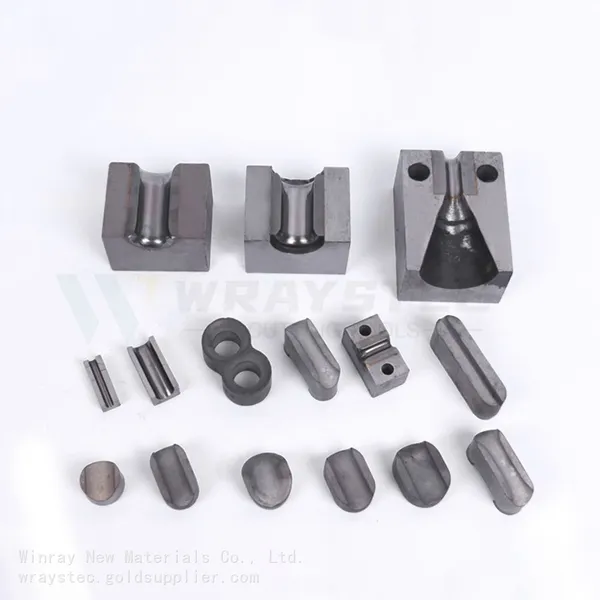 Read More
-
Cemented Carbide Wolf Tooth Rod (YD-Type Hardfacing Rod)
October 30, 2026In the field of industrial wear protection, the "Cemented Carbide Wolf Tooth Rod" does not refer to a physical striking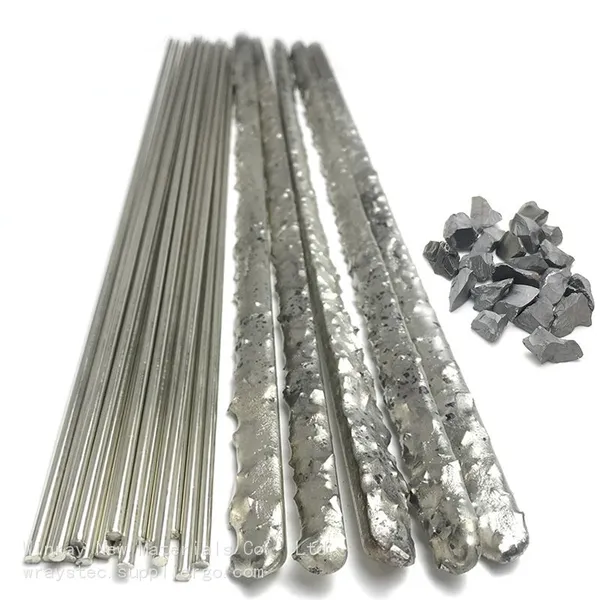 Read More
-
Why "One Piece Minimum" Is the Most Underrated Advantage in Carbide Machining
October 30, 2026If you've ever tried to source custom tungsten carbide components, you've probably run into the same wall: minimum order q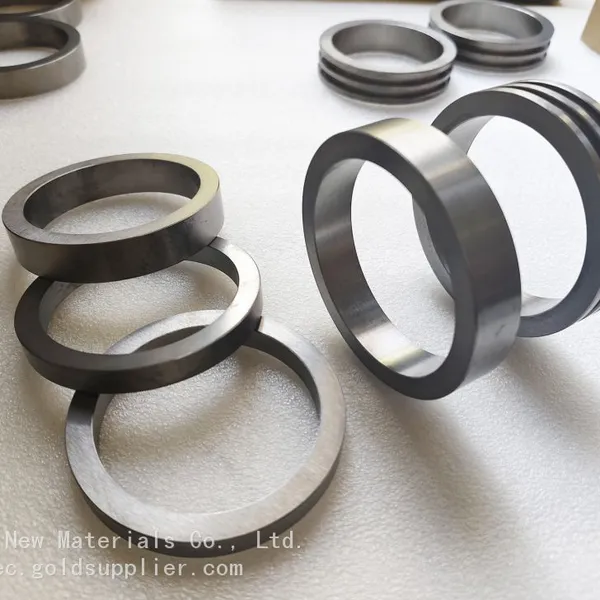 Read More

Contact Us
Recommended Products
-
 Precision Ground Carbide Base Plate, 94.0 HRA, 0.4μm Surface Finish, 100mm x 100mm x 5mm for Die ComponentsUS$ 1.55MOQ: 10 Units
-
Tungsten Carbide Substrate Disc, Dia 30mm x 2.5mm, 25MPa Transverse Rupture Strength, Flatness 0.02mmUS$ 1.55MOQ: 10 Units
-
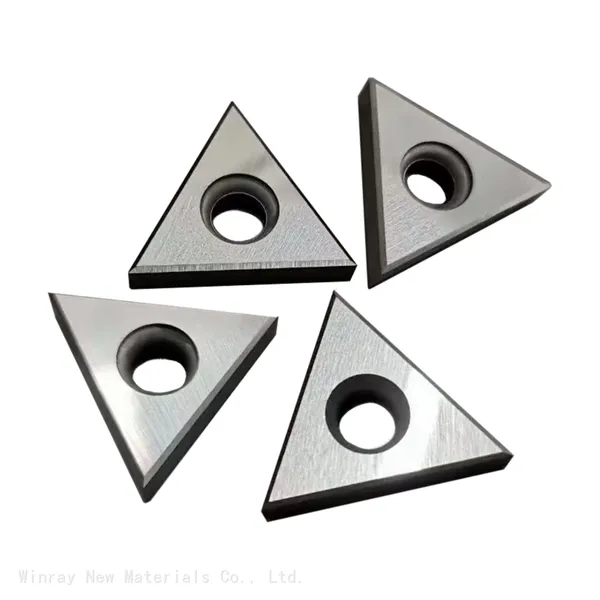
Carbide Substrate for Indexable Cutting Tools, ISO 1832 Compliant, 10mm x 10mm x 4.76mm, 93.0 HRA, Flat Grinding FinishedUS$ 1.55MOQ: 10 Units
-
Supplier-Provided Carbide Base Material With Technical Data Sheet, 94.0 HRA, 0.4μm Ra Finish, 30-Day Replacement for Machining ErrorsUS$ 1.55MOQ: 10 Units
-
EDM Wire-Cut Carbide Base Strip, 150mm x 20mm x 3mm, 89.5 HRA, Ra 0.6μm, Parallelism 0.01mmUS$ 1.55MOQ: 10 Units
-
Unmounted Carbide Substrate Blank, 305mm x 305mm x 2.0mm, 90.0 HRA, Micro-Grain WC-Co 10% Co CompositionUS$ 1.55MOQ: 10 Units
-
Carbide Substrate With 12-Month Warranty, Mill Test Report Included, 90.0 HRA, CNC Ground, Sizes Tailored to BlueprintUS$ 1.55MOQ: 10 Units
-
Cemented Carbide Substrate WC-Co Grade 6.0% Co, 90.5 HRA Hardness, 10mm x 10mm x 3.2mm Ground Tolerance ±0.05mmUS$ 1.55MOQ: 10 Units
-
Carbide Base Plate for Precision Mold Manufacturing, 5mm Thick, 60 x 60mm, 0.005mm Perpendicularity, Corrosion-Resistant GradeUS$ 1.55MOQ: 10 Units
-
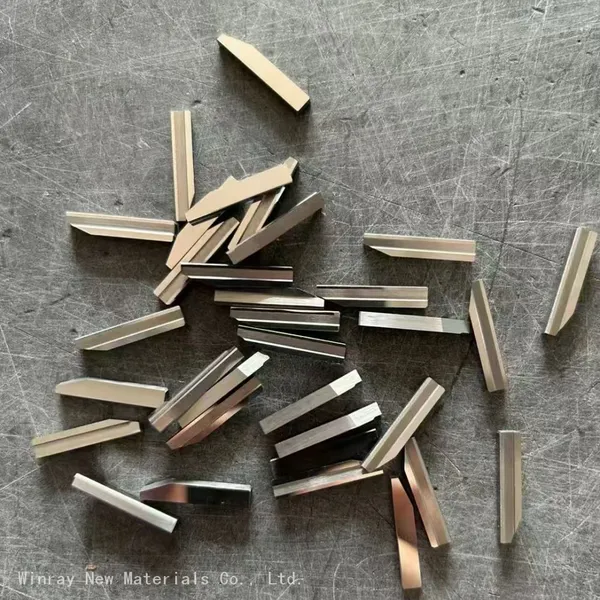
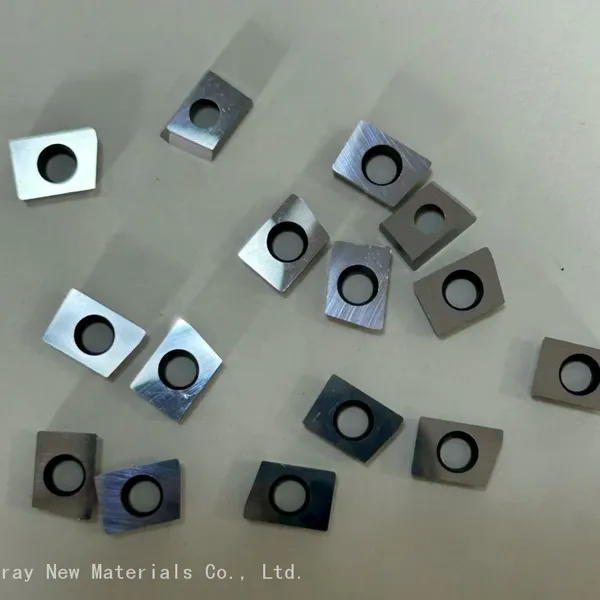
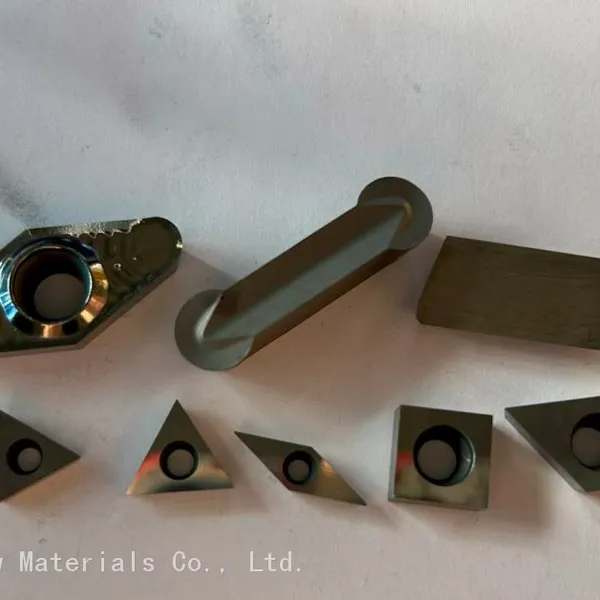
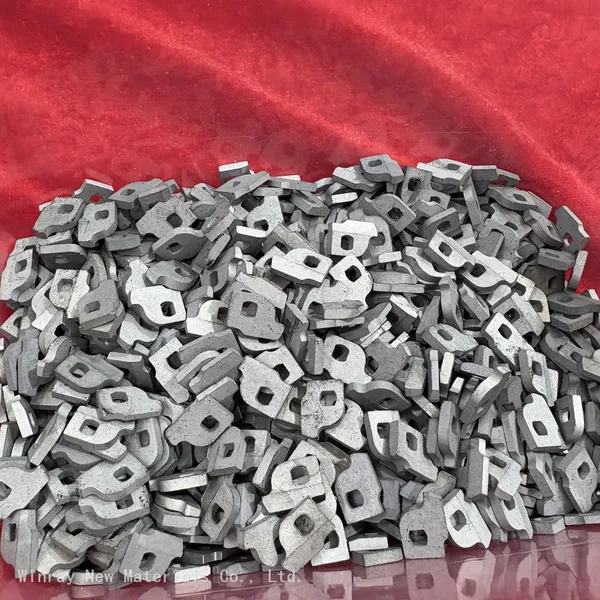
YG8 Grade Carbide Saw Tips 25x5x1.5mm Tungsten Carbide Blade Inserts Hardness 1560HV for Sawmill UseNegotiableMOQ: 10 Kilograms
-
Slot Style Carbide Saw Tips Tungsten Alloy Hardness 90HRA Grind Tolerance ±0.02mm for Auto Sharpening MachinesNegotiableMOQ: 10 Kilograms
-
Mill Test Report Provided Carbide Saw Tips YG8 12-Month Warranty Against Edge Chipping for Wholesale BuyersNegotiableMOQ: 10 Kilograms
-
Carbide Saw Tips for MDF and Plywood Processing YG6X Tungsten Carbide Fine-Grain Grade for Panel Plant Saw BladesNegotiableMOQ: 10 Kilograms
-
Flat Top Carbide Saw Tips 30x8x3mm With 5 Degree Clearance Angle Tungsten Carbide Inserts for Scoring BladesNegotiableMOQ: 10 Kilograms
-
Carbide Saw Tips 12 Degree Clearance Angle WC-Co Density 14.8 G/cm3 Standard Compliant for Hardwood Cutting BladesNegotiableMOQ: 10 Kilograms
-
K20 Tungsten Carbide Saw Tips WC-Co Micro-Grain 0.8μm 1800HV for TCT Circular Saw Blade Re-tippingNegotiableMOQ: 10 Kilograms
-
Carbide Saw Tips With Grinding Technical Support 24-Month Warranty OEM Dimension Customization ServiceNegotiableMOQ: 10 Kilograms
-
Shear Cut Carbide Saw Tips 1.5mm Thickness 88-92HRA Silver Brazing Grade for Industrial Saw Blade ManufactureNegotiableMOQ: 10 Kilograms
-
Sintered Carbide Wear Plates With 2500 MPa Transverse Rupture Strength for Heavy Industrial EquipmentNegotiableMOQ: 1 Piece
-
Carbide Wear Parts for Mining Excavator Bucket Teeth and Crusher Hammer Tips - 350 MPa Impact ToughnessNegotiableMOQ: 1 Piece