
 Business License

Cemented Carbide Wolf Tooth Rod (YD-Type Hardfacing Rod)
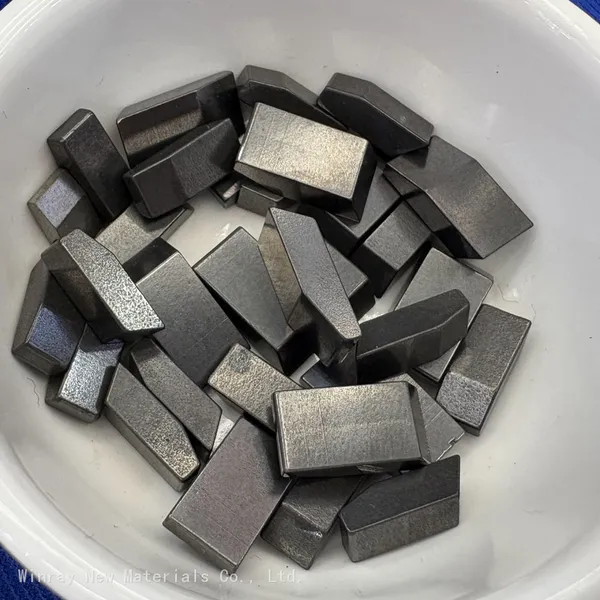
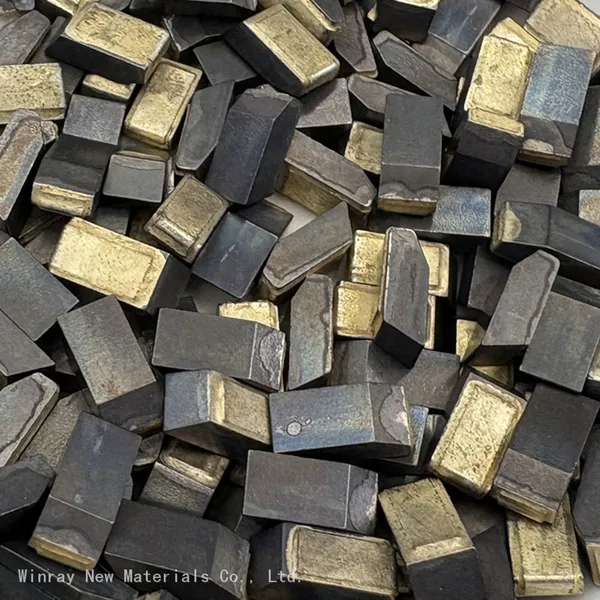
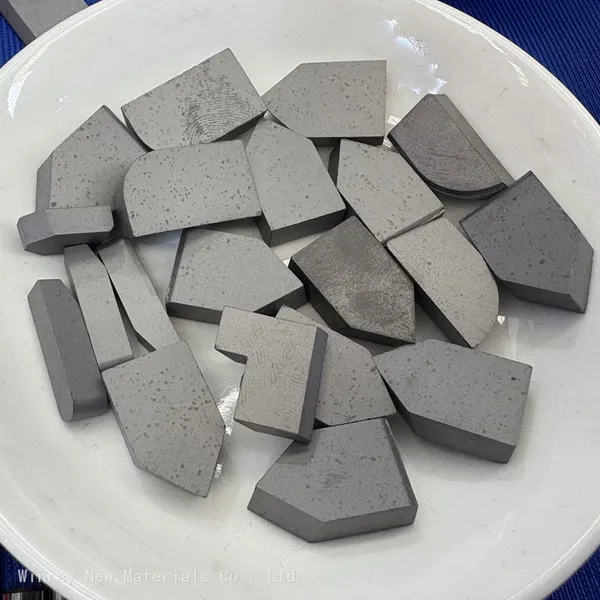
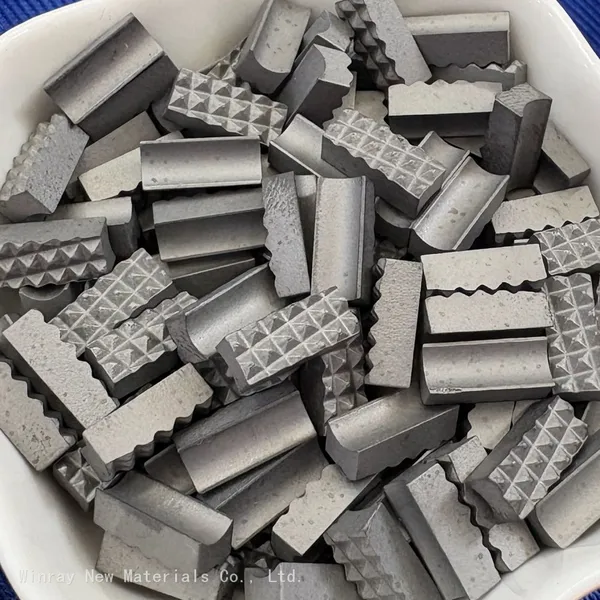
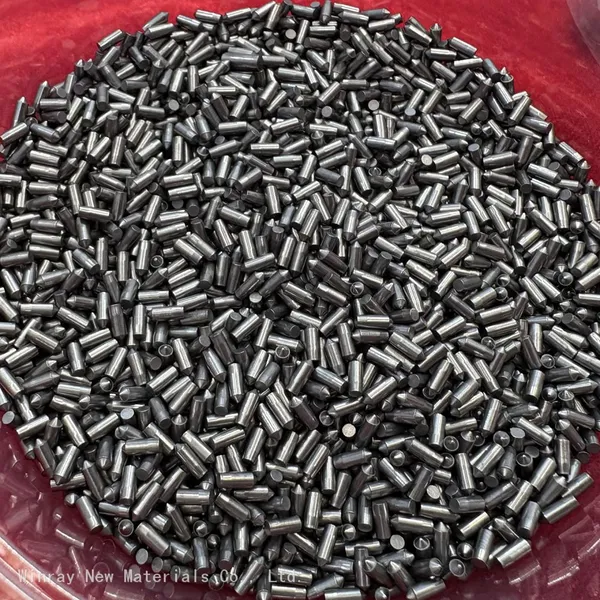
In the field of industrial wear protection, the "Cemented Carbide Wolf Tooth Rod" does not refer to a physical striking weapon, but rather a highly specialized consumable used in welding: the YD-type cemented carbide composite hardfacing rod. It earns the nickname "Wolf Tooth Rod" due to the sharp, protruding carbide particles embedded along its surface, which resemble the teeth of a wolf. This product is engineered to solve extreme wear and cutting problems in heavy industries such as petroleum, mining, coal, geology, and construction.
Performance and Material Composition
The performance of the wolf tooth rod stems from its unique composite structure. It is manufactured by mixing granular sintered cemented carbide particles—primarily cobalt-containing tungsten carbide (WC-Co) or titanium carbide—with a tough, elastic matrix alloy, typically a nickel-copper or copper-based alloy. The core performance metrics are notable: the hardness of the carbide particles reaches an impressive 89–91 HRA, providing exceptional resistance to abrasive wear. Meanwhile, the matrix metal offers a bending strength of approximately 690 MPa and a hardness of at least 160 HB, ensuring the deposit can absorb impact without shattering. This combination creates a surface that is both wear-resistant and capable of withstanding heavy impacts, significantly extending the service life of equipment operating in harsh conditions.
Primary Applications and Uses
The wolf tooth rod is specifically designed for surfacing (hardfacing) components that suffer from severe abrasion or combined wear and cutting actions. Its applications are heavily concentrated in the oil and gas drilling sector. It is widely used to hardface drill pipe joints, stabilizers, reamers, and drill pipe wear bands to protect them from the abrasive nature of rock and drilling fluids. In mining and geological exploration, it is applied to coring bits, piling bits, auger bits, and milling shoes, where the carbide particles provide the necessary "bite" to grind through tough formations. Additionally, in construction and general heavy machinery, the rod is used to repair excavator bucket teeth, crusher hammers, and coal plough bits, offering a cost-effective way to rebuild worn parts rather than replacing them entirely.
Processing Characteristics
Applying this material requires specific technique, typically using oxy-acetylene flame deposition. A critical performance note for operators is the need to use a larger welding nozzle than usual and maintain a neutral or slightly carburizing flame. The welder must strictly control the distance between the flame core and the workpiece to prevent overheating the carbide particles, as overheating can degrade the particles' hardness and compromise the wear life of the deposit. The rod is available in various grades (such as YD-3 through YD-12), differentiated by the size of the carbide particles, allowing users to select the optimal balance between wear resistance and surface finish for their specific application.
In summary, the cemented carbide wolf tooth rod is a critical maintenance material for industries where equipment durability directly impacts operational efficiency. By applying a hard, carbide-rich surface to vulnerable components, it reduces downtime and lowers the total cost of ownership in the most demanding environments.
Recently Posted
-
Choosing the Right Cemented Carbide Rod for Your Application
October 30, 2026Cemented carbide round rods look deceptively simple: a dense, grey, cylindrical blank. Yet behind that uniform appearance lies a c Read More
-
Why "One Piece" Is the Future of Custom Tungsten Carbide Wear Parts
October 30, 2026In the world of industrial manufacturing, the phrase "minimum order quantity" (MOQ) has long been a source of frustratio Read More
-
Why "One Piece Minimum" Is the Most Underrated Advantage in Carbide Machining
October 30, 2026If you've ever tried to source custom tungsten carbide components, you've probably run into the same wall: minimum order q Read More
-
The Unseen Edge: Why Cemented Carbide Skiving Knives Rule Modern Metalworking
October 29, 2026In the vast ecosystem of industrial cutting tools, few are as misunderstood or as quietly indispensable as the cemented carbide sk Read More

Contact Us
Recommended Products
-
 Precision Ground Carbide Base Plate, 94.0 HRA, 0.4μm Surface Finish, 100mm x 100mm x 5mm for Die ComponentsUS$ 1.55MOQ: 10 Units
-
Tungsten Carbide Substrate Disc, Dia 30mm x 2.5mm, 25MPa Transverse Rupture Strength, Flatness 0.02mmUS$ 1.55MOQ: 10 Units
-
Carbide Substrate for Indexable Cutting Tools, ISO 1832 Compliant, 10mm x 10mm x 4.76mm, 93.0 HRA, Flat Grinding FinishedUS$ 1.55MOQ: 10 Units
-
Supplier-Provided Carbide Base Material With Technical Data Sheet, 94.0 HRA, 0.4μm Ra Finish, 30-Day Replacement for Machining ErrorsUS$ 1.55MOQ: 10 Units
-
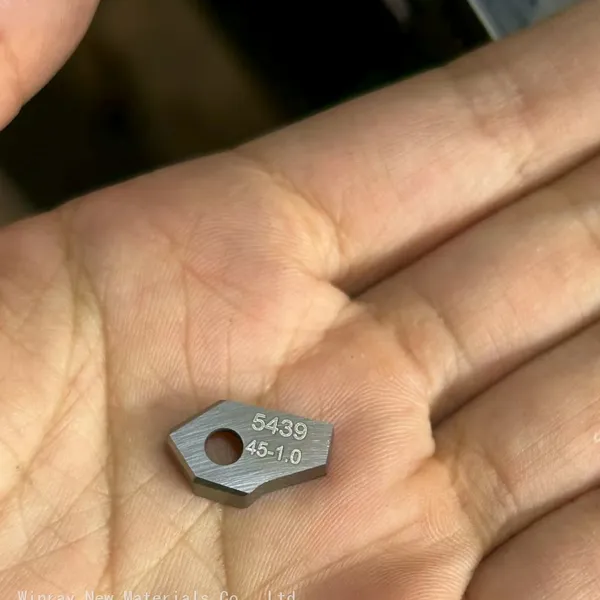
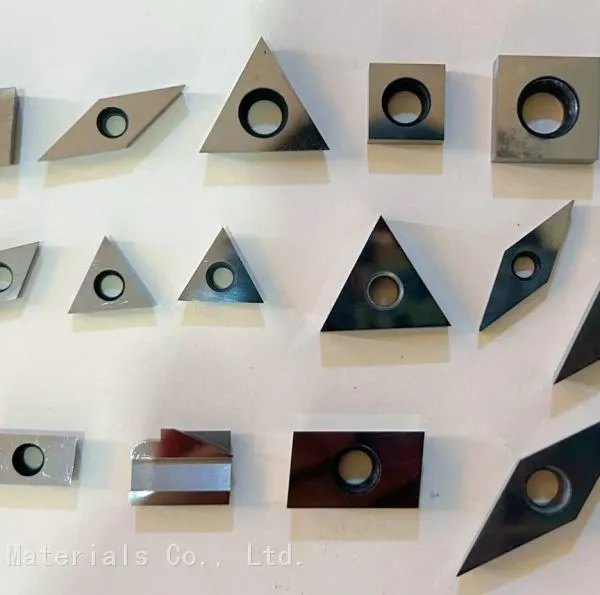
EDM Wire-Cut Carbide Base Strip, 150mm x 20mm x 3mm, 89.5 HRA, Ra 0.6μm, Parallelism 0.01mmUS$ 1.55MOQ: 10 Units
-
Unmounted Carbide Substrate Blank, 305mm x 305mm x 2.0mm, 90.0 HRA, Micro-Grain WC-Co 10% Co CompositionUS$ 1.55MOQ: 10 Units
-
Carbide Substrate With 12-Month Warranty, Mill Test Report Included, 90.0 HRA, CNC Ground, Sizes Tailored to BlueprintUS$ 1.55MOQ: 10 Units
-
Cemented Carbide Substrate WC-Co Grade 6.0% Co, 90.5 HRA Hardness, 10mm x 10mm x 3.2mm Ground Tolerance ±0.05mmUS$ 1.55MOQ: 10 Units
-
Carbide Base Plate for Precision Mold Manufacturing, 5mm Thick, 60 x 60mm, 0.005mm Perpendicularity, Corrosion-Resistant GradeUS$ 1.55MOQ: 10 Units
-
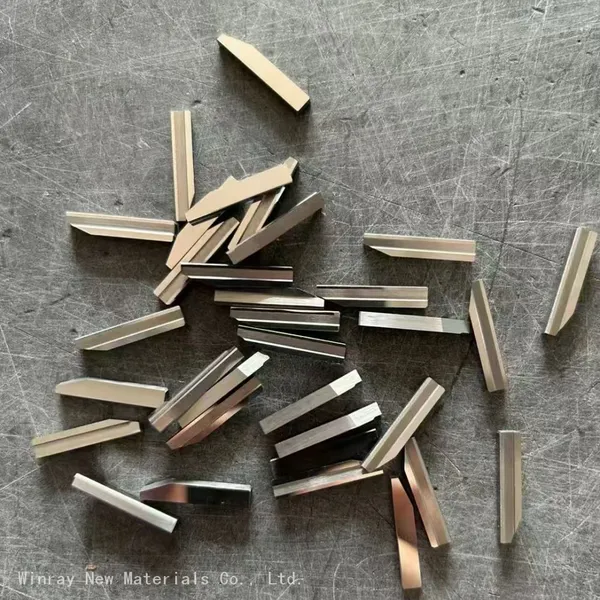
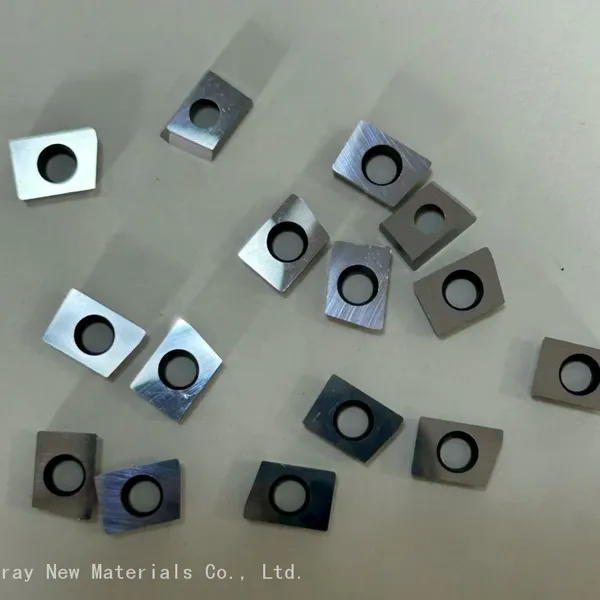
YG8 Grade Carbide Saw Tips 25x5x1.5mm Tungsten Carbide Blade Inserts Hardness 1560HV for Sawmill UseNegotiableMOQ: 10 Kilograms
-
Slot Style Carbide Saw Tips Tungsten Alloy Hardness 90HRA Grind Tolerance ±0.02mm for Auto Sharpening MachinesNegotiableMOQ: 10 Kilograms
-
Mill Test Report Provided Carbide Saw Tips YG8 12-Month Warranty Against Edge Chipping for Wholesale BuyersNegotiableMOQ: 10 Kilograms
-
Carbide Saw Tips for MDF and Plywood Processing YG6X Tungsten Carbide Fine-Grain Grade for Panel Plant Saw BladesNegotiableMOQ: 10 Kilograms
-
Flat Top Carbide Saw Tips 30x8x3mm With 5 Degree Clearance Angle Tungsten Carbide Inserts for Scoring BladesNegotiableMOQ: 10 Kilograms
-
Carbide Saw Tips 12 Degree Clearance Angle WC-Co Density 14.8 G/cm3 Standard Compliant for Hardwood Cutting BladesNegotiableMOQ: 10 Kilograms
-
K20 Tungsten Carbide Saw Tips WC-Co Micro-Grain 0.8μm 1800HV for TCT Circular Saw Blade Re-tippingNegotiableMOQ: 10 Kilograms
-
Carbide Saw Tips With Grinding Technical Support 24-Month Warranty OEM Dimension Customization ServiceNegotiableMOQ: 10 Kilograms
-
Shear Cut Carbide Saw Tips 1.5mm Thickness 88-92HRA Silver Brazing Grade for Industrial Saw Blade ManufactureNegotiableMOQ: 10 Kilograms
-
Sintered Carbide Wear Plates With 2500 MPa Transverse Rupture Strength for Heavy Industrial EquipmentNegotiableMOQ: 1 Piece
-
Carbide Wear Parts for Mining Excavator Bucket Teeth and Crusher Hammer Tips - 350 MPa Impact ToughnessNegotiableMOQ: 1 Piece