
 Business License

The Unseen Edge: Why Cemented Carbide Skiving Knives Rule Modern Metalworking
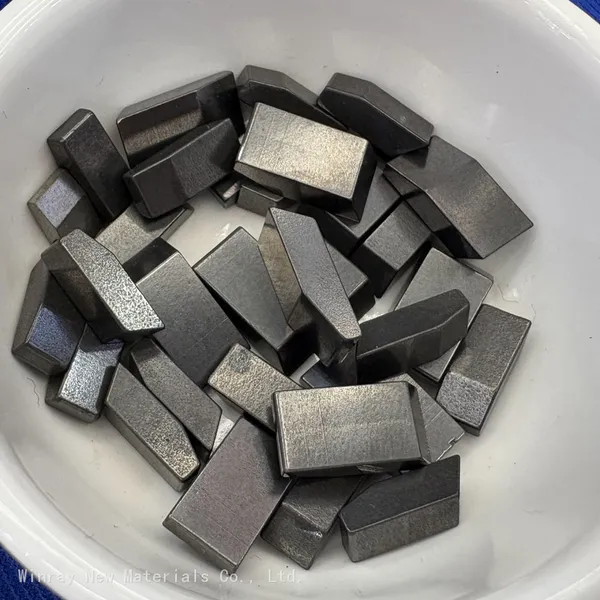
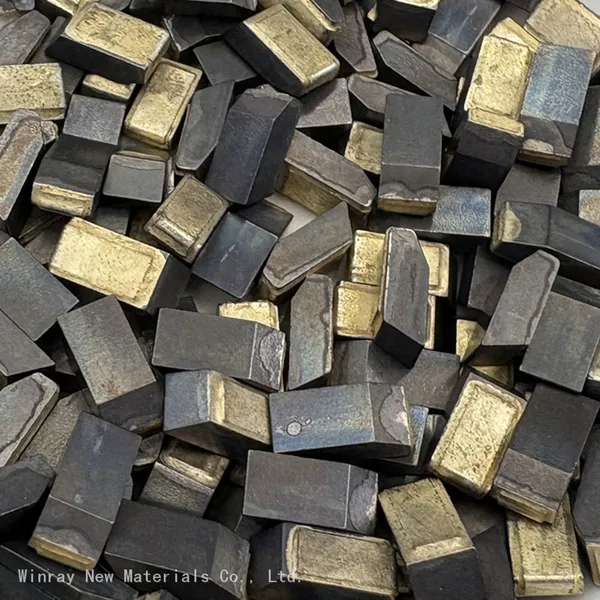
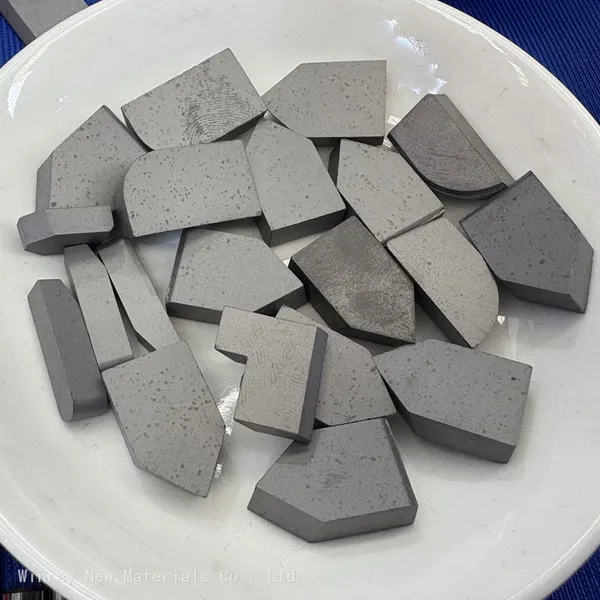
In the vast ecosystem of industrial cutting tools, few are as misunderstood or as quietly indispensable as the cemented carbide skiving knife. Often translated literally from the Chinese (bā pí dāo)—a term that evokes the image of a skinning or peeling blade—this tool is the workhorse behind precision metal removal, heat sink manufacturing, and hydraulic cylinder production. While the name might suggest a crude implement, the reality is a highly engineered piece of tungsten carbide that operates at the extreme edge of material science.
To understand the carbide skiving knife, one must first separate it from its hunting knife namesake. In metalworking, skiving refers to the process of cutting material off in thin slices, rather than shaving it away through conventional turning or milling. This distinction is critical. Unlike a lathe tool that continuously peels a long chip, a skiving tool often acts more like a precision plane, removing a thin dimension of material to exact tolerances or creating deep, thin fins in a single block of metal . The tools required for this task must withstand immense lateral forces and resist the adhesive wear that comes from slicing through metals like copper and aluminum at high speeds.
This is where cemented carbide—tungsten carbide—enters the picture. The defining characteristic of the modern skiving knife is its substrate. As noted in technical references, the tools used in skiving processes are typically made of tungsten carbide-based compounds . The reason is simple physics: carbide offers a unique combination of high hardness and sufficient transverse rupture strength to survive the interrupted cuts and high side loads inherent to skiving. When you are slicing through a solid block of copper to create the fins of a high-performance heat sink, a high-speed steel blade would dull or deform within minutes. Carbide, with its superior wear resistance, maintains the sharp, precision-profiled edge necessary to shear metal cleanly rather than tear it.
The specific grade of carbide chosen for a skiving knife is not arbitrary. In the Chinese manufacturing sector, grades like YG6 and YG8 are frequently specified for these tools . These are straight tungsten carbide grades, typically used for machining cast iron, non-ferrous metals, and non-metallic materials. YG6 offers higher wear resistance and is suited for semi-finishing and finishing passes where dimensional accuracy is paramount. YG8, on the other hand, sacrifices some wear resistance for improved strength and resistance to impact, making it the choice for rougher, low-speed operations where the cutting edge might encounter inclusions or interrupted surfaces . This trade-off between hardness and toughness is the eternal dilemma of carbide metallurgy, and the skiving knife operator must navigate it carefully.
The applications of this tool are surprisingly diverse, though they share a common demand for precision. One of the most visible applications is in the cooling of electronics. Skiving is the preferred method for manufacturing high-performance heat sinks, particularly those made of copper. By skiving a single block of metal, manufacturers create a monolithic structure where the fins and the base are one continuous piece of material. This eliminates the thermal resistance that would exist at a soldered or epoxy-bonded joint. Furthermore, the skiving process can produce fins that are thinner and spaced closer together than what is possible through extrusion or sheet-metal stacking, maximizing surface area for heat dissipation . The carbide knife, in this context, is not just cutting metal; it is enabling the thermal management of the digital world.
Beyond consumer electronics, the skiving knife is critical in the hydraulic and pneumatic cylinder industry. Creating a perfectly round, smooth bore is essential for proper actuation and seal life. A multi-bladed skiving tool is passed through a bored hole, with several knives arranged radially to shave the interior surface to a mirror-like finish. This is often followed by roller burnishing to cold-work the surface, but the initial geometry is set by the carbide knives . Compared to traditional honing, skiving and roller burnishing is significantly faster, making it the economic choice for high-volume cylinder production.
What makes a high-quality skiving knife? Beyond the carbide grade, the geometry is everything. The cutting edge must be honed to a precise radius to prevent chipping while still being sharp enough to shear cleanly. The clearance angles must be exact; too little clearance causes rubbing and heat, while too much weakens the edge . For heat sink skiving specifically, the tool often has a specialized profile that determines the fin thickness and the depth of the cut. If the tool wears or chips, the fin geometry is immediately compromised, leading to inconsistent thermal performance.
Maintenance and selection of these tools reflect their precision nature. Unlike a general-purpose turning insert, a skiving knife is often a custom or semi-custom form tool. Operators must monitor wear closely, as a dull skiving tool does not simply cut poorly—it begins to burnish or work-harden the surface, causing excessive forces that can deflect the delicate fins being created. The transition from cutting to rubbing is the death knell for a skiving operation.
In conclusion, the cemented carbide skiving knife occupies a unique niche. It is not the brute force of a milling cutter nor the delicate touch of a finishing insert. It is a precision peeling tool, reliant on the unique properties of tungsten carbide to shear metal into functional shapes with minimal waste. Whether it is carving the cooling fins of a CPU cooler or smoothing the bore of a hydraulic ram, the humble carbide skiving knife proves that sometimes, the most effective way to shape metal is to slice it, not grind it away. For manufacturers pushing the limits of efficiency and thermal design, this tool remains an unseen but essential edge.
Recently Posted
-
Choosing the Right Cemented Carbide Rod for Your Application
October 30, 2026Cemented carbide round rods look deceptively simple: a dense, grey, cylindrical blank. Yet behind that uniform appearance lies a c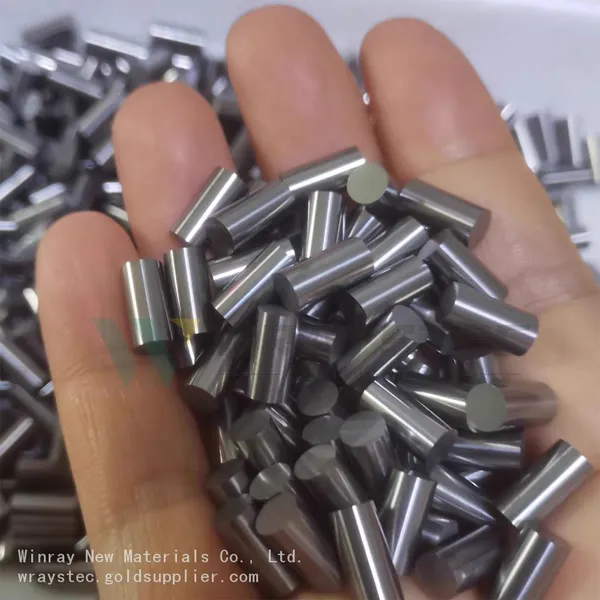 Read More
-
Why "One Piece" Is the Future of Custom Tungsten Carbide Wear Parts
October 30, 2026In the world of industrial manufacturing, the phrase "minimum order quantity" (MOQ) has long been a source of frustratio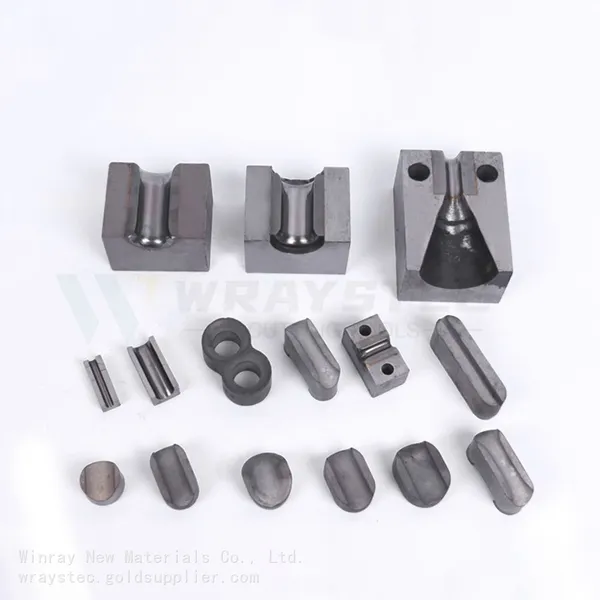 Read More
-
Cemented Carbide Wolf Tooth Rod (YD-Type Hardfacing Rod)
October 30, 2026In the field of industrial wear protection, the "Cemented Carbide Wolf Tooth Rod" does not refer to a physical striking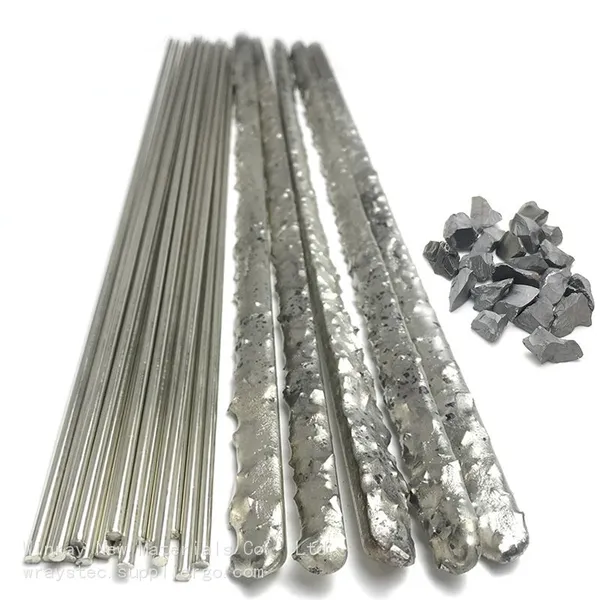 Read More
-
Why "One Piece Minimum" Is the Most Underrated Advantage in Carbide Machining
October 30, 2026If you've ever tried to source custom tungsten carbide components, you've probably run into the same wall: minimum order q Read More

Contact Us
Recommended Products
-
 Precision Ground Carbide Base Plate, 94.0 HRA, 0.4μm Surface Finish, 100mm x 100mm x 5mm for Die ComponentsUS$ 1.55MOQ: 10 Units
-
Tungsten Carbide Substrate Disc, Dia 30mm x 2.5mm, 25MPa Transverse Rupture Strength, Flatness 0.02mmUS$ 1.55MOQ: 10 Units
-
Carbide Substrate for Indexable Cutting Tools, ISO 1832 Compliant, 10mm x 10mm x 4.76mm, 93.0 HRA, Flat Grinding FinishedUS$ 1.55MOQ: 10 Units
-
Supplier-Provided Carbide Base Material With Technical Data Sheet, 94.0 HRA, 0.4μm Ra Finish, 30-Day Replacement for Machining ErrorsUS$ 1.55MOQ: 10 Units
-
EDM Wire-Cut Carbide Base Strip, 150mm x 20mm x 3mm, 89.5 HRA, Ra 0.6μm, Parallelism 0.01mmUS$ 1.55MOQ: 10 Units
-
Unmounted Carbide Substrate Blank, 305mm x 305mm x 2.0mm, 90.0 HRA, Micro-Grain WC-Co 10% Co CompositionUS$ 1.55MOQ: 10 Units
-
Carbide Substrate With 12-Month Warranty, Mill Test Report Included, 90.0 HRA, CNC Ground, Sizes Tailored to BlueprintUS$ 1.55MOQ: 10 Units
-
Cemented Carbide Substrate WC-Co Grade 6.0% Co, 90.5 HRA Hardness, 10mm x 10mm x 3.2mm Ground Tolerance ±0.05mmUS$ 1.55MOQ: 10 Units
-
Carbide Base Plate for Precision Mold Manufacturing, 5mm Thick, 60 x 60mm, 0.005mm Perpendicularity, Corrosion-Resistant GradeUS$ 1.55MOQ: 10 Units
-
YG8 Grade Carbide Saw Tips 25x5x1.5mm Tungsten Carbide Blade Inserts Hardness 1560HV for Sawmill UseNegotiableMOQ: 10 Kilograms
-
Slot Style Carbide Saw Tips Tungsten Alloy Hardness 90HRA Grind Tolerance ±0.02mm for Auto Sharpening MachinesNegotiableMOQ: 10 Kilograms
-
Mill Test Report Provided Carbide Saw Tips YG8 12-Month Warranty Against Edge Chipping for Wholesale BuyersNegotiableMOQ: 10 Kilograms
-
Carbide Saw Tips for MDF and Plywood Processing YG6X Tungsten Carbide Fine-Grain Grade for Panel Plant Saw BladesNegotiableMOQ: 10 Kilograms
-
Flat Top Carbide Saw Tips 30x8x3mm With 5 Degree Clearance Angle Tungsten Carbide Inserts for Scoring BladesNegotiableMOQ: 10 Kilograms
-
Carbide Saw Tips 12 Degree Clearance Angle WC-Co Density 14.8 G/cm3 Standard Compliant for Hardwood Cutting BladesNegotiableMOQ: 10 Kilograms
-
K20 Tungsten Carbide Saw Tips WC-Co Micro-Grain 0.8μm 1800HV for TCT Circular Saw Blade Re-tippingNegotiableMOQ: 10 Kilograms
-
Carbide Saw Tips With Grinding Technical Support 24-Month Warranty OEM Dimension Customization ServiceNegotiableMOQ: 10 Kilograms
-
Shear Cut Carbide Saw Tips 1.5mm Thickness 88-92HRA Silver Brazing Grade for Industrial Saw Blade ManufactureNegotiableMOQ: 10 Kilograms
-
Sintered Carbide Wear Plates With 2500 MPa Transverse Rupture Strength for Heavy Industrial EquipmentNegotiableMOQ: 1 Piece
-
Carbide Wear Parts for Mining Excavator Bucket Teeth and Crusher Hammer Tips - 350 MPa Impact ToughnessNegotiableMOQ: 1 Piece